
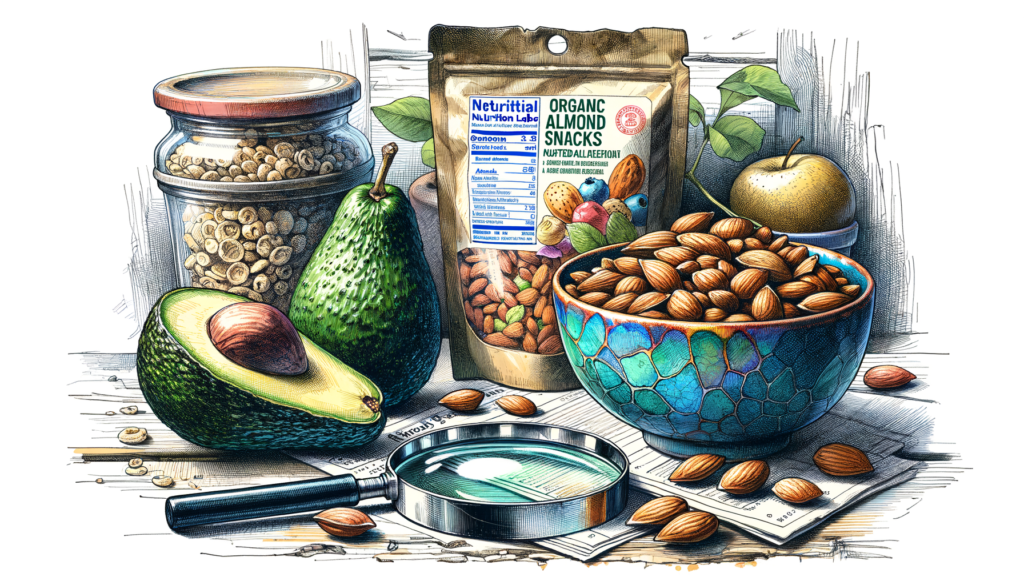
Ever found yourself squinting at the nutrition label of your favorite snack, wondering if it’s as healthy as it seems? Understanding these labels is crucial for making informed dietary choices, and with a few insider tips, you can learn to read them like a dietitian.
3 min read
In This Article
Why Nutrition Labels Matter
Nutrition labels offer a wealth of information about the food you eat. They help you manage dietary concerns, compare similar products, and adhere to specific nutritional guidelines. For instance, if you’re watching your sodium intake, these labels reveal the salt content per serving.
Breaking Down the Basics
The first step to mastering nutrition labels is understanding their layout. Here are the key components you’ll find on most labels:
- Serving Size: This indicates the portion size on which the nutritional information is based. It’s pivotal for calculating how the serving size aligns with your consumption.
- Calories: Total energy intake from the food, crucial for those managing weight.
- Macronutrients: Information on fats, carbohydrates, and proteins is essential for balancing your diet.
- Micronutrients: Details about vitamins and minerals help ensure you’re meeting daily recommended intakes.
- Ingredients List: Listing foods in descending order by weight, it reveals the primary components of your meal.
Shop Related Products
Handpicked items you might love

Decoding Macronutrients and Micronutrients
Understanding the breakdown of macronutrients—fats, proteins, and carbohydrates—is essential. Here’s how you can interpret them:
Fats: Distinguish between healthy fats (like those found in avocados and nuts) and saturated fats. Recognize trans fats, often hidden in processed foods.
Proteins: Essential for muscle building and repair, their daily intake varies depending on activity levels and dietary needs.
Carbohydrates: Look beyond the total carbs number. Pay attention to sugars (added vs. natural) and fiber content, the latter supporting digestive health.
Pro Tip: Did you know most people consume more sugar than they realize? Check if sugars are naturally occurring (like in fruit) or added, to maintain a balanced diet.
Interpreting Daily Values
The % Daily Value (%DV) helps you gauge how a serving of the product fits into your total daily diet. Note that these values are based on a 2,000-calorie diet, and your needs may vary.
– Aim for higher %DV of vitamins, minerals, and fiber.
– Try to consume lower %DV of saturated fat, sodium, and added sugars.
Hidden Ingredients to Watch For
Ingredients lists can be misleading. Watch for:
– Hidden sugars, often labeled under various names like sucrose, corn syrup, or agave nectar.
– Artificial ingredients and preservatives, which are best consumed in moderation.
– Sodium compounds listed in multiple forms, increasing overall sodium content.
By closely examining these components, you can make healthier grocery choices that align with your diet goals.
You Might Also Like
Ready to put this knowledge into practice? Browse our selection of nutritious foods, complete with detailed nutrition labels, to start making smarter choices today!
Written by Editorial Team
Our editorial team is dedicated to bringing you the latest insights, tips, and product recommendations.
Advertisement