
Ever wondered if buying organic is really worth the extra dollars? According to a recent USDA report, organic produce can be up to 47% more expensive than conventional options. But what does the research say about the benefits of spending more on organic? We delve into the data and help you decide if it’s a healthy habit worth the price tag.
3 min read
In This Article
- ☑ Reduced pesticide exposure
- ☑ Potentially higher nutrient levels
- ☑ Environmental benefits
- ☑ Ethical farming practices
Is Organic Produce Really Healthier?
Organic produce tends to be free from synthetic pesticides and fertilizers. A 2021 study from the British Journal of Nutrition found that organic crops contain higher antioxidant levels compared to their conventional counterparts. These compounds are essential for minimizing oxidative stress in the body.
Pesticide residue is also significantly lower in organic food. The European Parliament’s independent research concluded that going organic reduces the risk of exposure to pesticide residues in food. So, in the debate of conventional vs organic, the health factor leans towards organic produce.
Did You Know? The Environmental Working Group (EWG) states that consuming a conventional apple a day exposes consumers to more than four pesticides.
What Are the Environmental Benefits?
One of the strongest arguments for organic farming is its environmental impact. Organic agriculture practices, such as crop rotation and the use of natural fertilizers, have a smaller carbon footprint and are kinder to soil and water systems. The Rodale Institute’s 40-year trial on organic vs conventional farming suggests that organic farming uses 45% less energy and releases 40% fewer carbon emissions.
This aligns with national goals to reduce agriculture’s climate impacts. By choosing organic, you’re supporting more eco-friendly practices.
Does Organic Taste Better?
Taste is subjective, but many foodies claim that organic produce has a richer, fuller flavor. The Slow Food Movement emphasizes that organically grown fruits and vegetables tend to maintain natural flavors, partly because they are often harvested closer to peak ripeness.
If taste enhancement is a priority for you, it might justify the higher organic price.
Handpicked items you might love

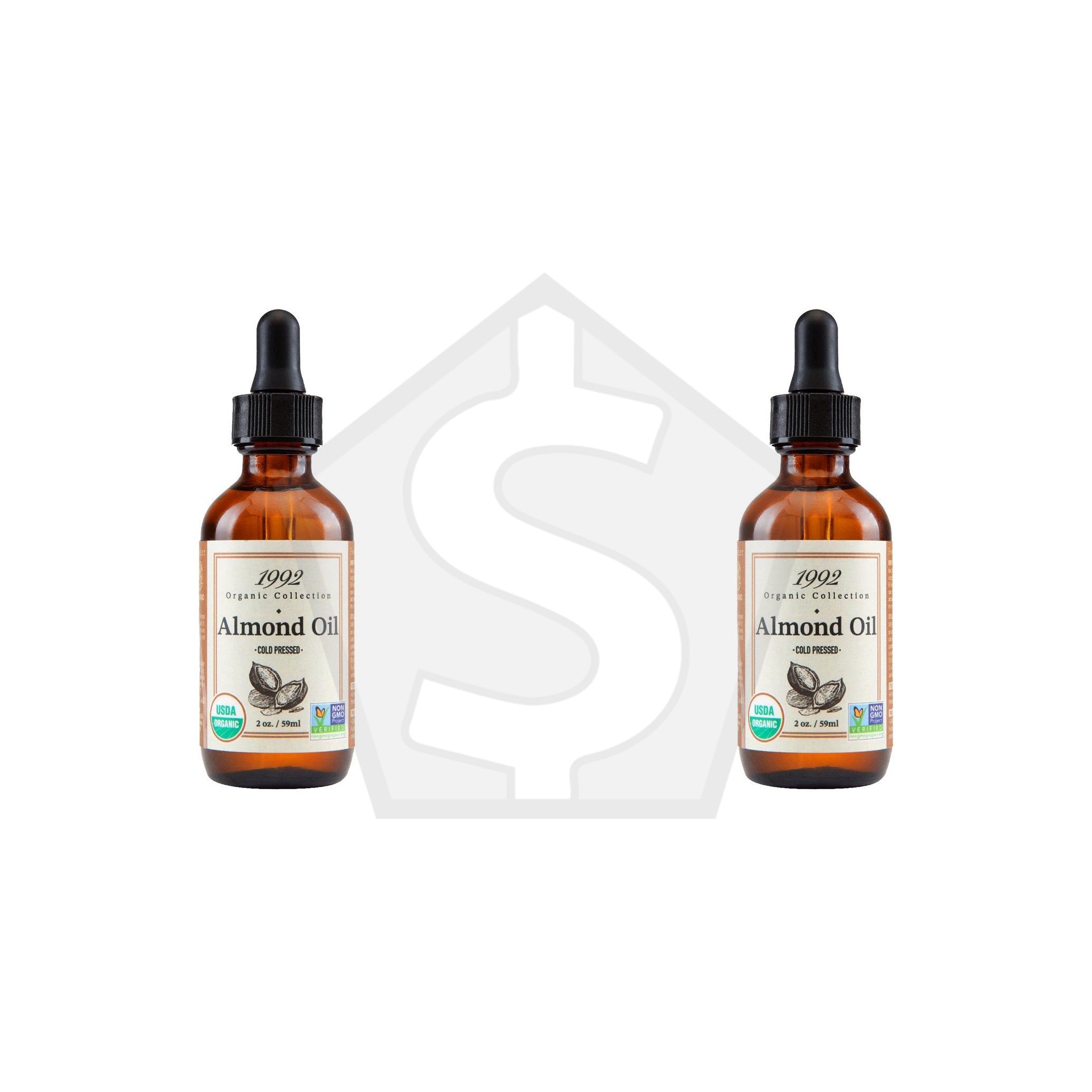
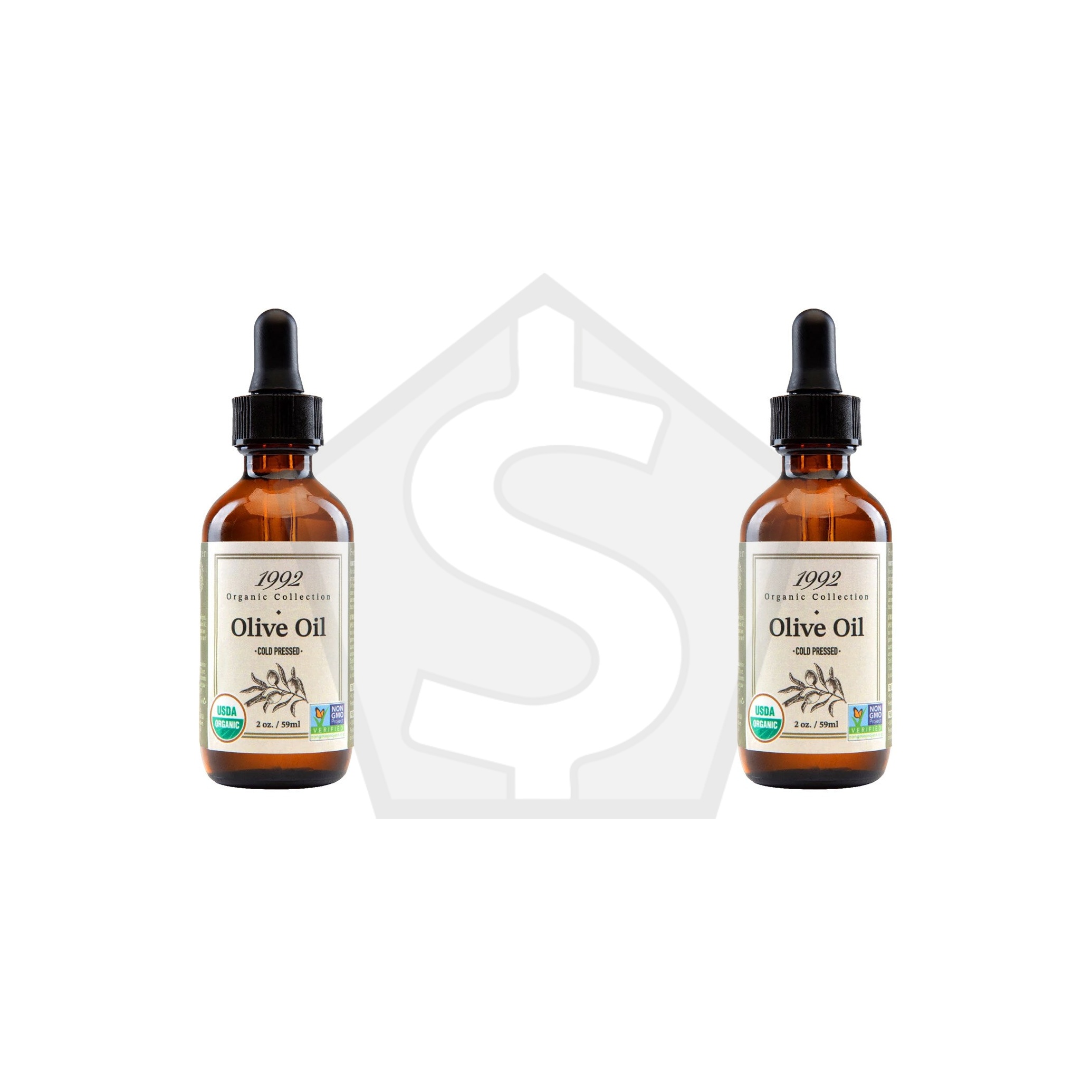

Who Should Definitely Choose Organic?
While everyone can benefit from organic produce, certain groups should prioritize organic more than others. Pregnant women, young children, and those with compromised immune systems are more sensitive to pesticides’ potential risks. Hence, organic options might be preferable.
Step 1: Know Your Priorities
Evaluate your health needs and environmental concerns to see if organic aligns with your lifestyle.
How to Save Money on Organic Produce?
While organic produce might seem pricey, there are multiple ways to make it more affordable. Start by shopping at local farmers’ markets where prices can be lower due to lower transport costs. Joining a co-op or buying seasonal produce can also yield savings.
Step 2: Shop Smart
Consider subscribing to a local organic produce delivery service to take advantage of discounts and memberships.
Can You Buy Organic On a Budget?
Absolutely! Beyond strategic shopping, focusing on high-risk pesticide foods like strawberries or spinach could be a tactical choice for buyers with limited budgets. The EWG offers a yearly “Dirty Dozen” list to guide which produce carries the highest pesticide burdens.
Conclusion
Choosing organic produce boils down to more than just health considerations. If environmental sustainability and supporting ethical farming resonate with you, the extra cost might indeed feel worth it. Have you tried both types? Share your experience in the comments below.
You Might Also Like
For more insightful articles, explore our upcoming blog posts and shop from our varied range of organic and conventional produce available on our website.
Written by Editorial Team
Our editorial team is dedicated to bringing you the latest insights, tips, and product recommendations.
Advertisement