
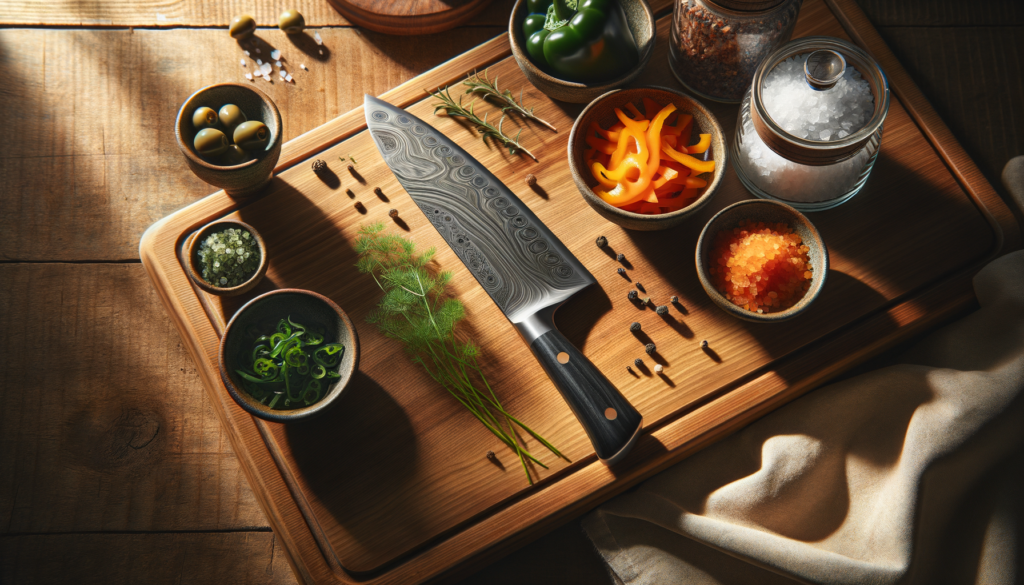
Best Cooking Basics Every Beginner Should Master
Did you know that according to a 2023 survey, over 70% of home cooks struggle with basic cooking techniques? Whether it’s burning toast or undercooking pasta, getting a grip on the essentials can save you time, money, and a lot of frustration. If you’re a beginner in the kitchen, mastering these fundamentals will set you on a path to culinary success.
4 min read
In This Article
What Are the Essential Cooking Techniques for Beginners?
The first steps in any cooking journey are foundational skills that make everything else easier. Focus on these key techniques:
- Knife skills – chopping, dicing, slicing
- Cooking eggs perfectly (boiled, scrambled, poached)
- Proper seasoning
- Cooking pasta to al dente
- Basic sautéing and stir-frying
Getting comfortable with a chef’s knife is a game-changer. Not only does it make meal prep faster, but it also improves safety by using the right tools and techniques. And did you know mastering egg cooking techniques is the hallmark of any great chef? These skills form the backbone of many dishes, making them worth the effort to learn.
How Do You Improve Basic Knife Skills?
Which Knife Should You Use?
| Feature | Chef’s Knife | Santoku Knife |
|---|---|---|
| Blade Length | 8–10 inches | 7 inches |
| Weight | Heavier | Lighter |
| Best For | General use | Precision cuts |
| Verdict | Start with the one that feels best in your hand. | |
Knife handling starts with selecting the right knife. Most tasks can be managed with a good-quality chef’s knife or Santoku. Practice holding the knife correctly: grip the handle with your dominant hand and pinch the blade with your thumb and forefinger just above the handle.
Practicing Cuts
Begin with fundamental cuts like julienne and dice. A simple tip for beginners: practice cutting a potato into different shapes. This exercise hones precision and confidence.
Did You Know? A dull knife is more dangerous than a sharp one because it requires more force to cut, increasing the chance of slipping.
Handpicked items you might love

How to Cook Eggs Perfectly?
Perfectly cooked eggs are the cornerstone of a good breakfast and countless recipes. Here’s a quick guide:
- Boiled Eggs: Start eggs in cold water, bring to a boil, then simmer for 9-12 minutes depending on yolk preference.
- Scrambled Eggs: Whisk eggs with a bit of milk or cream for fluffier results, and cook gently on low heat.
- Poached Eggs: Add a tablespoon of vinegar to simmering water for firm whites, create a whirlpool, and cook the egg for about 3 minutes.
Each technique emphasizes temperature control, turning eggs into versatile stars for any meal.
What Is Proper Seasoning?
Seasoning isn’t just about salt and pepper. To elevate your dishes:
Season As You Go
Taste and adjust flavors at each stage of cooking. This ensures balanced taste and enhanced flavors.
Explore Herbs and Spices
Experiment with different herbs and spices. Fresh herbs add bright flavors, while dried spices provide depth. Don’t hesitate to try combinations that complement the dish, like basil with tomatoes or cumin with lentils.
How to Cook Pasta Like a Pro?
For pasta enthusiasts, cooking it to al dente is crucial. This means “to the tooth,” indicating a firm texture that provides the best mouthfeel. Here’s how:
- Use plenty of water; the pasta needs room to move.
- Add salt once the water boils to enhance the pasta’s natural flavor.
- Stir occasionally to prevent sticking.
- Taste at the earlier end of the package’s time range; pasta should resist slightly when bitten.
– Long, like spaghetti
– Short, like penne
– Filled, like ravioli
How to Master Basic Sautéing and Stir-Frying?
Sauté and stir-fry techniques are quick and healthy cooking methods that involve cooking small pieces of food in a bit of oil over high heat.
Tips for Perfect Sautéing
- Ensure ingredients are uniform in size for even cooking.
- Use fats with high smoke points, like canola oil, to prevent burning.
- Don’t overload the pan to prevent steaming instead of browning.
Stir-Fry Essentials
Unlike sautéing, stir-frying involves constant movement of ingredients. Prepare everything before heating the pan. This quick-cooking technique locks in nutrients and flavors.
By mastering these basic skills, beginners can gain confidence and enjoyment in cooking, transforming simple ingredients into delightful meals. Curious to learn more? Explore our range of kitchen tools and recipes that make these techniques even more enjoyable!
You Might Also Like
What’s your kitchen style? Tell us about your cooking wins or challenges in the comments below!
Written by Editorial Team
Our editorial team is dedicated to bringing you the latest insights, tips, and product recommendations.
Advertisement