
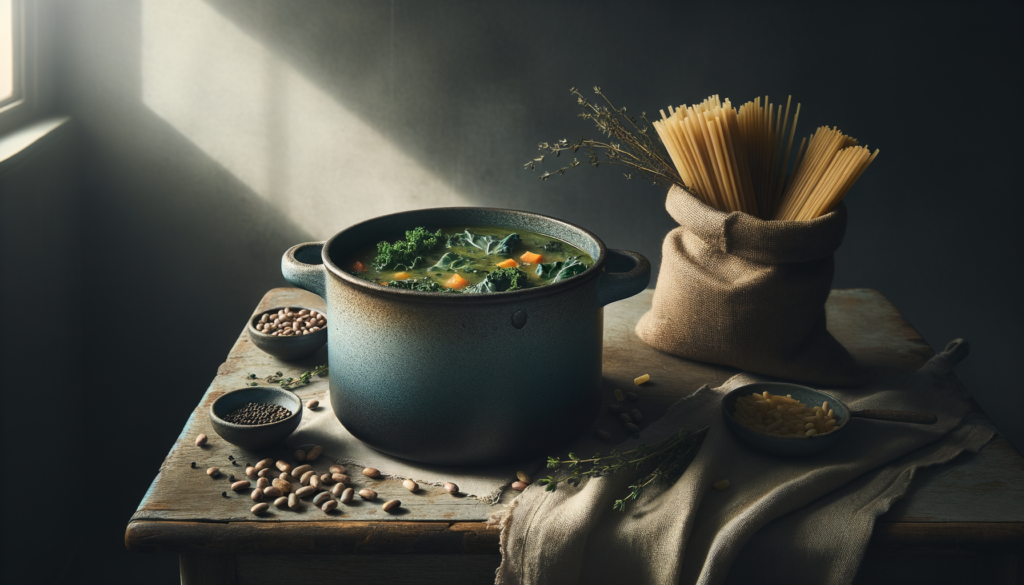
Did you know that the average American household throws away $1,500 worth of food annually, while simultaneously spending hundreds more on takeout during cold winter months? Here’s the game-changer: your pantry is already stocked with everything needed to create restaurant-quality winter soups that’ll warm your soul and stretch your grocery budget.
8 min read
In This Article
- Why Winter Soup Recipes Using Pantry Staples Are Your Secret Weapon
- Essential Pantry Ingredients for Hearty Winter Soups
- The 5-Ingredient Formula for Perfect Pantry Soups
- Top 6 Game-Changing Winter Soup Recipes from Your Pantry
- How Long Do Pantry Ingredients Last for Soup Making?
- Can You Make Restaurant-Quality Soup from Pantry Items?
- Meal Planning with Pantry Soup Recipes
- Storage and Batch Cooking Tips for Winter Soups
Creating hearty winter soup recipes using pantry staples isn’t just about convenience—it’s about transforming everyday ingredients into nourishing meals that combat seasonal blues and boost immunity when you need it most. These aren’t your grandmother’s watery vegetable broths; we’re talking about rich, satisfying soups that rival any bistro creation.
The secret lies in understanding how common pantry ingredients work together to build layers of flavor and create that stick-to-your-ribs satisfaction that makes winter cooking so rewarding. Let’s dive into the art of pantry soup mastery.
Why Winter Soup Recipes Using Pantry Staples Are Your Secret Weapon
Winter soup season runs from November through March, coinciding perfectly with when fresh produce prices peak and outdoor dining becomes less appealing. Smart home cooks know that this is when pantry ingredients truly shine, offering consistent flavor profiles and extended shelf life that fresh ingredients simply can’t match.
According to culinary nutrition experts, soup consumption increases by 127% during winter months, with families seeking both comfort and nutrition during shorter, colder days. The beauty of pantry-based soups lies in their flexibility—you’re never one missing ingredient away from a satisfying meal.
These recipes also offer significant cost savings. A homemade pantry soup averages $2.50 per serving compared to $8-12 for restaurant equivalents, while providing superior nutrition density and customization options.
Essential Pantry Ingredients for Hearty Winter Soups
Building a soup-ready pantry requires strategic selection of ingredients that serve multiple purposes and complement each other across various recipes. The key is choosing items with long shelf lives and maximum flavor impact.
Protein-Rich Foundation Ingredients
Dried legumes form the backbone of satisfying winter soups. Lentils, chickpeas, black beans, and split peas each offer distinct textures and nutritional profiles while requiring no pre-soaking for most recipes. Canned versions work equally well when time is short.
Canned salmon, tuna, and chicken provide instant protein boosts, while nuts and seeds add both protein and healthy fats. Tahini, peanut butter, and other nut butters can transform simple broths into rich, restaurant-style creations.
Flavor-Building Aromatics and Spices
Your spice cabinet becomes a flavor laboratory during soup season. Essential aromatics include:
- Garlic powder and onion powder – More concentrated than fresh, never spoil
- Smoked paprika – Adds depth without actual smoking
- Cumin and coriander – Create warmth and earthiness
- Bay leaves – Essential for long-simmered flavor development
- Red pepper flakes – Adjustable heat that builds throughout cooking
- Dried herbs (thyme, oregano, rosemary) – More potent than fresh in long-cooking applications
Handpicked items you might love



The 5-Ingredient Formula for Perfect Pantry Soups
Every exceptional winter soup follows a simple formula that maximizes flavor while minimizing complexity. This isn’t about limiting creativity—it’s about understanding the fundamental building blocks that create satisfaction.
The formula consists of: Base + Protein + Vegetable + Seasoning + Fat. This combination ensures balanced nutrition, compelling texture contrast, and layered flavor development that keeps each spoonful interesting.
Building Your Base
Canned tomatoes, coconut milk, and boxed broth serve as primary bases, but don’t overlook unconventional options. Tahini mixed with water creates a creamy, protein-rich base perfect for Middle Eastern-inspired soups. Peanut butter and vegetable broth combine for African-influenced stews.
The key is understanding how different bases interact with other ingredients. Tomato-based soups pair beautifully with beans and Italian seasonings, while coconut milk bases complement curry spices and root vegetables.
Top 6 Game-Changing Winter Soup Recipes from Your Pantry
These recipes prove that extraordinary flavor doesn’t require exotic ingredients or complicated techniques. Each recipe serves 4-6 people and can be prepared in under 45 minutes using only pantry staples.
Smoky Black Bean and Sweet Potato Soup
This protein-packed soup combines canned black beans, sweet potato (or butternut squash if available), diced tomatoes, smoked paprika, and cumin. The magic happens when you partially blend the soup, creating a creamy base while maintaining textural interest from whole beans and vegetable chunks.
Start by sautéing onion powder and garlic powder in olive oil, then add cubed sweet potato and cook until slightly softened. Add remaining ingredients and simmer for 25 minutes. The result rivals any restaurant version at a fraction of the cost.
Coconut Red Lentil Curry Soup
Red lentils cook faster than any other legume, making this soup ideal for weeknight dinners. Combine red lentils, coconut milk, curry powder, ginger powder, and diced tomatoes for a restaurant-quality meal in 20 minutes.
The secret is blooming your spices in oil before adding liquid ingredients. This technique, called tempering, releases essential oils and creates deeper flavor complexity than simply stirring spices into the finished soup.
❌ Common Pantry Soup Mistakes
- Adding all ingredients at once without layering flavors
- Under-seasoning because “healthy should taste bland”
- Skipping the fat component (oil, nuts, coconut milk)
- Not allowing enough simmering time for flavor development
- Using only one texture throughout the soup
✅ Pro Pantry Soup Techniques
- Build flavors in layers, starting with aromatics
- Season generously and adjust throughout cooking
- Include healthy fats for satisfaction and nutrient absorption
- Simmer at least 20 minutes for ingredient integration
- Combine smooth and chunky elements for interest
How Long Do Pantry Ingredients Last for Soup Making?
Understanding ingredient longevity helps you maintain a soup-ready pantry without waste. Proper storage extends shelf life significantly and ensures optimal flavor when you’re ready to cook.
Dried legumes last indefinitely when stored in airtight containers, though they’re best used within 2-3 years for optimal cooking time and texture. Whole spices maintain potency for 3-4 years, while ground spices should be replaced every 1-2 years.
Canned goods remain safe indefinitely but are best used within 2-5 years for peak quality. The key is rotating stock and storing items in cool, dry locations away from direct sunlight.
- Dried beans and lentils: 10+ years when properly stored
- Whole spices: 3-4 years in airtight containers
- Ground spices: 1-2 years maximum for best flavor
- Canned tomatoes: 2-5 years past expiration date
- Coconut milk: 2-3 years unopened
- Nut butters: 2-3 years unopened, 3-5 months after opening
Can You Make Restaurant-Quality Soup from Pantry Items?
Absolutely, and often with superior results than restaurant versions. Professional kitchens rely heavily on pantry staples for consistency and cost control, using techniques you can easily replicate at home.
The secret lies in understanding flavor layering and texture contrast. Restaurants create “wow factor” through technique, not expensive ingredients. Blooming spices, partial pureeing, and strategic seasoning timing transform simple ingredients into memorable meals.
Restaurant soups also benefit from longer cooking times and larger batch sizes, both easily achievable at home. Your pantry soup can surpass restaurant quality because you control every ingredient and can adjust seasoning to your exact preferences.
Professional Techniques for Home Cooks
Temperature control makes the difference between good and exceptional soup. Maintain a gentle simmer rather than a rolling boil to prevent ingredient breakdown and ensure even cooking. This technique, called “low and slow,” allows flavors to meld without compromising texture.
Deglazing your pot with a splash of liquid after sautéing aromatics captures fond (browned bits) that adds tremendous depth. Even water works for this technique, though wine or broth provides additional flavor complexity.
Meal Planning with Pantry Soup Recipes
Strategic meal planning transforms soup cooking from reactive to proactive, ensuring you always have satisfying options ready. The key is building menus around overlapping ingredients that serve multiple recipes.
Plan three different soup bases weekly: tomato-based, broth-based, and cream/coconut-based. This variety prevents menu monotony while utilizing pantry staples efficiently. Each base accommodates different protein and vegetable combinations.
🌟 Save This! Ultimate Pantry Soup Shopping List
Print this list and keep it handy for grocery runs:
Bases: Canned tomatoes (whole and diced), coconut milk, vegetable/chicken broth, tahini
Proteins: Red lentils, black beans, chickpeas, canned salmon
Seasonings: Smoked paprika, cumin, curry powder, garlic powder, bay leaves
Extras: Olive oil, onion powder, red pepper flakes, dried herbs
Storage and Batch Cooking Tips for Winter Soups
Batch cooking maximizes both time efficiency and flavor development. Most pantry soups improve after 24 hours as ingredients continue melding, making them perfect for meal prep strategies.
Proper storage extends soup life to 4-5 days refrigerated or 3-4 months frozen. Cool soups completely before refrigerating to prevent bacterial growth and maintain food safety. Divide large batches into meal-sized portions for easy reheating.
Freezer-friendly soups avoid dairy and high-water vegetables that become mushy when thawed. Bean-based and tomato-based soups freeze exceptionally well, while coconut milk soups may separate but can be whisked back together during reheating.
Reheating for Best Results
Gentle reheating preserves texture and prevents overcooking. Add liquid if needed during reheating—soups naturally thicken during storage as ingredients continue absorbing liquid. A splash of broth or water restores original consistency.
Taste and re-season after reheating. Flavors mellow during storage, and a final seasoning adjustment ensures each bowl tastes fresh and vibrant.
You Might Also Like
Transform your winter cooking with these pantry-powered soup recipes that prove comfort food doesn’t require complicated ingredients or techniques. Your kitchen cabinets hold the keys to satisfying, nutritious meals that’ll carry you through the coldest months with warmth and satisfaction. Try one recipe this week and discover how pantry staples can become your winter cooking superpower—then share your favorite combination in the comments below!
Written by Editorial Team
Our editorial team is dedicated to bringing you the latest insights, tips, and product recommendations.
Advertisement