
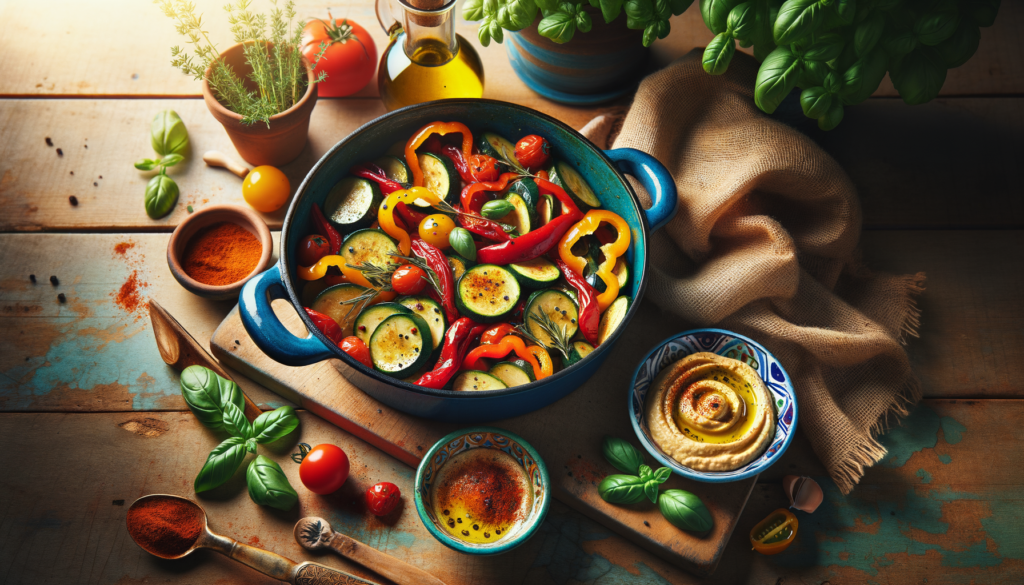
The Mediterranean diet consistently ranks as one of the world’s healthiest eating patterns, backed by decades of research showing its benefits for heart health, brain function, and longevity. But knowing where to start can feel overwhelming when you’re staring at your current pantry full of processed foods.
6 min read
In This Article
Don’t worry – transitioning to this lifestyle doesn’t require a complete kitchen overhaul overnight. This comprehensive 4-week plan will guide you through a gradual, sustainable approach to embracing Mediterranean eating, complete with shopping lists, meal ideas, and practical tips for long-term success.
Understanding the Mediterranean Diet Foundation
Before diving into our week-by-week plan, it’s crucial to understand what makes the Mediterranean diet so special. This isn’t just another restrictive eating plan – it’s a lifestyle approach based on the traditional dietary patterns of countries bordering the Mediterranean Sea, including Greece, Italy, Spain, and southern France.
The Mediterranean diet emphasizes:
- Abundant vegetables and fruits: Aim for 7-10 servings daily
- Whole grains: Choose minimally processed options like quinoa, brown rice, and whole wheat
- Healthy fats: Primarily from olive oil, nuts, and fatty fish
- Lean proteins: Fish, seafood, poultry, legumes, and moderate amounts of dairy
- Limited red meat: Consumed only a few times per month
- Minimal processed foods: Focus on whole, natural ingredients
💡 Pro Tip: Start Small, Think Big
Research shows that people who make gradual dietary changes are 3x more likely to stick with them long-term compared to those who attempt dramatic overnight transformations. Our 4-week approach sets you up for lasting success.
Week 1: Building Your Mediterranean Pantry
Your first week focuses on stocking up on Mediterranean staples and making simple swaps to existing meals. This foundation week sets you up for success without overwhelming your routine.
Week 1 Shopping List Essentials:
Healthy Fats & Oils:
- Extra virgin olive oil (choose cold-pressed for maximum benefits)
- Raw almonds, walnuts, and pistachios
- Avocados
- Tahini or sesame seeds
Pantry Staples:
- Canned chickpeas, lentils, and white beans
- Whole grain pasta and brown rice
- Canned diced tomatoes (no added sugar)
- Dried herbs: oregano, basil, thyme
- Lemons and garlic
Fresh Produce:
- Spinach, arugula, or mixed greens
- Tomatoes, cucumbers, and bell peppers
- Onions and fresh herbs (parsley, basil)
Week 1 Simple Swaps:
Replace butter with olive oil for cooking and drizzling. Swap your usual snacks for a handful of nuts or Greek yogurt with berries. Add extra vegetables to every meal – toss spinach into pasta dishes, add cucumber to sandwiches, or snack on bell pepper strips with hummus.
🎯 Week 1 Challenge
Track your vegetable intake for one week. Aim to include vegetables in every meal and snack. Use your phone’s notes app or a simple notebook to jot down each serving.
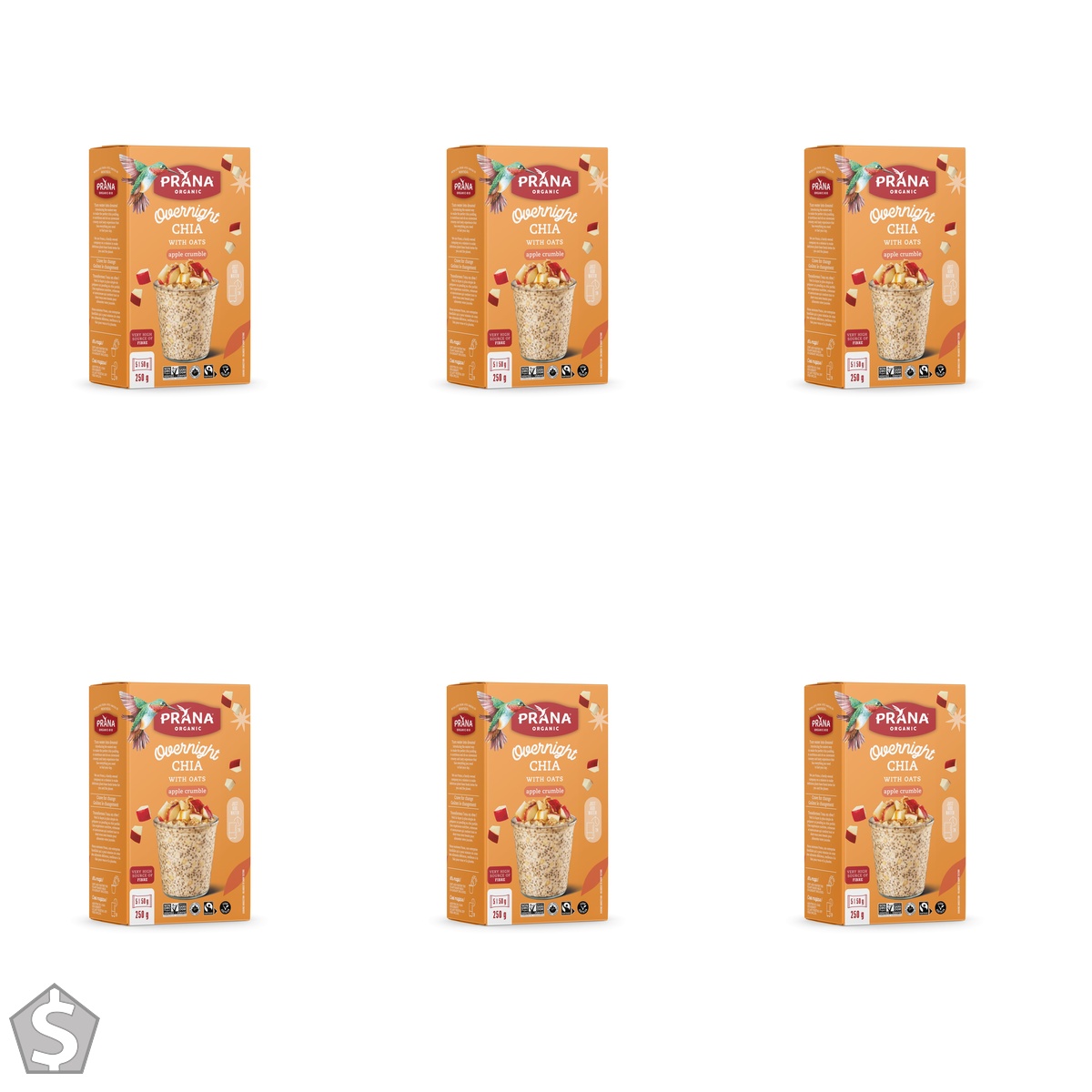
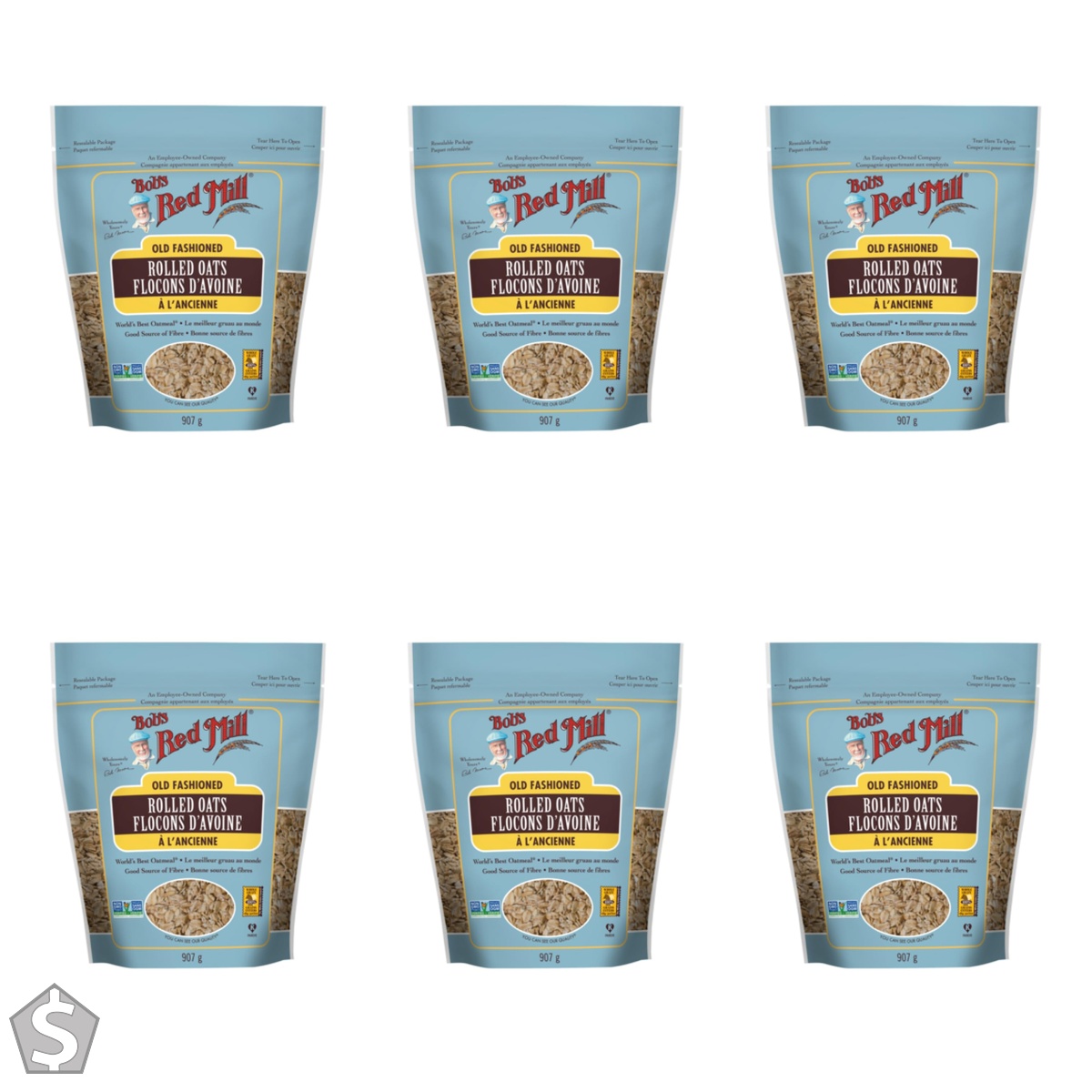
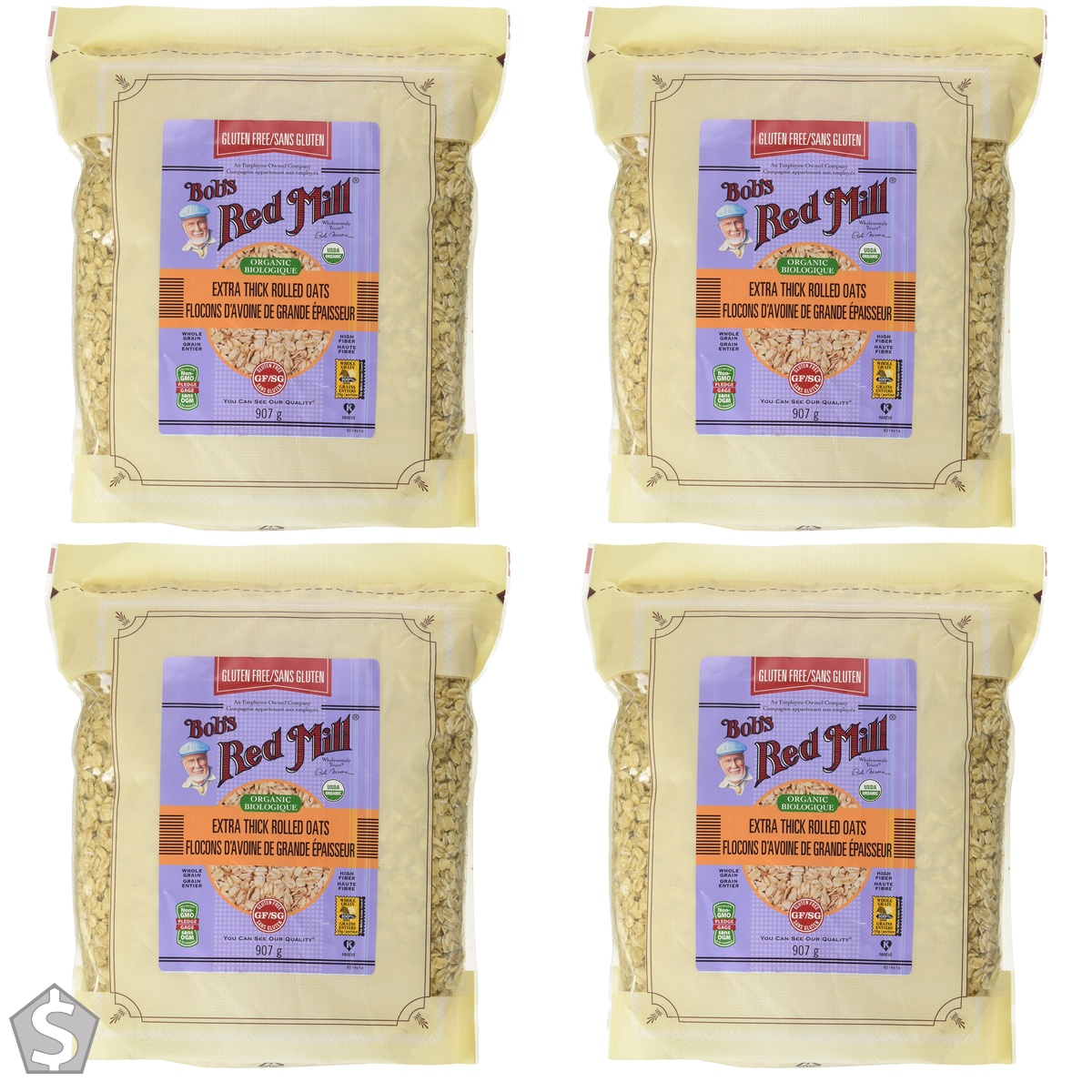
Handpicked items you might love
Week 2: Mastering Mediterranean Meals
Now that your pantry is stocked, week 2 focuses on creating satisfying Mediterranean-style meals. You’ll learn to build balanced plates and discover how delicious healthy eating can be.
The Mediterranean Plate Formula:
Think of your plate in thirds: one-third vegetables, one-third whole grains or starchy vegetables, and one-third lean protein. Drizzle everything with olive oil and add a sprinkle of herbs or a squeeze of lemon.
Breakfast Ideas:
- Greek yogurt topped with walnuts, berries, and a drizzle of honey
- Whole grain toast with avocado, tomato, and a sprinkle of feta cheese
- Vegetable omelet cooked in olive oil with fresh herbs
Lunch & Dinner Templates:
- Power Bowls: Quinoa + roasted vegetables + chickpeas + olive oil lemon dressing
- Simple Pasta: Whole wheat pasta + sautéed vegetables + olive oil + herbs + parmesan
- Fish Dishes: Baked salmon + roasted Mediterranean vegetables + brown rice
🥗 Meal Prep Magic
Spend 30 minutes on Sunday preparing: washed and chopped vegetables, cooked grains, and a big batch of olive oil-lemon dressing. These components make assembling Mediterranean meals throughout the week incredibly quick and easy.
Week 3: Embracing Fish and Seafood
Week 3 introduces the starring protein of the Mediterranean diet: fish and seafood. If you’re not used to cooking fish, don’t worry – we’ll start with simple, foolproof methods that deliver restaurant-quality results at home.
Fish Selection Guide:
Best choices for beginners:
- Salmon: Rich in omega-3s, hard to overcook, versatile
- White fish (cod, halibut): Mild flavor, flaky texture
- Canned options: Wild-caught salmon, sardines, anchovies
Simple Cooking Methods:
Baked Fish: Preheat oven to 400°F. Place fish on parchment paper, drizzle with olive oil, lemon juice, salt, pepper, and herbs. Bake 12-15 minutes until fish flakes easily.
Pan-Seared: Heat olive oil in a skillet over medium-high heat. Season fish and cook 3-4 minutes per side until golden and cooked through.
Week 3 Seafood Meals:
- Mediterranean baked salmon with roasted vegetables
- Tuna and white bean salad with olive oil dressing
- Sardines on whole grain toast with tomato and arugula
- Shrimp and vegetable pasta with olive oil and garlic
Aim for 2-3 fish meals this week, replacing some of your usual chicken or meat dishes. Remember, canned fish counts too – sardines and wild salmon are nutritional powerhouses that require zero cooking skills.
Week 4: Creating Your Personal Mediterranean Lifestyle
Your final week focuses on fine-tuning your approach and creating sustainable habits that extend beyond just food. The Mediterranean lifestyle encompasses mindful eating, social connections, and enjoying meals as experiences rather than fuel stops.
Perfecting Your Routine:
By now, you should feel comfortable with Mediterranean basics. Week 4 is about personalizing the approach to fit your preferences, schedule, and family needs.
Mindful Eating Practices:
- Eat meals at a table without screens when possible
- Chew slowly and savor flavors
- Stop eating when you feel satisfied, not stuffed
- Enjoy meals with family or friends when you can
Handling Social Situations:
Mediterranean principles work well in social settings. At restaurants, look for grilled fish, salads with olive oil dressing, and vegetable-based dishes. At parties, focus on vegetables, nuts, and moderate portions of other foods.
📝 Your Mediterranean Scorecard
Rate yourself daily (1-5) on these key behaviors:
- Ate 5+ servings of vegetables and fruits
- Used olive oil as primary cooking fat
- Included fish, nuts, or legumes
- Limited processed foods
- Ate mindfully without distractions
Aim for a score of 20+ points per day by week 4!
Long-Term Success Strategies
Congratulations! You’ve completed your 4-week Mediterranean transition. Now comes the most important part: making these changes stick for life.
Maintaining Momentum:
Weekly Planning: Spend 10 minutes each week planning meals around sales and seasonal produce. This saves money and ensures variety.
Flexibility is Key: The Mediterranean diet isn’t about perfection. If you have pizza on Friday night or skip fish one week, simply return to your Mediterranean choices at the next meal.
Seasonal Adaptations: Embrace seasonal eating by adjusting your vegetable choices throughout the year. Summer calls for tomatoes, cucumbers, and stone fruits, while winter is perfect for roasted root vegetables and citrus.
Budget-Friendly Tips:
- Buy canned fish in bulk when on sale
- Purchase frozen vegetables when fresh options are expensive
- Cook with dried legumes instead of canned to save money
- Buy olive oil in larger containers for better value
🎉 Celebrating Your Success
After 4 weeks of Mediterranean eating, most people report increased energy, better sleep, improved digestion, and often some weight loss. These aren’t just coincidences – you’ve given your body the nutrients it needs to thrive. Take a moment to appreciate how far you’ve come!
You Might Also Like
Remember, the Mediterranean diet isn’t a temporary fix – it’s a delicious, sustainable way of eating that can enhance your health and quality of life for years to come. Start your journey today, and discover why millions of people around the world have embraced this time-tested approach to nourishing their bodies and souls.
Written by Editorial Team
Our editorial team is dedicated to bringing you the latest insights, tips, and product recommendations.
Advertisement