
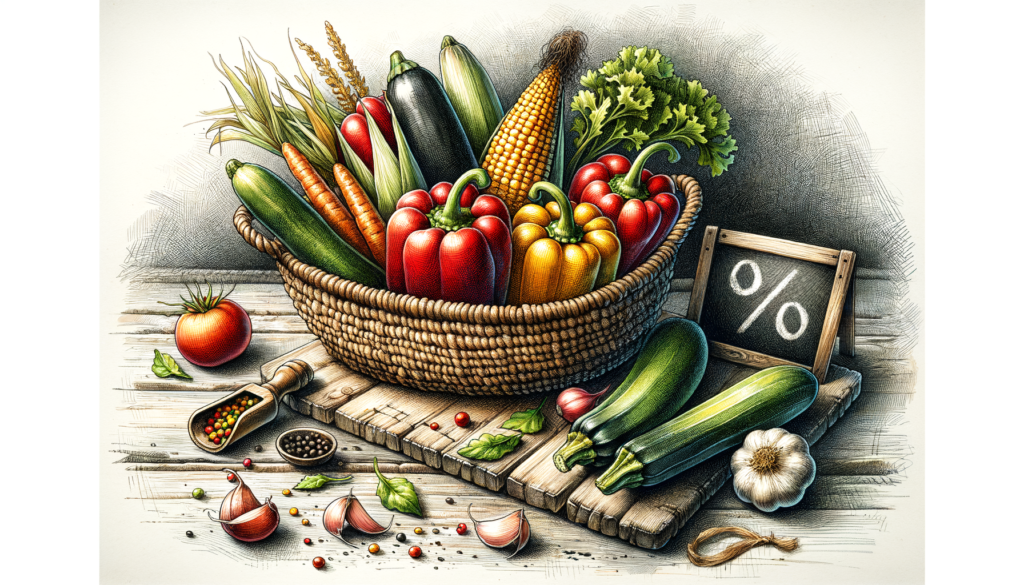
Rising grocery prices have families everywhere looking for ways to slash their food budgets without sacrificing nutrition or taste. While coupons get all the attention, there are powerful money-saving strategies that can dramatically reduce your grocery spending without the hassle of clipping and organizing coupons.
7 min read
In This Article
- Master Strategic Meal Planning and Shopping Lists
- Shop Smarter with Store Brand Products and Bulk Buying
- Embrace Seasonal Shopping and Preservation Techniques
- Reduce Food Waste Through Smart Storage and Repurposing
- Optimize Your Protein Budget with Plant-Based Options
- Maximize Your Grocery Store Rewards and Cash Back
The average American household spends over $4,000 annually on groceries, but with the right approach, you can easily cut that number in half while still enjoying delicious, nutritious meals. These proven strategies focus on smart shopping habits, strategic meal planning, and maximizing the value of every dollar you spend.
Master Strategic Meal Planning and Shopping Lists
The foundation of cutting your grocery bill starts before you ever set foot in a store. Strategic meal planning is your secret weapon against impulse purchases and food waste – two of the biggest budget killers.
Start by taking inventory of what you already have at home. Check your pantry, freezer, and refrigerator, then plan meals around these existing ingredients. This simple step alone can save you 20-30% on your next shopping trip.
💡 Pro Tip: The 3-Step Planning Method
- Inventory first: List what you have on hand
- Plan around sales: Check store flyers before planning meals
- Stick to your list: Bring only cash or set a strict spending limit
When creating your shopping list, organize it by store layout to avoid unnecessary wandering that leads to impulse buys. Studies show that shoppers who use organized lists spend 23% less than those who shop without a plan.
Consider batch cooking and meal prep as part of your planning strategy. Preparing larger quantities of versatile ingredients like rice, beans, and roasted vegetables gives you building blocks for multiple meals throughout the week.
Shop Smarter with Store Brand Products and Bulk Buying
Store brand products offer identical quality to name brands at 20-40% lower prices. Most store brands are manufactured by the same companies that produce name-brand items, just with different packaging.
Focus your bulk buying on non-perishable staples and items you use regularly. Rice, pasta, canned goods, frozen vegetables, and cleaning supplies offer excellent bulk savings. However, avoid the bulk trap with perishables – buying a giant bag of fresh produce that spoils is no bargain.
🧮 Calculate Your Savings
Quick comparison tool: Always check the unit price (per ounce, pound, or count) rather than the package price. A smaller package might actually be the better deal.
Example: Brand name cereal at $4.99 for 12oz vs. store brand at $2.49 for 11oz = store brand saves you $2.18 per pound!
Time your shopping trips strategically. Many stores mark down meat, bakery items, and produce at specific times – often early morning or evening. These markdowns can offer 30-50% savings on items you can use immediately or freeze for later.
Consider shopping at multiple stores for the best deals, but only if they’re convenient to your routine. The gas money and time spent driving to multiple locations can quickly negate your savings.
Handpicked items you might love
Embrace Seasonal Shopping and Preservation Techniques
Seasonal shopping is one of the most effective ways to slash your grocery budget while enjoying peak-flavor produce. Fruits and vegetables in season cost significantly less and taste infinitely better than out-of-season alternatives.
Learn your area’s seasonal produce calendar and plan meals accordingly. Summer brings affordable berries, tomatoes, and stone fruits, while fall offers budget-friendly apples, squash, and root vegetables. Winter might seem limited, but it’s prime time for citrus fruits and hearty greens.
When seasonal produce hits rock-bottom prices, buy extra and preserve it for later use. Freezing is the simplest preservation method – berries, chopped vegetables, and even some fruits freeze beautifully. Blanch vegetables like broccoli and green beans before freezing to maintain quality.
🍅 Seasonal Savings Calendar
- Spring: Asparagus, lettuce, peas, strawberries
- Summer: Tomatoes, corn, berries, stone fruits
- Fall: Apples, squash, pumpkins, Brussels sprouts
- Winter: Citrus, cabbage, potatoes, onions
Tip: Buy extra when prices drop and preserve for off-season use!
Don’t overlook frozen vegetables and fruits. They’re picked at peak ripeness, flash-frozen to preserve nutrients, and often cost less than fresh equivalents. Frozen produce works perfectly in smoothies, soups, stir-fries, and baked goods.
Reduce Food Waste Through Smart Storage and Repurposing
Food waste is essentially throwing money directly in the trash. The average family wastes about $1,500 worth of food annually, so reducing waste can significantly impact your grocery budget.
Learn proper storage techniques to extend the life of your purchases. Store potatoes and onions separately (they make each other spoil faster), keep herbs like fresh flowers in water, and store bananas away from other fruits to prevent rapid ripening.
Transform leftovers and aging ingredients into new meals instead of letting them spoil. Overripe bananas become banana bread or smoothie ingredients. Vegetable scraps turn into flavorful homemade stock. Stale bread transforms into breadcrumbs, croutons, or bread pudding.
📝 Weekly Food Waste Audit
Track what you throw away for one week:
- Day 1-7: Note every food item that goes bad
- Calculate the cost of wasted items
- Identify patterns (always too much lettuce? Milk expires unused?)
- Adjust buying habits accordingly
Goal: Reduce waste by 50% within one month
Implement the “first in, first out” rule in your kitchen. Use older items before newer purchases, and keep a running list of items that need to be used soon. Place these items at eye level in your refrigerator where you can’t miss them.
Optimize Your Protein Budget with Plant-Based Options
Protein often represents the largest portion of grocery budgets, but you don’t need expensive cuts of meat for every meal. Strategic protein planning can deliver massive savings without sacrificing nutrition or satisfaction.
Incorporate more plant-based proteins like beans, lentils, eggs, and tofu into your meal rotation. A pound of dried beans costs around $1-2 and provides multiple servings of high-quality protein, while the same amount of meat protein might cost $8-15.
When you do buy meat, choose versatile cuts that stretch across multiple meals. A whole chicken can provide 3-4 different meals: roasted chicken dinner, chicken soup from the bones, and chicken salad from leftover meat. Ground meat mixed with beans or lentils doubles the volume while maintaining protein content.
🌱 Budget-Friendly Protein Sources
Cost per serving of protein:
- Dried beans/lentils: $0.10-0.20
- Eggs: $0.15-0.25
- Peanut butter: $0.20-0.30
- Canned fish: $0.50-0.75
- Chicken thighs: $0.75-1.25
- Ground beef: $1.50-2.50
Buy meat in bulk when it’s on sale and portion it for the freezer. Learn to break down whole chickens yourself – it’s easier than you think and saves 40-60% compared to buying pre-cut pieces.
Maximize Your Grocery Store Rewards and Cash Back
Most grocery stores offer loyalty programs that provide exclusive discounts, personalized coupons, and cash back opportunities. These programs are free to join and can offer significant savings without the hassle of traditional couponing.
Many stores now offer digital deals through their apps. Load these offers onto your loyalty card before shopping – they automatically apply at checkout. Some stores also offer cash back on certain purchases or points that convert to grocery credit.
Use cash back credit cards or apps like Ibotta, Checkout 51, or Fetch Rewards to earn money back on purchases you’re already making. These apps often offer cash back on everyday items without requiring specific brands or sizes.
💳 Rewards Strategy Checklist
- Sign up for your store’s loyalty program
- Download the store’s mobile app
- Check for digital coupons before each trip
- Use a cash back credit card (pay balance monthly)
- Install cash back apps like Ibotta or Fetch
- Track your total monthly savings
Consider shopping at stores that double manufacturer coupons or offer price matching policies. Some stores will match competitors’ advertised prices, allowing you to get the best deals without visiting multiple locations.
By implementing these strategies consistently, you can realistically cut your grocery bill in half within 2-3 months. Start with one or two techniques that feel manageable, then gradually incorporate others as they become habits. Remember, the key is consistency – small changes in your shopping routine compound into significant savings over time.
You Might Also Like
The money you save on groceries can be redirected toward other financial goals, whether that’s building an emergency fund, paying off debt, or finally taking that vacation you’ve been planning. Your future self will thank you for taking control of this major household expense today.
Written by Editorial Team
Our editorial team is dedicated to bringing you the latest insights, tips, and product recommendations.
Advertisement