

If you could only choose one anti-aging product for the rest of your life, dermatologists worldwide would unanimously point you toward sunscreen. While serums, retinoids, and moisturizers all play important roles in skincare, nothing comes close to SPF when it comes to preventing premature aging. In fact, up to 80% of visible aging signs are caused by sun exposure—a process called photoaging that’s entirely preventable with consistent sunscreen use.
7 min read
In This Article
Understanding the connection between UV radiation and skin aging isn’t just about vanity; it’s about protecting your skin’s health and maintaining its natural barrier function for years to come. Let’s dive deep into why SPF should be the cornerstone of every anti-aging routine.
The Science Behind UV Damage and Skin Aging
When UV rays penetrate your skin, they trigger a cascade of cellular damage that accelerates the aging process. There are two primary types of UV radiation that affect your skin:
UVA rays (320-400 nm) penetrate deep into the dermis, breaking down collagen and elastin fibers. These are often called “aging rays” because they’re primarily responsible for wrinkles, age spots, and loss of skin elasticity. UVA rays can penetrate through windows and clouds, meaning you’re exposed even indoors or on overcast days.
UVB rays (280-320 nm) primarily affect the skin’s surface, causing sunburn and playing a major role in skin cancer development. While UVB rays don’t penetrate as deeply as UVA, they still contribute to photoaging by damaging DNA in skin cells.
Did You Know?
Studies show that people who use broad-spectrum SPF 30 or higher daily can actually reverse some signs of photoaging within 12 weeks of consistent use. Your skin has remarkable healing abilities when given proper protection!
The damage occurs at the molecular level through the formation of reactive oxygen species (ROS), which break down the skin’s support structure. Collagen production slows down by about 1% each year after age 30, but sun exposure can accelerate this process dramatically. This is why you might notice that areas regularly exposed to sun—like your face, neck, and hands—show aging signs much earlier than protected areas.
How SPF Works: Your Skin’s Invisible Shield
Sunscreen works through two primary mechanisms: physical (mineral) blockers and chemical absorbers. Understanding how each type works can help you choose the best option for your skin type and lifestyle.
Physical/Mineral Sunscreens contain zinc oxide and titanium dioxide, which sit on top of your skin and deflect UV rays like tiny mirrors. These ingredients are immediately effective upon application and are less likely to cause irritation, making them ideal for sensitive skin types. Modern formulations have eliminated the white cast that mineral sunscreens were once known for.
Chemical Sunscreens contain ingredients like avobenzone, octinoxate, and homosalate that absorb UV radiation and convert it to heat, which is then released from the skin. These formulations tend to be lighter and more cosmetically elegant, but they require 15-20 minutes to become fully effective and may cause reactions in sensitive individuals.
SPF Calculator: Find Your Ideal Protection Level
Your ideal SPF depends on several factors:
- Skin Type: Fair skin needs SPF 30+ minimum
- Time Outdoors: Extended exposure requires SPF 50+
- Geographic Location: Higher altitudes and latitudes closer to the equator need higher SPF
- Season: UV rays are strongest from 10 AM to 4 PM
Remember: SPF 30 blocks 97% of UVB rays, while SPF 50 blocks 98%. The difference is minimal, but reapplication frequency matters more than the number!
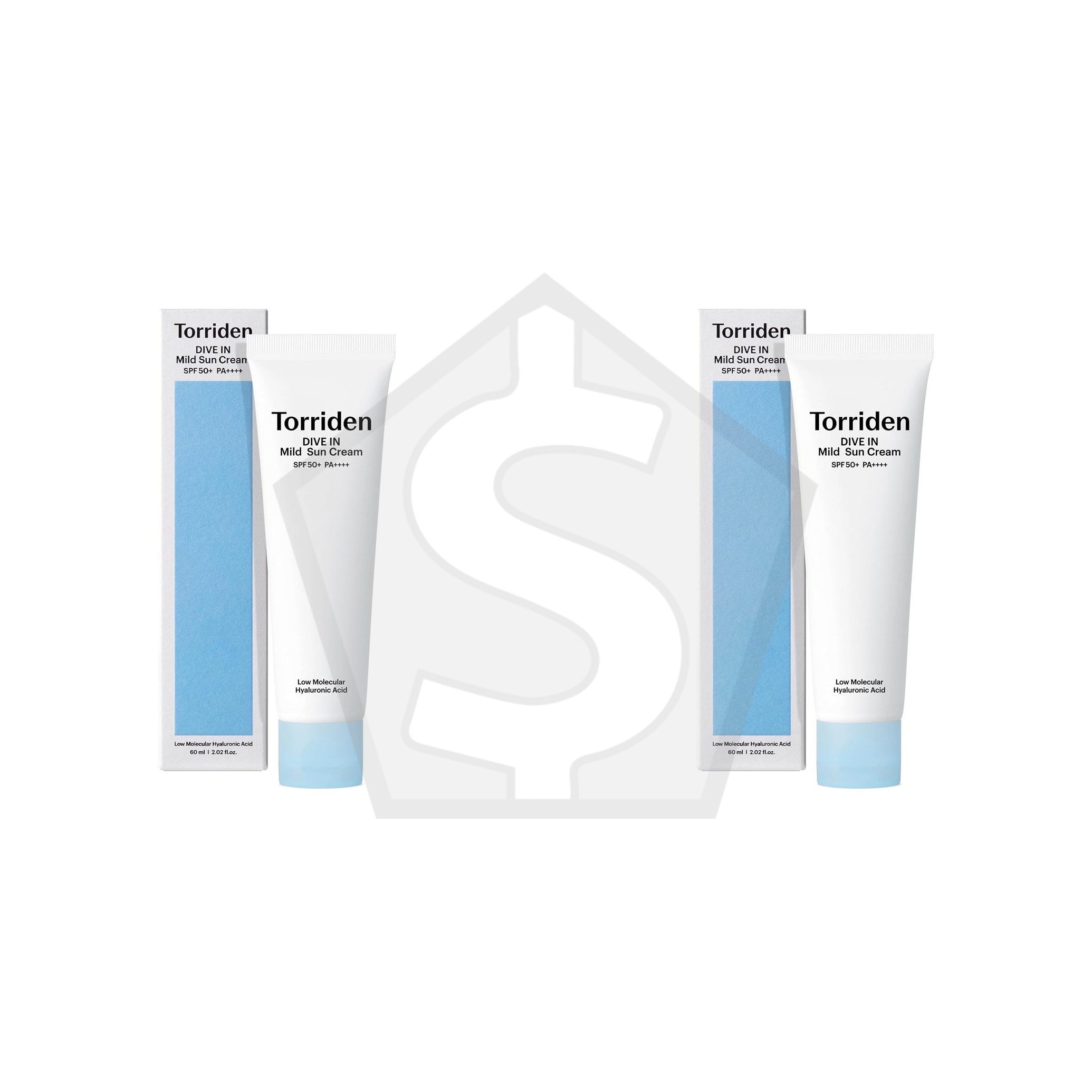
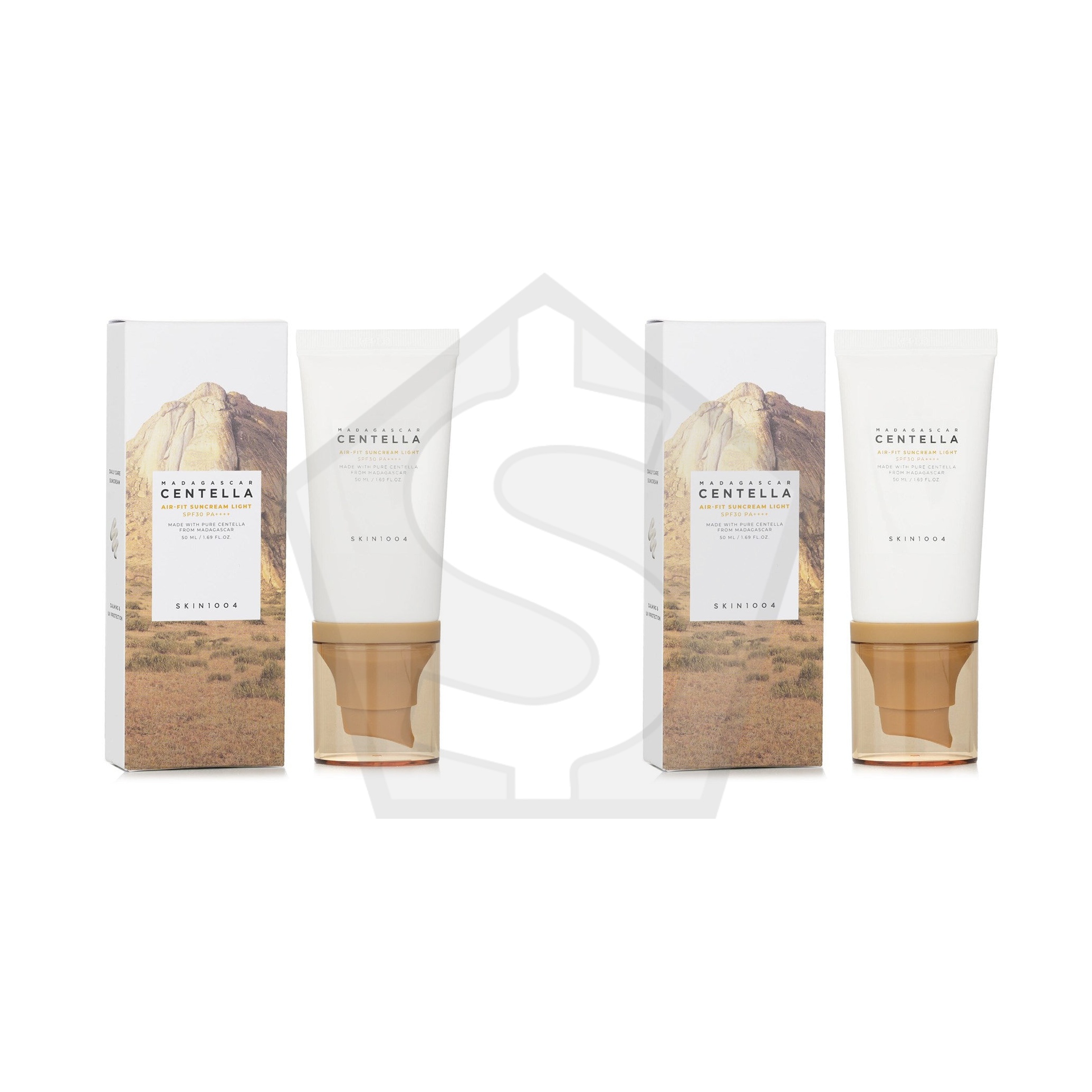
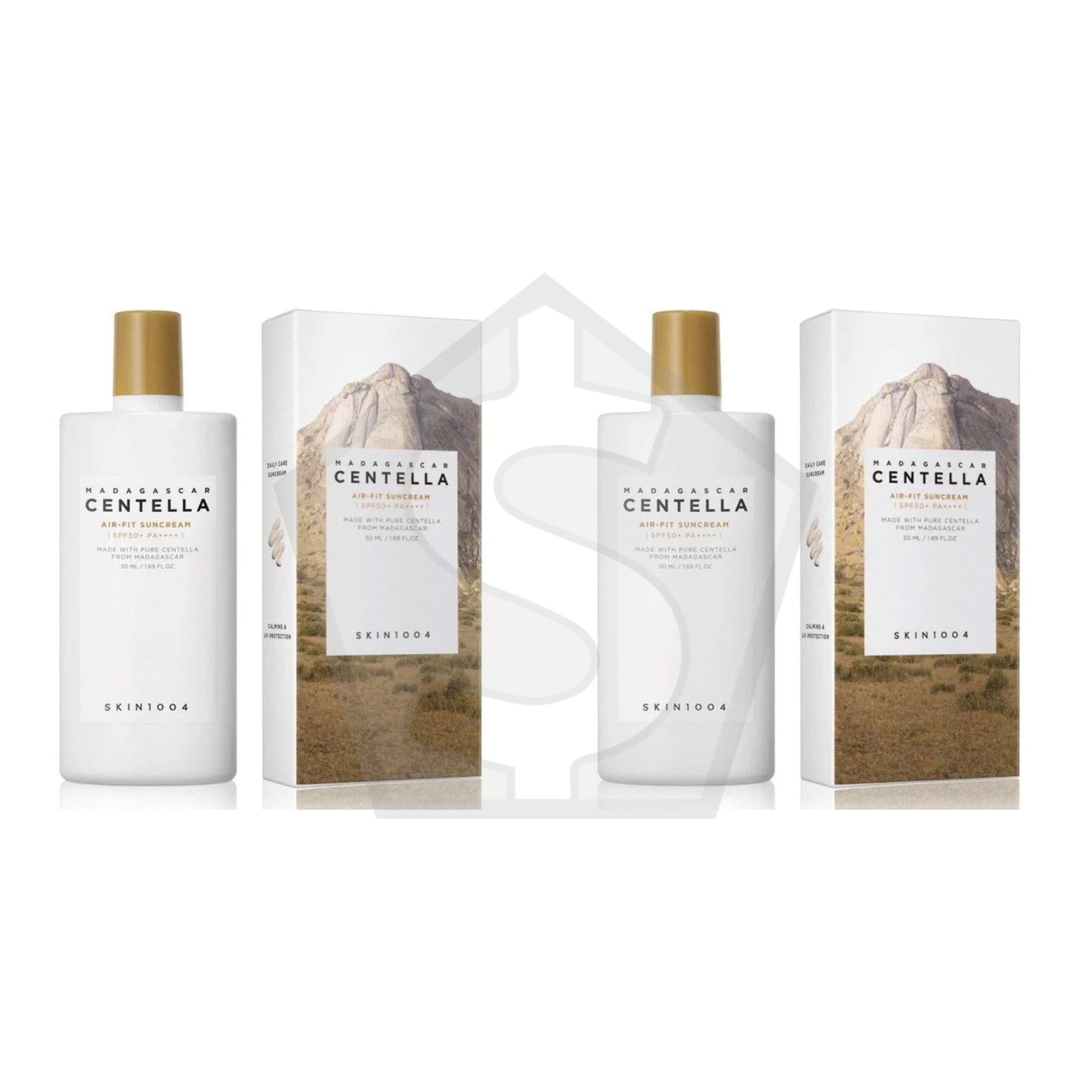
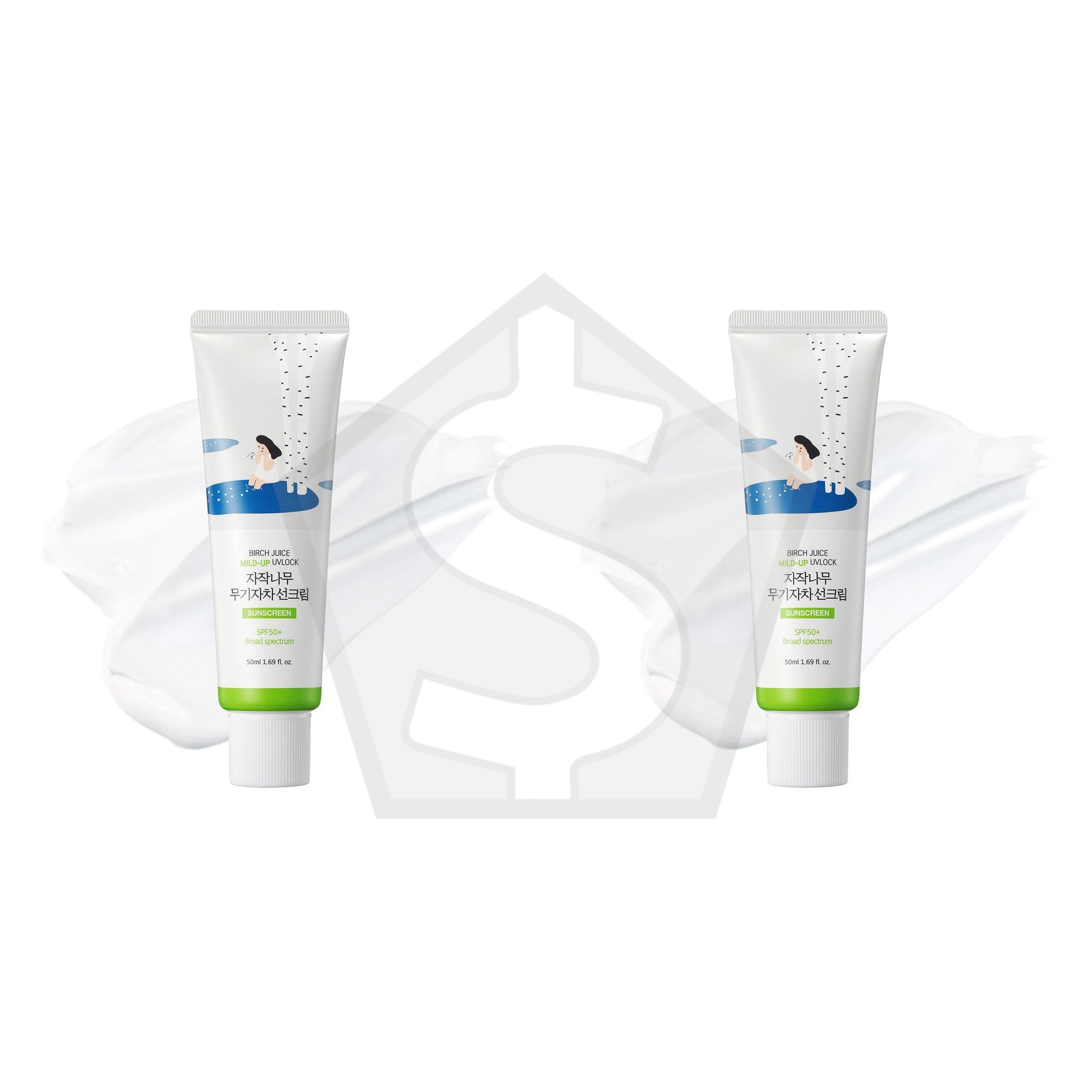
Handpicked items you might love
The Anti-Aging Benefits of Daily SPF Use
Consistent sunscreen use delivers both immediate and long-term anti-aging benefits that go far beyond simple sun protection. Here’s what happens when you make SPF a daily habit:
Prevents New Damage: Daily SPF use halts the progression of photoaging by blocking the UV rays that break down collagen and elastin. This means fewer new wrinkles, age spots, and areas of uneven pigmentation.
Allows Natural Repair: When your skin isn’t constantly defending against UV damage, it can redirect its energy toward natural repair processes. This includes increased collagen synthesis and cellular turnover.
Maintains Skin Barrier Function: UV exposure weakens your skin’s natural barrier, leading to increased water loss and sensitivity. Proper sun protection helps maintain optimal barrier function, keeping skin hydrated and resilient.
Prevents Hyperpigmentation: Sun exposure triggers melanin production, leading to age spots and melasma. Daily SPF use prevents new pigmentation from forming and allows existing dark spots to fade more effectively when combined with brightening treatments.
Real Results Timeline
- 2-4 weeks: Improved skin texture and hydration
- 6-8 weeks: Reduced appearance of fine lines
- 3-6 months: Visible improvement in age spots and skin tone
- 1+ years: Significant difference in overall skin aging compared to non-SPF users
Choosing the Right SPF for Anti-Aging
Not all sunscreens are created equal when it comes to anti-aging benefits. Here’s what to look for in an anti-aging sunscreen:
Broad-Spectrum Protection: This is non-negotiable. Your sunscreen must protect against both UVA and UVB rays. Look for this designation on the label, as it’s regulated by the FDA.
SPF 30 or Higher: While SPF 15 might be sufficient for brief outdoor exposure, anti-aging requires consistent, robust protection. SPF 30 is the minimum recommendation from dermatologists, with SPF 50 being ideal for extended outdoor activities.
Additional Anti-Aging Ingredients: Many modern sunscreens include bonus ingredients like:
- Antioxidants (Vitamin C, E, Niacinamide): Neutralize free radicals and boost collagen production
- Hyaluronic Acid: Provides hydration and plumps fine lines
- Peptides: Stimulate collagen synthesis
- Zinc Oxide: Offers additional anti-inflammatory benefits
Cosmetic Elegance: The best sunscreen is the one you’ll actually use every day. Look for formulations that work well under makeup, don’t leave a white cast, and feel comfortable on your skin.
Application Tips for Maximum Anti-Aging Benefits
Even the best sunscreen won’t deliver anti-aging benefits if it’s not applied correctly. Follow these expert tips to maximize your protection:
Use Enough Product: Most people use only 25% of the recommended amount of sunscreen. You need about 1/4 teaspoon for your face and neck alone. If you’re using a pump bottle, that’s typically 2-3 pumps.
Apply 15-30 Minutes Before Sun Exposure: Chemical sunscreens need time to absorb and become effective. Physical sunscreens work immediately but benefit from even distribution time.
Don’t Forget Often-Missed Areas: The tops of ears, eyelids, lips, hairline, and neck are frequently missed but show aging signs early. Use a lip balm with SPF and consider sunglasses with UV protection for the eye area.
Reapply Every 2 Hours: This is crucial for maintaining protection throughout the day. If you’re wearing makeup, consider SPF setting sprays or powder sunscreens for touch-ups.
Daily SPF Routine Checklist
Morning:
- ☐ Cleanse skin thoroughly
- ☐ Apply any treatment serums (vitamin C, etc.)
- ☐ Apply moisturizer if needed
- ☐ Apply broad-spectrum SPF 30+ generously
- ☐ Wait 15 minutes before makeup application
Throughout the Day:
- ☐ Reapply SPF every 2 hours
- ☐ Use SPF lip balm regularly
- ☐ Wear sunglasses with UV protection
- ☐ Seek shade during peak hours (10 AM – 4 PM)
Common SPF Myths That Accelerate Aging
Several misconceptions about sunscreen use can sabotage your anti-aging efforts. Let’s debunk the most common myths:
Myth: “I don’t need SPF on cloudy days”
Reality: Up to 80% of UV rays penetrate clouds. Overcast days can actually be more dangerous because people skip sun protection while still receiving significant UV exposure.
Myth: “My makeup has SPF, so I’m protected”
Reality: While makeup with SPF provides some protection, most people don’t apply makeup thickly enough to achieve the stated SPF level. Makeup with SPF should supplement, not replace, dedicated sunscreen.
Myth: “I have dark skin, so I don’t need as much protection”
Reality: While darker skin tones have more natural protection against UV rays, photoaging still occurs. Dark skin is particularly prone to post-inflammatory hyperpigmentation from sun exposure.
Myth: “SPF in moisturizer is less effective”
Reality: SPF moisturizers can be just as effective as standalone sunscreens if they’re broad-spectrum and applied generously. The key is using enough product and reapplying regularly.
The relationship between SPF and anti-aging isn’t just about preventing future damage—it’s about giving your skin the opportunity to repair and regenerate. When you consistently protect your skin from UV exposure, you’re not just preventing wrinkles and age spots; you’re supporting your skin’s natural healing processes and maintaining its health for decades to come.
You Might Also Like
Remember, the best anti-aging routine is one you’ll stick to consistently. Find a sunscreen you love wearing, make it part of your daily routine, and watch as your skin thanks you with a more youthful, radiant appearance that lasts. Your future self will appreciate the investment you’re making today in protecting and preserving your skin’s natural beauty.
Written by Editorial Team
Our editorial team is dedicated to bringing you the latest insights, tips, and product recommendations.
Advertisement