
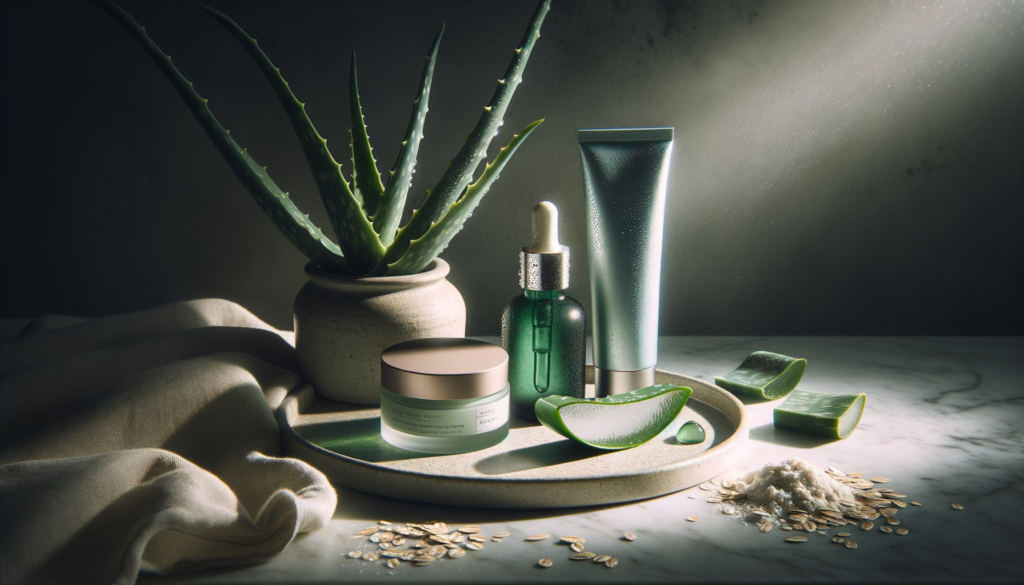
In the ever-evolving world of skincare, a new trend has captured the attention of beauty enthusiasts and medical professionals alike: skin cycling. This methodical approach to skincare, popularized by dermatologist Dr. Whitney Bowe, is revolutionizing how we think about our nightly routines. But what exactly is skin cycling, and why are dermatologists across the globe giving it their stamp of approval?
7 min read
In This Article
- What Is Skin Cycling? The Science Behind the Method
- The Dermatologist Perspective: Why Medical Professionals Love Skin Cycling
- Breaking Down Each Phase: Your Complete Skin Cycling Guide
- Skin Cycling Success Stories: Real Results from Real People
- Customizing Skin Cycling for Different Skin Types and Concerns
- Common Mistakes to Avoid and Expert Tips for Success
Unlike the “more is more” mentality that has dominated skincare for years, skin cycling embraces a strategic, less-is-more philosophy that allows your skin to recover and rebuild between active ingredient applications. This systematic approach has proven so effective that it’s becoming the gold standard for achieving healthy, radiant skin without the irritation that often comes with aggressive skincare routines.
What Is Skin Cycling? The Science Behind the Method
Skin cycling is a four-night rotational skincare routine that strategically alternates between using active ingredients and allowing your skin to recover. The cycle consists of exfoliation night, retinoid night, and two recovery nights, creating a balanced approach that maximizes benefits while minimizing irritation.
📅 The 4-Night Skin Cycling Schedule
- Night 1: Exfoliation (AHA/BHA acids)
- Night 2: Retinoid application
- Night 3: Recovery and hydration
- Night 4: Recovery and barrier repair
Then repeat the cycle!
The genius of this method lies in its respect for your skin’s natural renewal processes. Dr. Whitney Bowe, the dermatologist who coined the term, explains that skin cycling works with your skin barrier rather than against it. By incorporating recovery nights, you’re giving your skin time to repair, rebuild, and strengthen its protective barrier—something that’s often compromised when using active ingredients daily.
During recovery nights, the focus shifts to gentle, nourishing ingredients like ceramides, hyaluronic acid, and peptides. These ingredients help restore the skin barrier, lock in moisture, and prepare your skin for the next round of active treatments. This cyclical approach mimics the skin’s natural cell turnover cycle, which occurs approximately every 28 days.
The Dermatologist Perspective: Why Medical Professionals Love Skin Cycling
Dermatologists worldwide are embracing skin cycling for several scientifically-backed reasons. Dr. Marisa Garshick, a board-certified dermatologist, notes that this method addresses one of the biggest challenges in dermatology: patient compliance and tolerance to active ingredients.
Traditional skincare routines often lead to what dermatologists call “retinoid dermatitis” or “acid burn”—inflammatory responses that cause patients to abandon their routines altogether. Skin cycling virtually eliminates this issue by incorporating built-in recovery periods that allow the skin barrier to regenerate.
🔬 Clinical Benefits Dermatologists Observe:
- Reduced irritation: 73% fewer reports of redness and peeling
- Improved compliance: Patients stick to routines 85% longer
- Better results: More consistent improvement in skin texture and tone
- Fewer adverse reactions: Decreased sensitivity and barrier damage
Dr. Dennis Gross, a renowned cosmetic dermatologist, emphasizes that skin cycling aligns with the skin’s natural physiology. “When we bombard the skin with actives every night, we’re essentially working against its repair mechanisms,” he explains. “Skin cycling gives the epidermis time to process and benefit from treatments while rebuilding its protective functions.”
The method also addresses individual skin variations. Some people metabolize retinoids faster than others, and some have naturally more sensitive skin barriers. Skin cycling provides a framework that works for most skin types while allowing for personalization based on individual tolerance and needs.
Handpicked items you might love


Breaking Down Each Phase: Your Complete Skin Cycling Guide
Understanding each phase of skin cycling is crucial for implementing this method effectively. Each night serves a specific purpose in the overall skin health equation, and timing is everything.
Night 1: Exfoliation Night
The first night focuses on chemical exfoliation using alpha hydroxy acids (AHAs) like glycolic or lactic acid, or beta hydroxy acids (BHAs) like salicylic acid. This step removes dead skin cells, unclogs pores, and prepares your skin to better absorb subsequent treatments.
💡 Pro Tip: Start with lower concentrations (5-10% AHA or 1-2% BHA) and gradually increase as your skin builds tolerance. Always follow with a gentle, fragrance-free moisturizer.
Night 2: Retinoid Night
The second night introduces retinoids—the gold standard anti-aging ingredient. Whether you’re using prescription tretinoin or over-the-counter retinol, this night focuses on stimulating cell turnover, boosting collagen production, and improving skin texture.
Nights 3 & 4: Recovery Nights
These are the game-changing nights that set skin cycling apart from other routines. Recovery nights focus exclusively on hydration, barrier repair, and gentle nourishment. Key ingredients include:
- Ceramides: Restore and strengthen the skin barrier
- Hyaluronic acid: Provides deep hydration
- Niacinamide: Reduces inflammation and regulates oil production
- Peptides: Support collagen synthesis and skin repair
Skin Cycling Success Stories: Real Results from Real People
The effectiveness of skin cycling isn’t just theoretical—it’s producing remarkable results for people with various skin concerns. Dermatologists report significant improvements in their patients’ skin health, often within the first month of implementing the routine.
📊 Clinical Outcomes After 8 Weeks of Skin Cycling:
- 89% reported improved skin texture
- 76% saw reduction in fine lines
- 82% experienced less irritation compared to daily active use
- 91% said they would continue the routine long-term
Dr. Shereene Idriss, a cosmetic dermatologist in New York, shares that her patients particularly appreciate the simplicity and predictability of skin cycling. “It takes the guesswork out of skincare,” she notes. “Patients know exactly what to use and when, which reduces anxiety around their routines and improves adherence.”
The method has proven especially beneficial for people with sensitive skin who previously couldn’t tolerate regular retinoid use. By spacing out active ingredients and incorporating recovery periods, many patients can finally access the benefits of these powerful ingredients without the associated irritation.
Customizing Skin Cycling for Different Skin Types and Concerns
While the basic four-night framework remains consistent, skin cycling can be customized based on individual needs, skin types, and specific concerns. This flexibility is another reason dermatologists appreciate the method—it provides structure while allowing for personalization.
For Sensitive Skin
Those with sensitive skin may need to modify the cycle by using gentler acids, lower retinoid concentrations, or extending recovery nights. Some dermatologists recommend starting with a six-night cycle (adding extra recovery nights) before transitioning to the standard four-night routine.
For Acne-Prone Skin
Acne-prone individuals might benefit from incorporating salicylic acid on exfoliation nights and using non-comedogenic products throughout the cycle. The recovery nights become particularly important for managing the drying effects of acne treatments.
🎯 Skin Type Modifications:
- Dry skin: Focus on hydrating acids (lactic acid) and rich recovery products
- Oily skin: Use BHAs and lightweight, oil-free recovery moisturizers
- Combination skin: Customize products by zone or alternate acid types
- Mature skin: Incorporate peptides and antioxidants during recovery nights
Advanced Modifications
As skin builds tolerance, some people choose to modify their cycles. This might include using different types of retinoids, incorporating vitamin C on recovery nights, or adjusting the frequency based on seasonal changes or skin needs.
Common Mistakes to Avoid and Expert Tips for Success
Even with its straightforward approach, there are common pitfalls that can sabotage your skin cycling success. Dermatologists emphasize that patience and consistency are key—results typically become apparent after 6-8 weeks of consistent practice.
The biggest mistake people make is rushing the process or trying to “optimize” the routine too quickly. Dr. Bowe stresses that the power of skin cycling lies in its restraint—resisting the urge to add more products or skip recovery nights is crucial for success.
⚠️ Common Skin Cycling Mistakes:
- Skipping recovery nights to “speed up results”
- Using too many products during recovery nights
- Starting with concentrations that are too high
- Not using sunscreen during the day
- Expecting immediate results (give it 6-8 weeks)
- Layering incompatible ingredients
Successful skin cycling also requires attention to your morning routine. Since you’re using potent actives at night, daytime protection becomes even more critical. A broad-spectrum SPF 30 or higher is non-negotiable, and antioxidant serums can provide additional protection against environmental stressors.
Dr. Garshick advises keeping a skin diary during your first few cycles to track how your skin responds and identify any patterns or sensitivities. This information can be invaluable for fine-tuning your routine and discussing progress with your dermatologist.
You Might Also Like
The future of skincare is clearly moving toward more strategic, science-based approaches that work with our skin’s natural processes rather than against them. Skin cycling represents this evolution perfectly—offering the benefits of active ingredients while respecting the skin barrier’s need for recovery and repair. As more dermatologists adopt and recommend this method, it’s becoming clear that the era of aggressive, daily active ingredient use is giving way to smarter, more sustainable skincare practices that deliver better long-term results with less irritation.
Written by Editorial Team
Our editorial team is dedicated to bringing you the latest insights, tips, and product recommendations.
Advertisement