
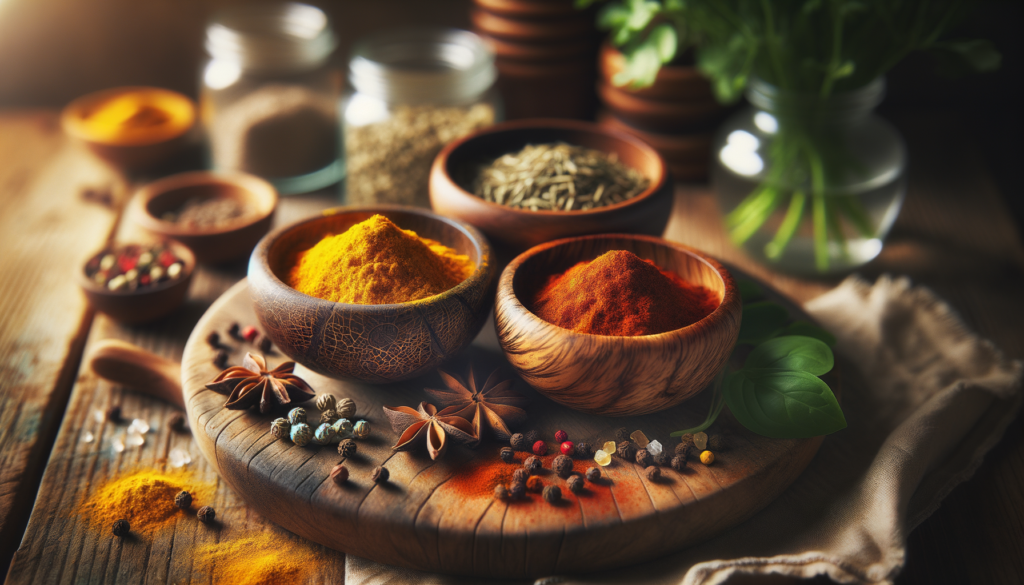
Learning how to properly season food transforms ordinary meals into extraordinary culinary experiences. Whether you’re a complete beginner or looking to refine your seasoning skills, understanding the fundamentals of spices and seasonings will elevate your cooking and help you create delicious, well-balanced dishes every time.
6 min read
In This Article
Quick Tip
Start with small amounts of seasoning and taste as you go. You can always add more, but you can’t take it back!
Essential Spices Every Beginner Should Have
Building a well-stocked spice cabinet doesn’t require dozens of exotic ingredients. Start with these fundamental spices that form the backbone of most cuisines:
Salt and Black Pepper: The foundation of all seasoning. Use kosher salt or sea salt for better control and freshly ground black pepper for maximum flavor impact.
Garlic Powder and Onion Powder: These versatile seasonings add depth without the prep work of fresh ingredients. They’re perfect for dry rubs and quick seasoning blends.
Paprika: Adds mild, sweet flavor and beautiful color to dishes. Choose sweet paprika for everyday use or smoked paprika for deeper complexity.
Cumin: Essential for Mexican, Middle Eastern, and Indian cuisines. Its earthy, warm flavor complements beans, meats, and roasted vegetables perfectly.
Dried Herbs: Stock up on oregano, thyme, basil, and rosemary. These Mediterranean staples work beautifully with pasta, roasted meats, and vegetable dishes.
Essential Spice Checklist
- □ Salt (kosher or sea salt)
- □ Black pepper (whole peppercorns)
- □ Garlic powder
- □ Onion powder
- □ Sweet paprika
- □ Ground cumin
- □ Dried oregano
- □ Dried thyme
Understanding Flavor Profiles and Combinations
Successfully seasoning food requires understanding how different spices work together to create harmonious flavor profiles. Each cuisine has signature combinations that have been perfected over centuries.
Mediterranean Blend: Combine oregano, thyme, rosemary, and garlic powder for dishes inspired by Italian and Greek cooking. This blend works beautifully with chicken, fish, and roasted vegetables.
Mexican-Inspired Mix: Cumin, chili powder, paprika, and garlic create the warm, earthy flavors associated with Mexican cuisine. Perfect for beans, ground meat, and roasted peppers.
Asian-Inspired Seasoning: Ginger, garlic, and five-spice powder (or individual components like star anise and cinnamon) create the complex flavors found in Chinese and Southeast Asian dishes.
The key to successful flavor combinations is balance. Each spice should enhance the others without overpowering the dish. Start with equal parts of your chosen spices, then adjust based on your taste preferences and the specific dish you’re preparing.
Handpicked items you might love
Timing: When to Add Spices During Cooking
The timing of when you add spices can dramatically impact their flavor contribution to your dish. Understanding these principles will help you maximize the impact of your seasonings.
At the Beginning: Ground spices like cumin, coriander, and paprika benefit from being added early in the cooking process. This allows their flavors to bloom and integrate into the dish. Add them after sautéing onions and garlic but before adding liquids.
During Cooking: Dried herbs like oregano, thyme, and bay leaves should be added during the middle stages of cooking. They need time to rehydrate and release their flavors but can become bitter if cooked too long.
At the End: Delicate spices and fresh herbs should be added in the final minutes of cooking or just before serving. This includes fresh herbs, citrus zest, and finishing salts that provide bright, immediate flavor impact.
Pro Tip: Toast whole spices in a dry pan for 1-2 minutes before grinding. This releases aromatic oils and intensifies their flavor significantly.
Common Seasoning Mistakes and How to Avoid Them
Even experienced home cooks make seasoning mistakes that can compromise their dishes. Learning to recognize and avoid these common pitfalls will improve your cooking immediately.
Over-seasoning: The most common mistake is adding too much seasoning at once. Always start with less than you think you need and build up gradually. Remember that salt enhances other flavors, so a dish might just need more salt rather than more spices.
Under-seasoning: On the flip side, many beginners are too timid with seasonings. Food should be properly seasoned throughout the cooking process, not just at the end. Layer your seasonings for complex, well-developed flavors.
Using Old Spices: Spices lose potency over time. Ground spices should be replaced every 1-2 years, while whole spices can last 3-4 years when stored properly. If you can’t smell the spice when you open the container, it’s time for a replacement.
Not Tasting as You Go: The most important tool in proper seasoning is your palate. Taste your food at different stages of cooking and adjust seasonings accordingly. What tastes good at the beginning may need adjustment as flavors develop and concentrate.
Seasoning Different Types of Food
Different ingredients require different seasoning approaches to achieve optimal flavor. Understanding these nuances will help you season any dish with confidence.
Proteins: Meat, fish, and poultry benefit from seasoning both inside and out. For roasts and whole birds, season well in advance (even overnight) to allow flavors to penetrate. For quick-cooking proteins like fish fillets or chicken breasts, season just before cooking to prevent drawing out moisture.
Vegetables: Root vegetables can handle robust seasonings and benefit from being seasoned before roasting. Delicate vegetables like leafy greens should be seasoned lightly and just before serving to prevent wilting.
Grains and Legumes: Season the cooking liquid for rice, quinoa, and beans rather than trying to season them after cooking. This ensures even flavor distribution throughout each grain or bean.
Soups and Stews: Build flavors in layers, seasoning at each stage of cooking. Start with aromatics, add heartier seasonings with vegetables and proteins, and finish with fresh herbs and acid (like lemon juice or vinegar) just before serving.
Simple All-Purpose Seasoning Blend
Ingredients:
- 2 tablespoons kosher salt
- 1 tablespoon garlic powder
- 1 tablespoon onion powder
- 1 tablespoon sweet paprika
- 1 teaspoon black pepper
- 1 teaspoon dried thyme
Instructions: Mix all ingredients and store in an airtight container. Use on vegetables, meats, or anywhere you want well-rounded flavor.
Storage and Organization Tips for Your Spice Collection
Proper storage extends the life of your spices and keeps them easily accessible for cooking. A well-organized spice collection makes seasoning food faster and more intuitive.
Storage Conditions: Keep spices in airtight containers away from heat, light, and moisture. The spice rack above your stove might look convenient, but the heat will degrade your spices quickly. Choose a cool, dark cabinet instead.
Labeling System: Date your spices when you purchase them and create a system that works for your cooking style. Some cooks prefer alphabetical organization, while others group by cuisine or frequency of use.
Buying Guidelines: Purchase whole spices when possible and grind them as needed for maximum freshness. Buy smaller quantities of less-used spices to ensure you use them while they’re still potent.
Testing Freshness: Perform regular freshness checks by smelling your spices. Vibrant, aromatic spices will enhance your cooking, while stale ones will do little to improve your dishes.
You Might Also Like
Remember that learning to season food properly is a journey that improves with practice. Start with these basics, trust your palate, and don’t be afraid to experiment. With time and experience, you’ll develop an intuitive understanding of how to balance flavors and create delicious, well-seasoned meals that will impress family and friends alike.
Written by Editorial Team
Our editorial team is dedicated to bringing you the latest insights, tips, and product recommendations.
Advertisement