
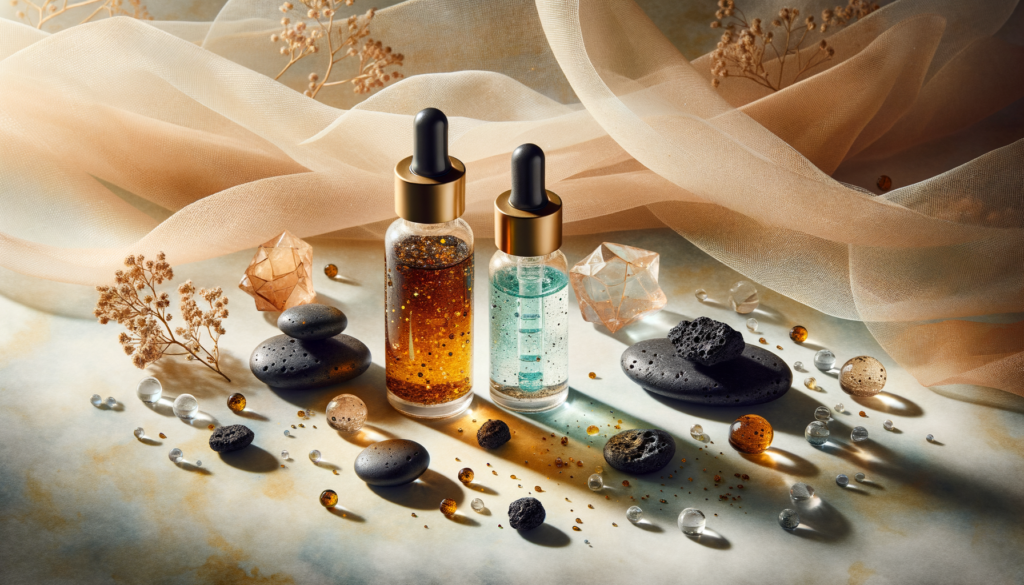
AHA vs BHA: The Ultimate Exfoliant Guide for Your Skin
Did you know that incorporating the right chemical exfoliant into your skincare routine can transform your skin within weeks? According to dermatologists, using exfoliants like AHAs and BHAs can lead to visibly brighter, smoother skin with fewer breakouts. But which one should you choose: AHA or BHA?
4 min read
In This Article
This guide explains the differences and benefits of AHA and BHA, helping you make an informed choice for your skin’s unique needs.
What Are AHAs and BHAs?
AHAs (Alpha Hydroxy Acids) and BHAs (Beta Hydroxy Acids) are powerful exfoliating agents commonly used in skincare. They help remove dead skin cells, revealing fresher, more radiant skin. But how do they differ?
AHA (Alpha Hydroxy Acids)
AHAs are water-soluble acids derived from fruits and milk. They work on the skin’s surface, making them suitable for addressing sun damage and dry skin. Common AHAs include glycolic, lactic, and citric acids.
- Glycolic Acid: Known for its small molecular size, it penetrates easily and provides powerful exfoliation.
- Lactic Acid: Derived from milk, it’s gentler than glycolic acid, ideal for sensitive skin.
BHA (Beta Hydroxy Acids)
BHAs are oil-soluble, which allows them to penetrate pores effectively, making them perfect for oily and acne-prone skin. Salicylic acid is the most common BHA.
- Salicylic Acid: Widely used in acne treatments for its ability to unclog pores and reduce inflammation.
How Do AHAs and BHAs Work?
AHAs and BHAs both exfoliate, but they do so in different ways:
Surface Exfoliation with AHAs
AHAs work by loosening the bonds between dead skin cells, enabling them to slough off more easily. This results in a smoother surface texture and brightened skin tone.
Deep Pore Cleaning with BHAs
BHAs penetrate deeper into the skin, dissolving sebum and clearing out clogged pores, making them ideal for tackling blackheads and whiteheads.
Handpicked items you might love
Which is Better: AHA or BHA?
There isn’t a one-size-fits-all answer. The choice between AHA and BHA depends on your skin type and specific needs.
- If you have dry skin: Opt for AHAs, which hydrate and exfoliate.
- If you have oily, acne-prone skin: BHAs are your best bet, thanks to their pore-clearing properties.
Can You Use AHA and BHA Together?
Combining AHAs and BHAs can enhance skin benefits, but it’s crucial to introduce them slowly to avoid irritation. Try using one in the morning and the other at night, or alternate days.
Did You Know? Studies show that combining both AHA and BHA can improve texture and clarity faster than using them individually, reducing acne by 60% in 8 weeks.
Are AHAs and BHAs Safe for Sensitive Skin?
Sensitive skin can still benefit from chemical exfoliants, but caution is key. Choose lower concentrations and do a patch test first.
Adjusting Usage for Tolerance
Start with lower concentrations or infrequent use (once a week) and gradually increase as your skin builds tolerance.
FAQs About AHAs and BHAs
+ What skin types benefit most from AHA?
+ How often should I use BHA?
+ Can AHAs and BHAs be used with other active ingredients?
+ Are there any side effects of using AHA/BHA?
+ Should I apply sunscreen when using AHA/BHA?
Conclusion
You Might Also Like
Choosing between AHA and BHA doesn’t have to be daunting. Analyze your skin’s needs, perhaps even mix both, to achieve the skin you’ve always wanted. Explore our curated selection of chemical exfoliants personalized for different skin types. Share your experiences and find your perfect match today!
Written by Editorial Team
Our editorial team is dedicated to bringing you the latest insights, tips, and product recommendations.
Advertisement