
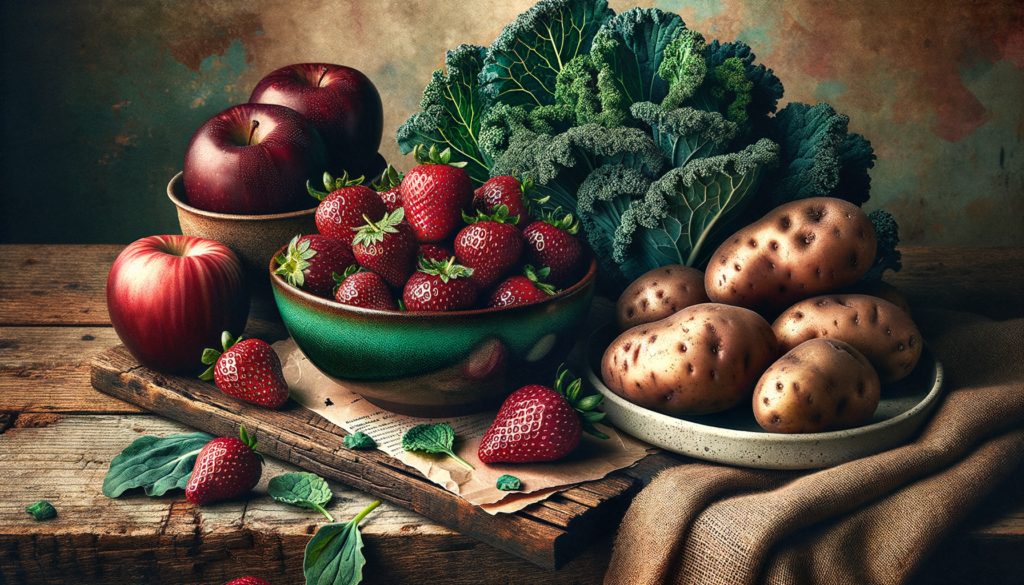
Best Guide to The Dirty Dozen and Clean Fifteen
Did you know that certain fruits and vegetables can carry more pesticide residues than others? This revelation can completely change the way we shop for groceries. By understanding the Dirty Dozen and Clean Fifteen, you can make informed choices that align with your health goals and budget.
3 min read
In This Article
The Dirty Dozen refers to a list of twelve fruits and vegetables with the highest pesticide residues, whereas the Clean Fifteen includes those with the least. Let’s dive deeper into these lists so you can shop smarter and healthier.
What Are The Dirty Dozen and Clean Fifteen?
According to a 2024 study by the Environmental Working Group (EWG), the Dirty Dozen are products most likely to be contaminated with pesticide residues, even after washing. Conversely, the Clean Fifteen tend to have fewer pesticides and are often safer to buy non-organic.
Why Are These Lists Important?
These lists are crucial because they help consumers prioritize which produce to buy organic to reduce their pesticide exposure. This especially benefits families with children, as early exposure to pesticides can affect developmental health.
Did You Know? According to the EWG, more than 90% of samples of strawberries, apples, cherries, spinach, nectarines, and grapes tested positive for residues of two or more pesticides.
How to Use the Dirty Dozen and Clean Fifteen Lists?
When shopping for groceries, consult the latest Dirty Dozen and Clean Fifteen lists. This will help you decide which products are worth the extra expense to buy organic.
- Dirty Dozen Strategy: Prioritize organic purchases for these items.
- Clean Fifteen Strategy: Feel confident purchasing conventional options.
Where Can You Find These Lists?
The EWG updates these lists annually and publishes them on their website, ensuring consumers have access to the latest data.
Handpicked items you might love
Dirty Dozen and Clean Fifteen: Detailed Comparison
| Feature | Dirty Dozen | Clean Fifteen |
|---|---|---|
| Pesticide Level | High | Low |
| Cost Implication | Higher for Organic | Less Need for Organic |
| Nutritional Impact | Potential Pesticide Harm | Lower Pesticide Risk |
| Verdict | Buy Organic | Conventional Okay |
What’s the Best Option for You? Take This Quick Quiz!
Benefits of Following the Clean Fifteen List
The Clean Fifteen minimizes exposure to harmful chemicals, which is especially important for young children. These low-pesticide foods can be bought at lower costs, allowing you to save money while maintaining health standards.
- Cost Savings: Conventional goods are typically less expensive.
- Environmentally Friendlier: Lower pesticide use benefits ecosystems.
Are You Missing Out By Not Buying Organic?
For Clean Fifteen items, the pesticide level is significantly lower, meaning you aren’t compromising much on safety even if buying conventionally.
FAQs About Organic vs. Conventional Foods
- Is organic food nutritionally better? Nutritional differences are often minimal, but reduced pesticide exposure is a significant benefit.
- How reliable are these lists? Compiled from thousands of tests, they offer a trustworthy guideline for consumers.
Ready to revamp your shopping list? Integrate the Dirty Dozen and Clean Fifteen lists into your grocery routine to enjoy healthier meals without breaking the bank.
You Might Also Like
Have your own tips for shopping organic? Share your thoughts with us in the comments below!
Written by Editorial Team
Our editorial team is dedicated to bringing you the latest insights, tips, and product recommendations.
Advertisement