
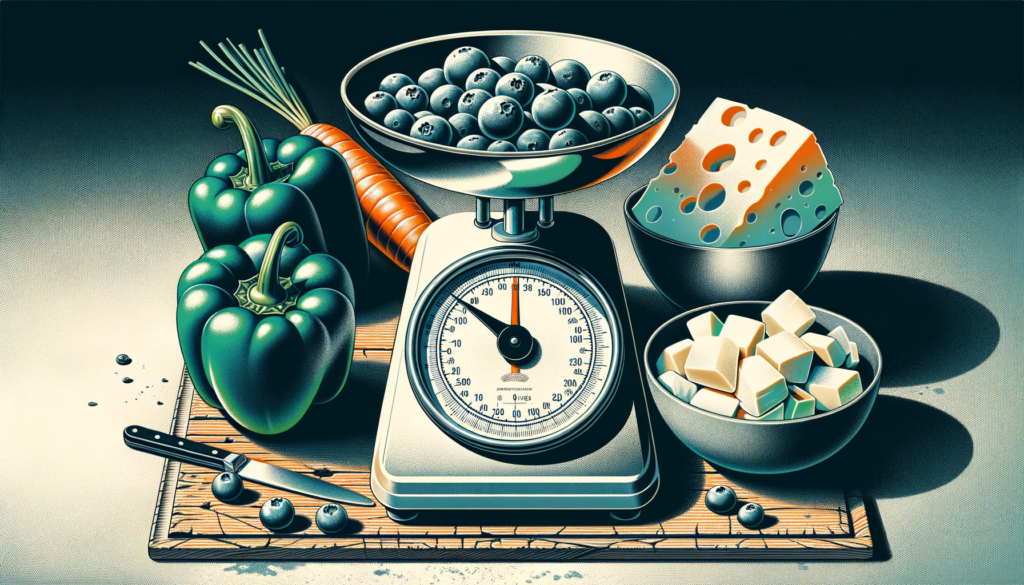
Freezing 101: What You Can and Cannot Freeze
Did you know that improper freezing can lead to food waste costing an average household over $1,500 annually? Many overlook the art of freezing food effectively to extend shelf life and retain nutrients. Let’s dive into the essentials of what you can and cannot freeze to keep your kitchen efficient and waste-free.
3 min read
In This Article
What Foods Can You Freeze?
Freezing is a fantastic method to extend the life of many foods. Here are some staples that freeze exceptionally well:
- Fruits: Berries, bananas (peeled), and sliced apples.
- Vegetables: Blanched broccoli, peas, and carrots.
- Proteins: Raw or cooked meats and fish.
- Baked goods: Bread, muffins, and cookies.
Can I Freeze Dairy Products?
Yes, but with caution. Hard cheeses like cheddar and grated cheese freeze beautifully. Milk can be frozen but tends to separate; shake it well after thawing. Avoid freezing cream as it may curdle.
Why Can’t Some Foods Be Frozen?
Not all foods are created equal when it comes to the freezer. Here’s why some don’t freeze well:
- High moisture content: Foods like lettuce and cucumbers become mushy.
- Emulsified foods: Mayo, certain sauces, and dressings can separate.
- Soft cheeses: Cream cheese and ricotta turn watery.
Can You Refreeze Thawed Food?
Generally, refreezing isn’t recommended for previously thawed raw food as it risks bacterial growth. However, if the food is cooked after thawing, it becomes safe to refreeze.
Handpicked items you might love
How to Prepare Foods for the Freezer
Preparation is key to keeping your food fresh in the freezer:
- Use airtight containers or zip-top bags.
- Blanch vegetables to stop enzyme action.
- Portion meats to avoid thawing all at once.
| Feature | Blanching Required? | Recommended Storage Time |
|---|---|---|
| Vegetables | Yes | 8-12 months |
| Meats | No | 3-12 months |
| Fruits | No | 6-12 months |
| Verdict | Blanch once, enjoy long! | |
How to Thaw Foods Correctly
The way you thaw can make a difference:
- Refrigerator: Ideal for meats.
- Cold Water: Faster but requires vigilance.
- Microwave: Quick but can start cooking.
Can You Thaw and Cook from Frozen?
Yes, many items like vegetables and seafood can go from freezer to cooking directly, saving time without sacrificing quality.
Best Practices for Maximizing Freezer Efficiency
Maximize efficiency with these tips:
Did You Know? A full freezer is more energy efficient than a half-empty one, as the mass of frozen items helps maintain the temperature when the door opens.
- Keep an inventory: Minimize mystery items.
- Label and date everything: Rotation is key.
- Organize: Use bins and categories.
Which Foods to Freeze? Let’s Find Out!
Leverage this list based on your needs!
You Might Also Like
Embrace the freezer as your ally in waste reduction and convenience. Are you ready to start today? Share your freezing triumphs with us, and don’t forget to check our website for products to aid in your freezing endeavors.
Written by Editorial Team
Our editorial team is dedicated to bringing you the latest insights, tips, and product recommendations.
Advertisement