

How to Make a Grocery List That Saves You Money
Did you know that the average family can save over $1,200 a year by changing how they shop for groceries? Crafting a money-saving grocery list isn’t just about jotting down essentials; it requires strategy and know-how. Whether you’re shopping for a large family or just yourself, this guide will help you build a thoughtful list that stretches your dollars further every week.
4 min read
In This Article
What Is a Money-Saving Grocery List?
A money-saving grocery list is a conscious effort to optimize your shopping by prioritizing needs over wants, capitalizing on sales, and avoiding impulse buys. Within a few tweaks, you can significantly cut down on your grocery bill without sacrificing the essentials.
- Saves money consistently
- Reduces food waste
- Improves meal planning
- Requires planning time
- May limit spontaneous purchases
How to Prioritize Needs vs. Wants?
Understanding the difference between your needs and wants is crucial in creating a cost-effective grocery list. Needs include essential items for meal prep and basic nutritional requirements, while wants are additional purchases that often lead to overspending.
Identify Essential Pantry Staples
Start with items you cannot do without in your kitchen. These may include oil, salt, bread, and a few select seasonings. Ensure your staples are covered before you think of other purchases.
Plan Your Meals Ahead
Meal planning is a powerful tool. Allocate a day to plan your meals for the upcoming week, making sure to create dishes that can be salvaged into the next day’s lunch or dinner.
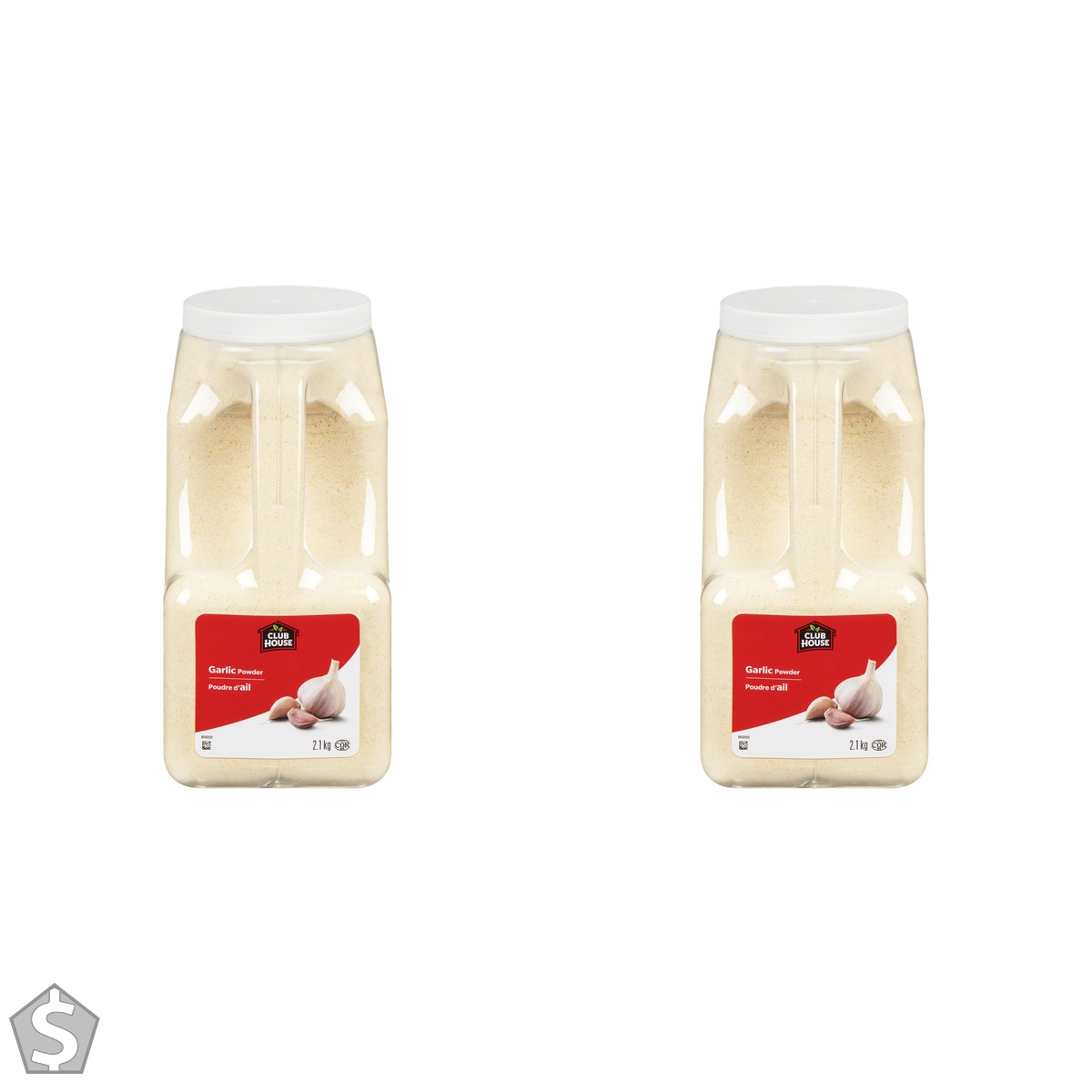
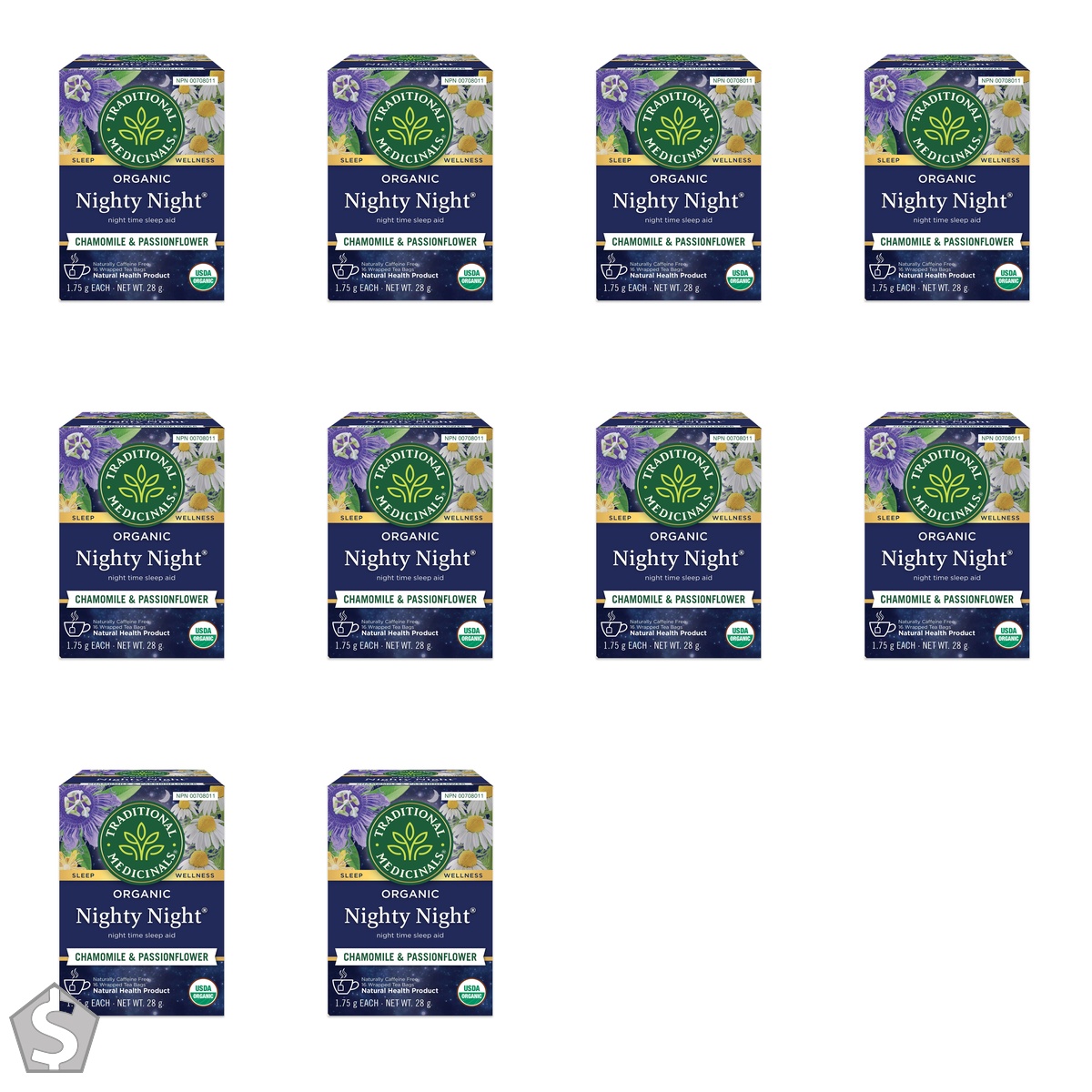
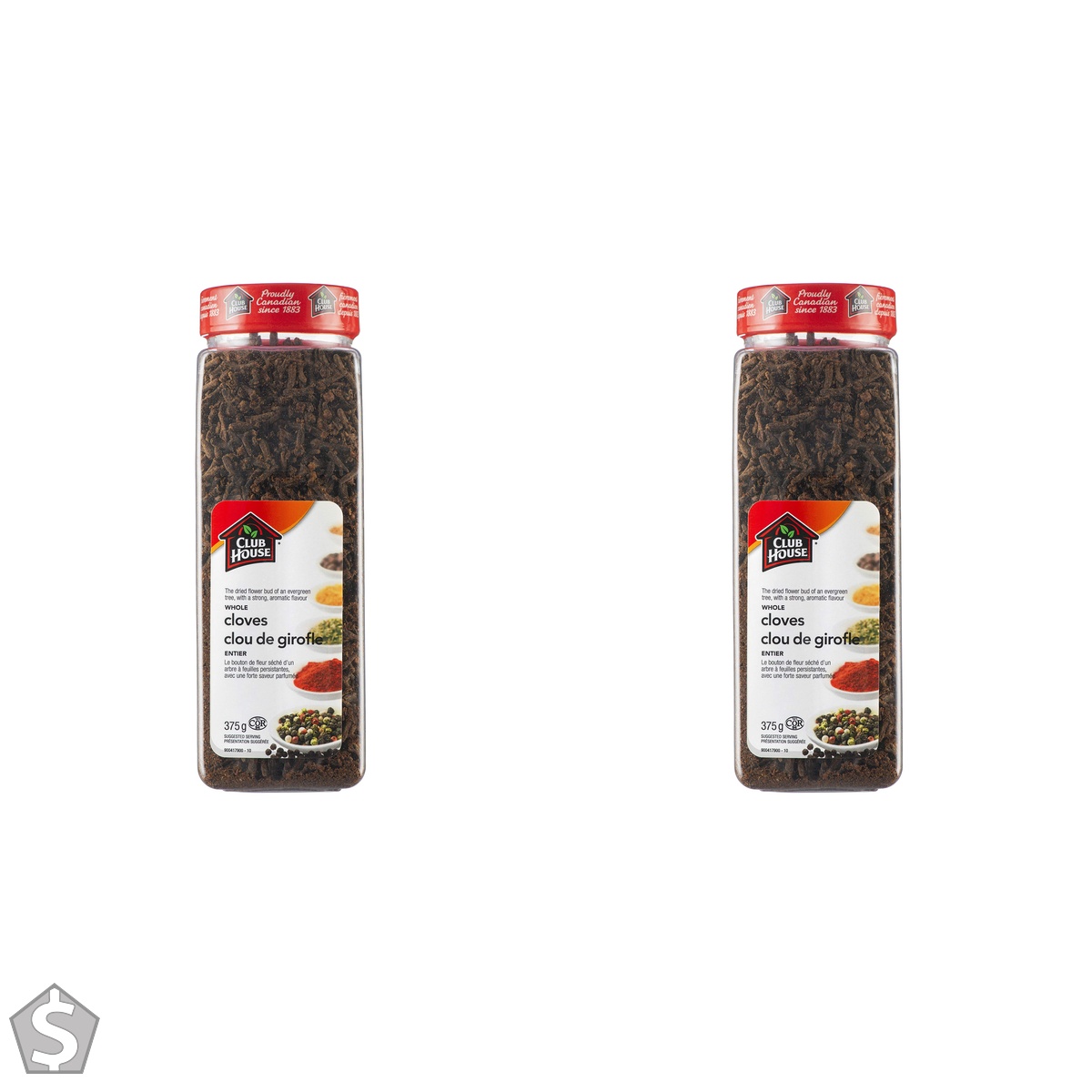
Handpicked items you might love

Are Sale Ads Worth Following?
Using sale ads can indeed be beneficial but needs a cautious approach. If you find products on sale that align with your meal plan, then they can be a great addition to your savings strategy. However, avoid distractions from promo deals that are not part of your planned list.
Utilize Digital Coupons
Many stores offer digital coupons through apps. Integrate these into your planning as these discounts can sometimes cover the cost of an item or provide added value with buy-one-get-one offers.
Compare Prices Before Shopping
Before heading out, spend a few minutes checking and comparing prices online. Most stores now offer online inventories where you can scout deals from the comfort of your home.
How Can Planning Help Prevent Overspending?
Planning is your shield against overspending. With a list based on your meals and pantry needs, you’re less likely to make impulse purchases. Stick strictly to your list when you shop.
- Set a budget and carry cash — or use a grocery-specific card to avoid additional spending.
- Avoid shopping on an empty stomach to prevent buying unneeded items.
- Regularly audit your pantry to prevent buying things you already have.
How to Incorporate Seasonal Choices?
Seasonal fruit and vegetables not only taste better but are often cheaper. Incorporate this advantage into your list by being flexible with your meal plans to leverage the best seasonal products.
Did You Know? According to a 2024 study, households that focus on buying in-season produce save up to 15% on their annual grocery bills.
Should You Buy in Bulk?
Buying in bulk can be cost-effective but isn’t always the golden rule. Evaluate your household’s consumption levels and storage capabilities before deciding.
Evaluate Non-Perishable Items
Non-perishable items and goods with long shelf lives, such as canned goods, rice, and pasta, are often worth buying in bulk.
Avoid Bulk for Perishable Goods
Perishable goods like fresh produce and dairy should only be bought in amounts that match your weekly consumption to prevent waste.
You Might Also Like
Now that you’re equipped with these strategies, it’s time to put them into action on your next shopping trip. Consider exploring our grocery section for products that align with your carefully crafted list. And don’t forget to share your own tips and experiences in the comments below!
Written by Editorial Team
Our editorial team is dedicated to bringing you the latest insights, tips, and product recommendations.
Advertisement