
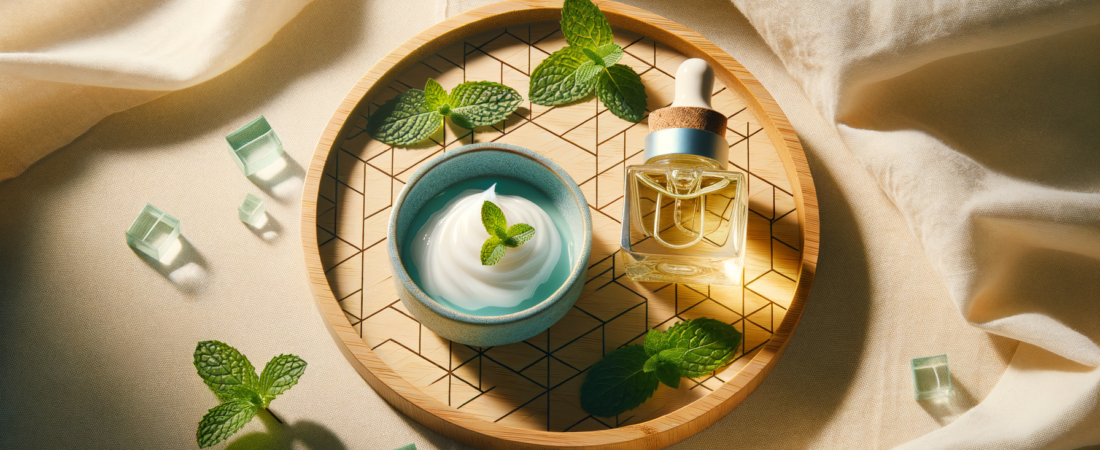
AHA vs BHA: Find Your Perfect Skin Exfoliant
Did you know that over 71% of consumers struggle to identify the right exfoliant for their skin type? Finding the perfect match between your skin and a chemical exfoliant can feel trickier than ever with AHAs and BHAs taking the market by storm. But fear not! With this guide, you’ll be equipped to make the best choice for your unique skin.
3 min read
In This Article
Understanding Exfoliants: AHA and BHA Basics
Both AHAs (Alpha Hydroxy Acids) and BHAs (Beta Hydroxy Acids) are powerful exfoliants that enhance skin texture and quality. By sloughing off dead skin cells, they reveal a fresher, more radiant complexion. But they operate in different ways, leading to distinct skincare benefits.
AHAs, primarily water-soluble acids like glycolic and lactic acid, work on the surface of the skin — ideal for tackling issues like sun damage or uneven texture.
- Glycolic Acid: Known for its tiny molecular size, it penetrates deeply, effectively clarifying and brightening the skin.
- Lactic Acid: Gentler than glycolic acid, making it a better choice for sensitive skin types.
Unlike AHAs, BHAs are oil-soluble, meaning they can penetrate deeply into pores to unclog them, making them a favored option for treating acne and blackheads.
AHA: Is It Right for Your Skin?
Glimmering with promise, AHAs cater well to dry and sun-damaged skin types. Their hydrating properties can leave skin feeling soft and plump, making them particularly beneficial for mature skin.
However, it’s important to start slow — think once or twice per week — and pay attention to how your skin reacts.
Apply SPF daily to prevent sun damage.
Remember, AHA use can heighten sun sensitivity by up to 50%, necessitating vigilant sunscreen use for protection.
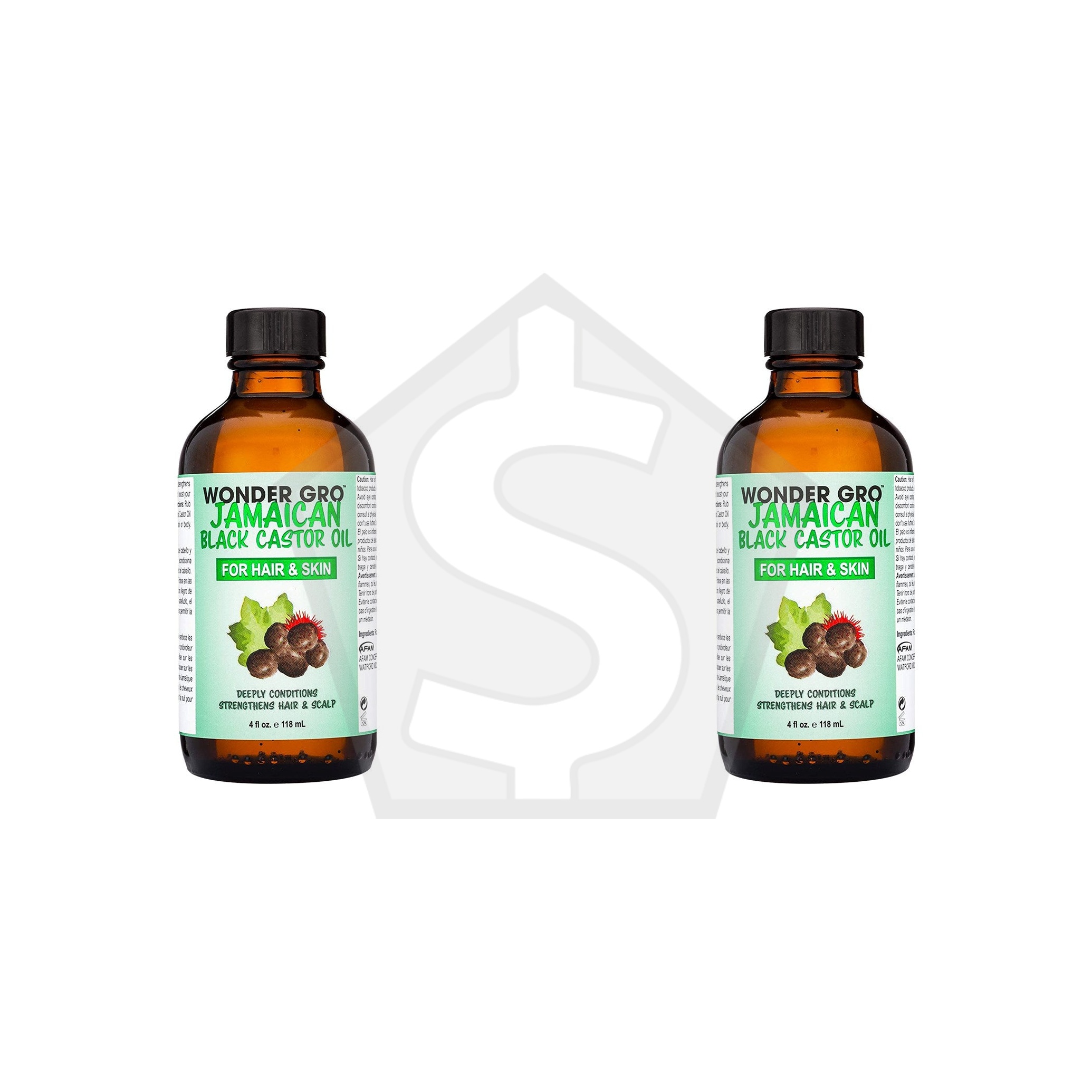
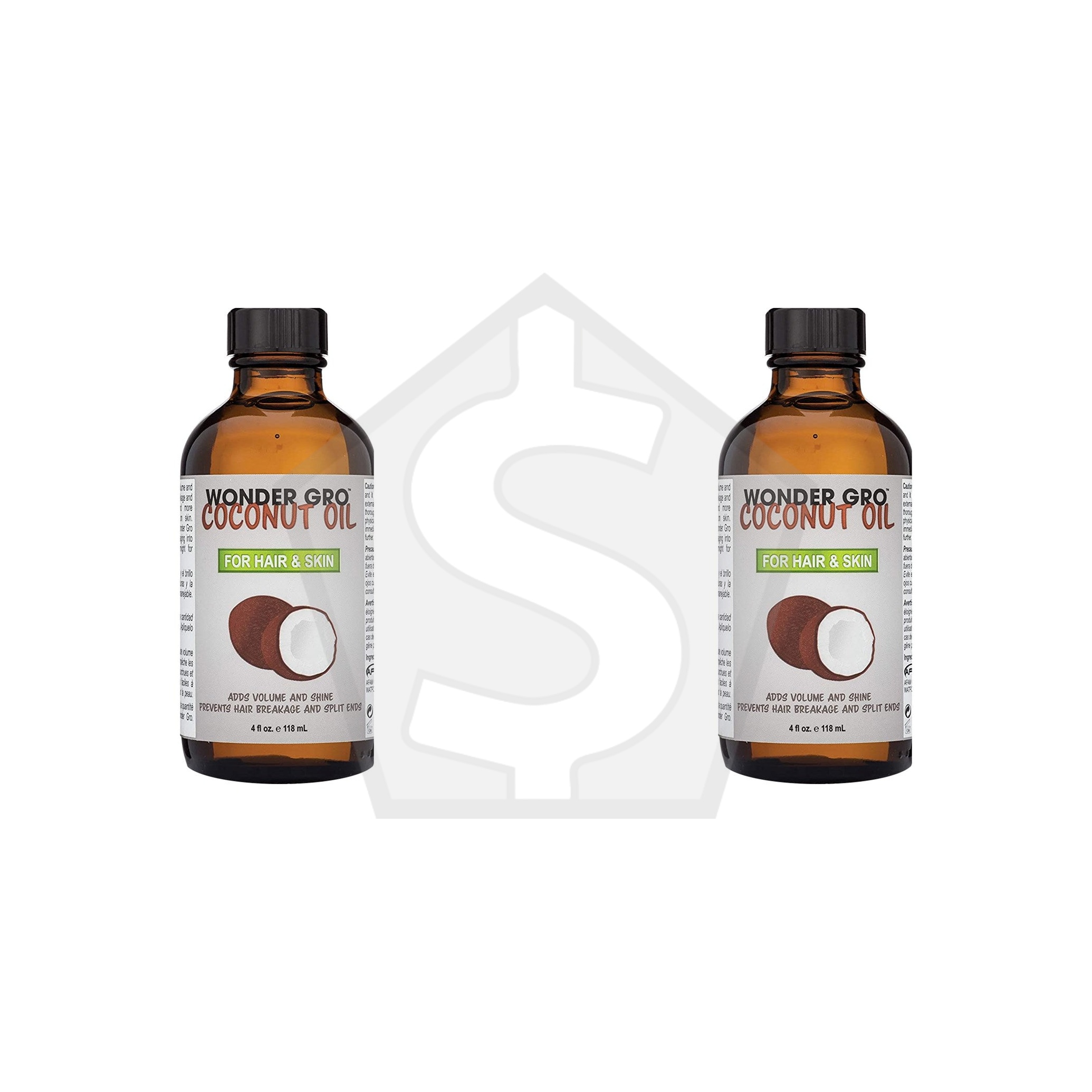
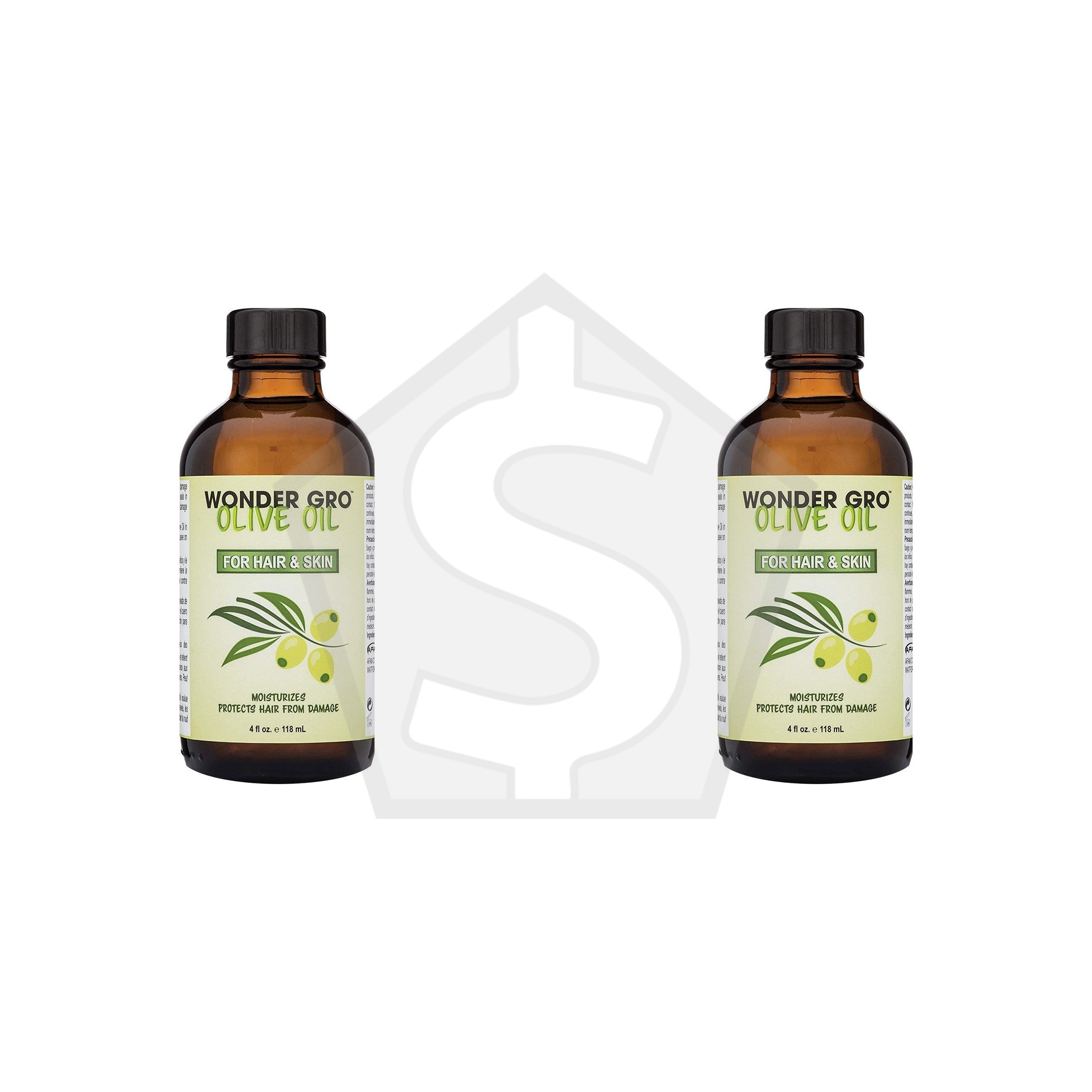
Handpicked items you might love
BHA: Deep Clean Benefits for Oily Skin
If your skin feels perpetually greasy or suffers frequent breakouts, BHA may be your skin’s best friend. With salicylic acid as the most common BHA, these exfoliants target deep within the skin’s surface to clear pores.
Did You Know? BHAs can alleviate redness and soothe skin due to their anti-inflammatory properties, making them excellent for sensitive, acne-prone skin.
- Salicylic Acid: Reduces oil production while exfoliating away dead skin cells.
Use 2% salicylic product for effective results, and watch your skin’s balance improve over weeks of consistent use.
Combining AHA and BHA: The Best of Both Worlds
Wondering if you can benefit from both? Absolutely! Some skin types thrive on a regimen incorporating both AHAs and BHAs, depending on what the skin needs.
- Consider alternating nights for their application to minimize irritation.
- Pair AHA with hydrating serums during dry seasons.
- Utilize BHA when battling pore congestion or during humid months.
So, listen to your skin. If irritation occurs, scale back and adjust your schedule accordingly.
Checklist: Choosing Your Chemical Exfoliant
Identify your skin type and concerns.
Start with low concentrations and gradually increase.
Be patient—a change usually takes several weeks.
Routine Planner
- Day 1: AHA application, followed by rich moisturizer.
- Day 2: BHA application, lighter hydrator, SPF.
- Day 3: Rest day — focus on hydration.
- Day 4: Repeat cycle.
Your journey to healthier skin just became simpler with this guide to AHAs and BHAs! Remember to prioritize your skin’s needs and cues. By doing so, you’ll be flaunting a fresh, radiant complexion in no time.
You Might Also Like
Explore our curated selection of AHA and BHA products today and share your exfoliant experiences below. Your skin, your rules!
Written by Editorial Team
Our editorial team is dedicated to bringing you the latest insights, tips, and product recommendations.