
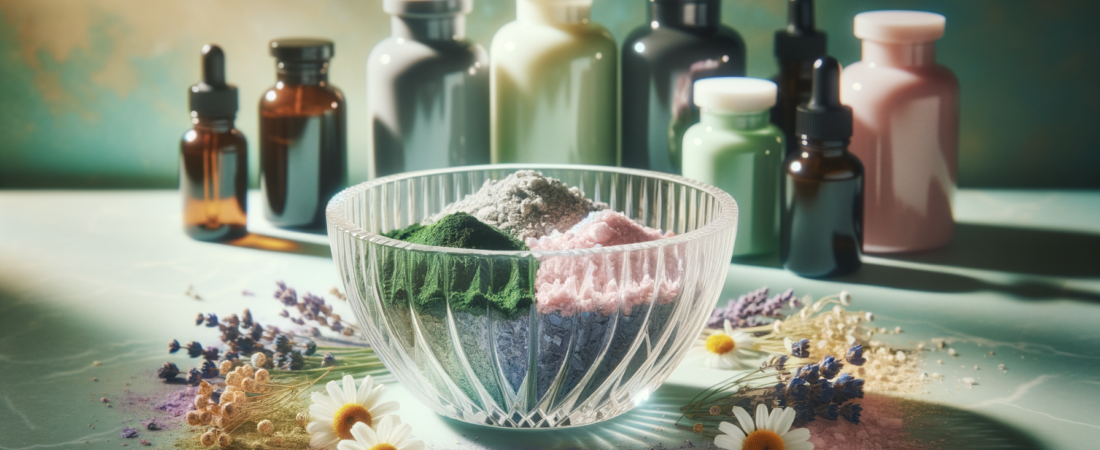
Hormonal acne can feel like an uphill battle, especially when it appears seemingly out of nowhere or persists well into adulthood. Unlike typical teenage breakouts, hormonal acne follows your body’s natural hormone fluctuations and requires a targeted approach. The good news? Dermatologists have identified specific ingredients that can effectively tackle this stubborn skin concern.
6 min read
In This Article
- Understanding Hormonal Acne: The Science Behind the Breakouts
- Retinoids: The Gold Standard for Hormonal Acne Treatment
- Salicylic Acid: The Pore-Penetrating Powerhouse
- Niacinamide: The Multi-Benefit Inflammation Fighter
- Benzoyl Peroxide: The Bacteria-Busting Champion
- Azelaic Acid: The Gentle Yet Effective Alternative
- Creating Your Dermatologist-Approved Hormonal Acne Routine
Understanding which ingredients actually work—and why—can save you time, money, and frustration in your skincare journey. Let’s dive into the dermatologist-recommended ingredients that have proven track records for managing hormonal acne.
Understanding Hormonal Acne: The Science Behind the Breakouts
Before exploring treatment options, it’s crucial to understand what sets hormonal acne apart. This type of acne typically occurs when androgens (male hormones present in all genders) stimulate sebaceous glands to produce excess oil. The result? Clogged pores, inflammation, and those deep, painful cysts that seem to take forever to heal.
Hormonal acne commonly affects:
- Women during menstrual cycles, pregnancy, or menopause
- Adults dealing with stress-related hormone imbalances
- Individuals with conditions like PCOS (polycystic ovary syndrome)
- People experiencing hormonal changes due to medications
The key to successful treatment lies in choosing ingredients that address multiple aspects of hormonal acne: excess oil production, bacterial overgrowth, inflammation, and cellular turnover.
Retinoids: The Gold Standard for Hormonal Acne Treatment
When dermatologists discuss hormonal acne treatment, retinoids consistently top the list. These vitamin A derivatives are considered the gold standard for good reason—they tackle acne through multiple mechanisms.
How Retinoids Work:
- Accelerate cellular turnover to prevent pore clogging
- Reduce inflammation and redness
- Normalize oil production over time
- Prevent new breakouts while treating existing ones
Types of Retinoids:
Prescription Options: Tretinoin, adapalene (now available OTC), and tazarotene offer the strongest results but may cause initial irritation.
Over-the-Counter Alternatives: Retinol and retinyl palmitate provide gentler introduction to retinoid therapy, perfect for sensitive skin.
Clinical studies show that 76% of patients using tretinoin for 12 weeks experienced significant improvement in hormonal acne lesions, making it a dermatologist favorite for long-term management.
Handpicked items you might love
Salicylic Acid: The Pore-Penetrating Powerhouse
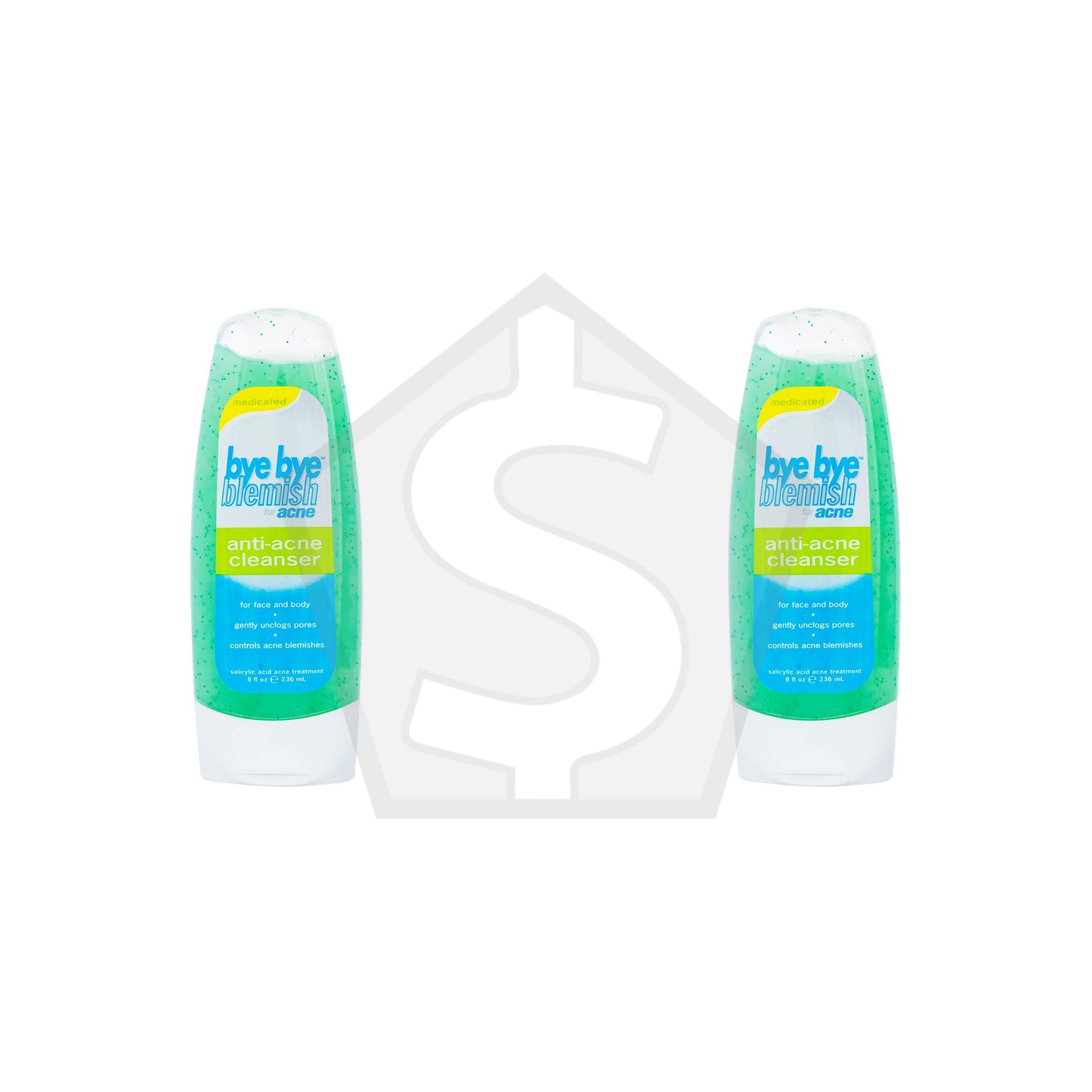
Salicylic acid, a beta-hydroxy acid (BHA), deserves special recognition for its unique ability to penetrate oil-filled pores—exactly what hormonal acne sufferers need.
Why Dermatologists Recommend Salicylic Acid:
- Oil-soluble properties allow deep pore penetration
- Exfoliates inside pores, preventing comedones
- Anti-inflammatory properties reduce redness
- Gentle enough for daily use
Dr. Joshua Zeichner, Director of Cosmetic and Clinical Research at Mount Sinai Hospital, emphasizes that salicylic acid’s ability to “dissolve the glue holding dead skin cells together” makes it particularly effective for preventing the clogged pores that characterize hormonal acne.
Optimal Concentrations:
- Daily use: 0.5-1% concentration
- Spot treatments: 2% concentration
- Professional peels: 15-30% (dermatologist-administered only)
Niacinamide: The Multi-Benefit Inflammation Fighter
Niacinamide, also known as vitamin B3, has gained significant attention from dermatologists for its impressive multi-tasking abilities in treating hormonal acne without irritation.
Dermatologist-Proven Benefits:
- Reduces sebum production by up to 35% in clinical studies
- Minimizes inflammation and redness
- Strengthens skin barrier function
- Compatible with other acne-fighting ingredients
- Suitable for sensitive skin types
Research published in the Journal of Cosmetic Dermatology found that 5% niacinamide significantly reduced acne lesions and improved skin texture after 8 weeks of use. What makes niacinamide particularly valuable for hormonal acne is its ability to regulate sebum production without causing dryness or irritation.
Why Dermatologists Love Niacinamide:
Unlike more aggressive treatments, niacinamide works gently to restore skin balance. It’s particularly beneficial for adults dealing with hormonal acne who may also be concerned about signs of aging or have developed sensitive skin over time.
Benzoyl Peroxide: The Bacteria-Busting Champion
Benzoyl peroxide remains a dermatologist staple for hormonal acne treatment due to its powerful antibacterial properties and ability to prevent antibiotic resistance.
How Benzoyl Peroxide Targets Hormonal Acne:
- Kills P. acnes bacteria that thrive in oil-rich environments
- Provides keratolytic action to unclog pores
- Delivers oxygen to anaerobic bacteria, disrupting their environment
- Prevents bacterial resistance when used alone or with antibiotics
Dr. Marnie Nussbaum, a board-certified dermatologist, notes that benzoyl peroxide’s dual action—both antibacterial and keratolytic—makes it particularly effective for the deep, infected lesions characteristic of hormonal acne.
Concentration Guidelines:
- Sensitive skin: 2.5% concentration
- Normal to oily skin: 5-10% concentration
- Spot treatments: Up to 10% for stubborn lesions
Azelaic Acid: The Gentle Yet Effective Alternative
Azelaic acid has emerged as a dermatologist-recommended ingredient that’s particularly beneficial for those who can’t tolerate harsher treatments or have sensitive skin alongside hormonal acne.
Unique Benefits of Azelaic Acid:
- Antimicrobial properties target acne-causing bacteria
- Reduces post-inflammatory hyperpigmentation
- Gentle exfoliation without irritation
- Anti-inflammatory effects soothe existing breakouts
- Safe for use during pregnancy
Clinical studies demonstrate that 20% azelaic acid cream is as effective as 0.05% tretinoin cream for treating acne, making it an excellent option for those seeking results without retinoid side effects.
Why It Works for Hormonal Acne:
Azelaic acid’s ability to normalize keratinization (the process of skin cell turnover) helps prevent the formation of comedones that are exacerbated by hormonal fluctuations. Additionally, its anti-inflammatory properties help manage the redness and sensitivity often associated with adult hormonal acne.
Creating Your Dermatologist-Approved Hormonal Acne Routine
Successfully managing hormonal acne requires strategic layering of these ingredients. Here’s how dermatologists recommend building an effective routine:
Morning Routine:
- Gentle cleanser with salicylic acid (0.5-1%)
- Niacinamide serum (4-5%)
- Lightweight, non-comedogenic moisturizer
- Broad-spectrum SPF 30+ sunscreen
Evening Routine:
- Gentle cleanser
- Retinoid treatment (start 2-3x weekly)
- Azelaic acid or benzoyl peroxide (alternate nights)
- Hydrating moisturizer
Key Success Factors:
- Start slowly with active ingredients to build tolerance
- Maintain consistency—hormonal acne requires ongoing management
- Don’t skip moisturizer, even with oily, acne-prone skin
- Consider professional guidance for severe cases
You Might Also Like
Remember, hormonal acne treatment is a marathon, not a sprint. Working with a dermatologist can help you customize this approach based on your specific skin needs, hormone levels, and lifestyle factors. The ingredients discussed here have strong scientific backing and dermatologist endorsement, making them excellent starting points for your hormonal acne management journey.
Written by Editorial Team
Our editorial team is dedicated to bringing you the latest insights, tips, and product recommendations.