
- ☑ Avoid soggy vegetables with these simple techniques
- ☑ Perfectly season your dishes every time
- ☑ Learn the art of cooking pasta al dente
- ☑ Fix common baking errors with basic pantry staples
Did you know that up to 50% of beginner cooks make common cooking mistakes that can easily be fixed? Whether you’re burning your veggies or overcooking pasta, we’ve got you covered. Let’s dive into the nuances of these kitchen conundrums, so you can elevate your culinary skills with ease.
3 min read
In This Article
Why Do Vegetables Turn Soggy?
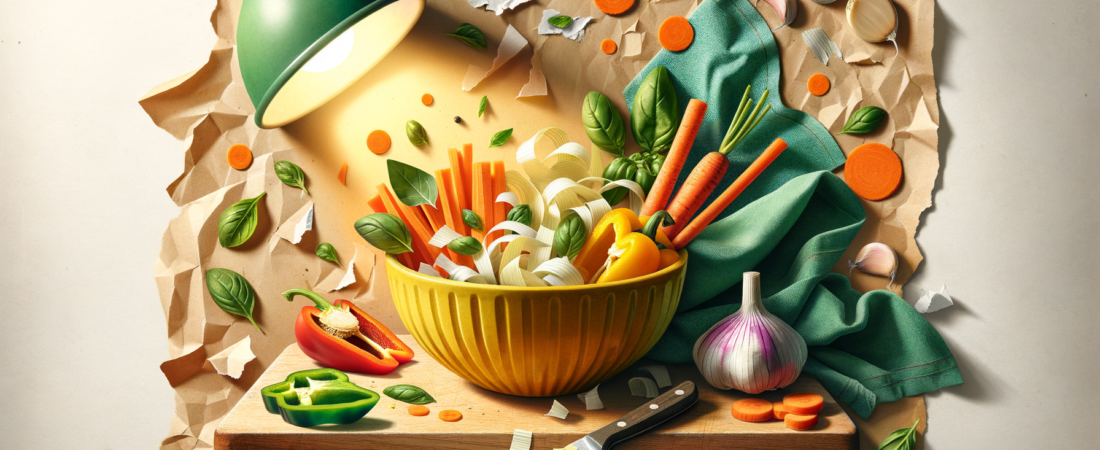
The dreaded soggy vegetable is an all-too-familiar adversary for beginners. Cooking with high humidity or overcrowded pans often results in drab, limp greens. The fix? Ensure your vegetables are well-spread out and dry before cooking.
Preheat your cooking surface to high heat before adding vegetables. This seals in moisture and maintains crispness.
Opt for oils with a higher smoke point like avocado or grapeseed oil for even cooking.
How to Season Dishes Perfectly
Many beginner cooks struggle with seasoning, either over or underestimating the right amounts. The key is to taste as you cook and adjust gradually.
Is It Possible to Save an Over-Seasoned Dish?
Yes, it is! Add unsalted elements like cooked grains or potatoes to absorb excess salt or spice.
Handpicked items you might love
Why Is My Pasta Overcooked?
Cooking pasta to perfection can be tricky. A recent survey shows that 40% of home cooks struggle with overcooked pasta. Pasta should be al dente: firm when bitten but not crunchy.
Begin tasting your pasta a couple of minutes before the package’s suggested time to ensure the perfect texture.
How to Fix Common Baking Errors
Baking is a science, and small errors can lead to big mishaps. The key is understanding the role of each ingredient and common substitutions.
What Can I Do If My Cake Is Dense?
If your cake turns out dense, it’s often due to overmixing or using cold ingredients. Next time, ensure your butter and eggs are at room temperature before mixing.
Sift dry ingredients like flour, baking powder, and cocoa to aerate and remove lumps, resulting in a lighter, fluffier texture.
Concluding Thoughts
You Might Also Like
Embracing these simple cooking fixes can revolutionize how you approach each meal. You’ve got the basics of mastering the kitchen—time to turn those common missteps into delicious successes. Don’t forget to check out our recipe collections and share your newfound expertise with fellow culinary enthusiasts. Happy cooking!
Written by Editorial Team
Our editorial team is dedicated to bringing you the latest insights, tips, and product recommendations.