
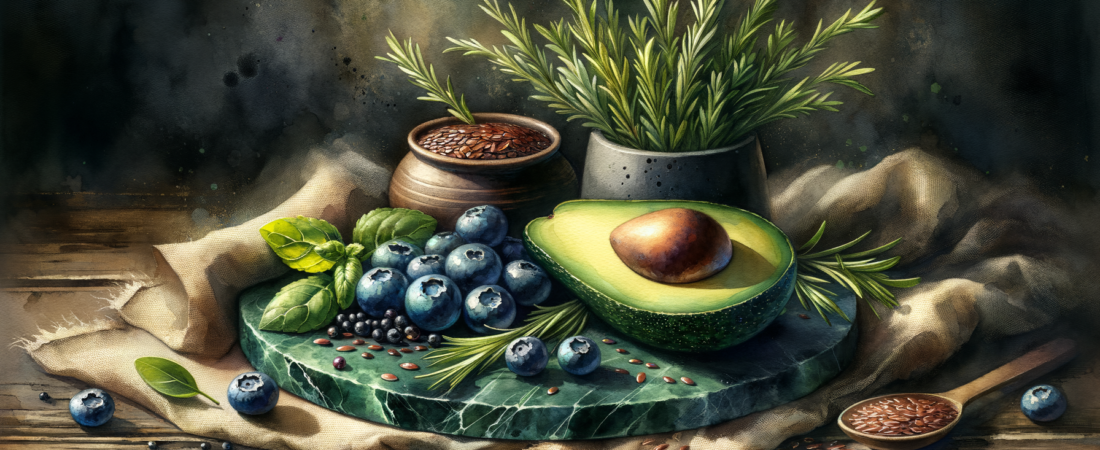
Best Diet Practices to Boost Hair and Scalp Health
Would you believe that what you eat can significantly impact your hair’s look and feel, sometimes even more than the products you apply? According to a 2024 study, many common hair issues can be traced back to dietary choices. Whether it’s dull hair, slow growth, or an itchy scalp, the solution might just lie in simple tweaks to your diet.
4 min read
In This Article
Improve hair health by focusing on a balanced diet rich in essential nutrients. By understanding which vitamins and minerals play a pivotal role in hair care, you can improve not just the appearance but the overall health of your hair and scalp.
How Does Diet Affect Your Hair and Scalp?
Your diet impacts hair health primarily through nutrients that strengthen hair and nourish the scalp. Proteins, vitamins, minerals, and fatty acids are crucial for maintaining the structure of your hair and the health of your scalp.
Hair is primarily made up of keratin, a protein. A diet lacking in protein can lead to weakened hair structure and slower growth!
Consider incorporating foods like eggs, fish, nuts, and seeds which are high in these essential nutrients to fortify your hair naturally.
Which Nutrients Are Essential for Hair Growth?
Protein: Building Blocks of Hair
Protein is essential for hair strength and growth. Lack of protein can lead to dry, brittle hair and even hair loss. Ensure your diet includes lean meats, beans, and dairy to support healthy hair growth.
Iron and Zinc: Mighty Minerals
Iron helps red blood cells carry oxygen to your hair follicles, boosting growth. Zinc supports hair tissue growth and repair. Foods high in iron like spinach and nuts rich in zinc are excellent additions to your diet.
For better iron absorption, pair iron-rich foods with vitamin C sources like oranges or strawberries.
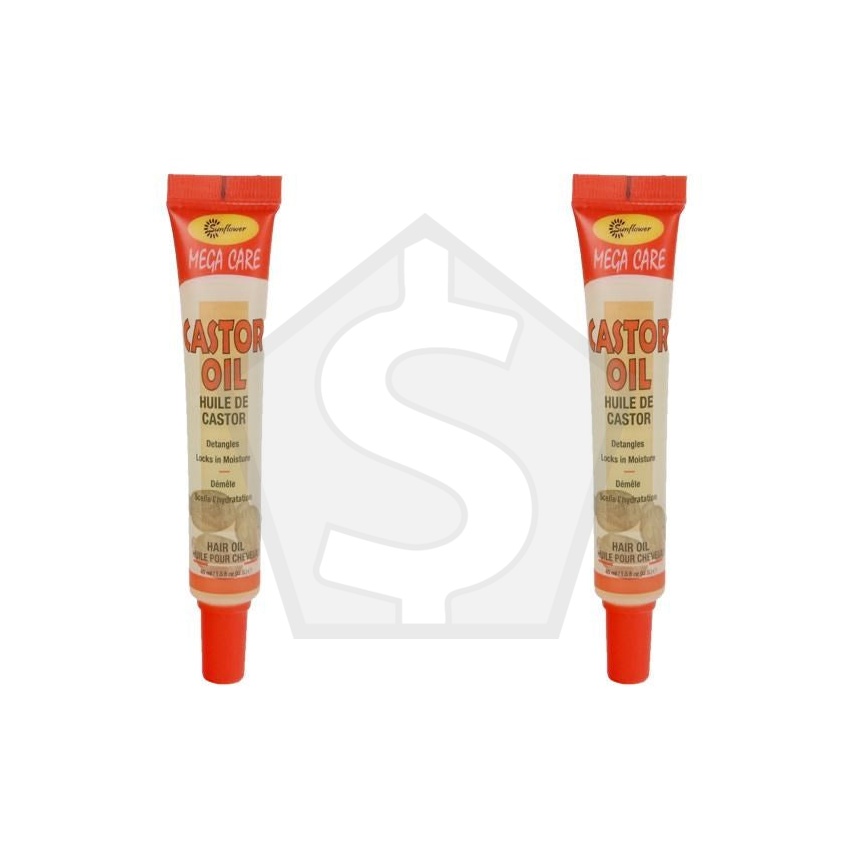
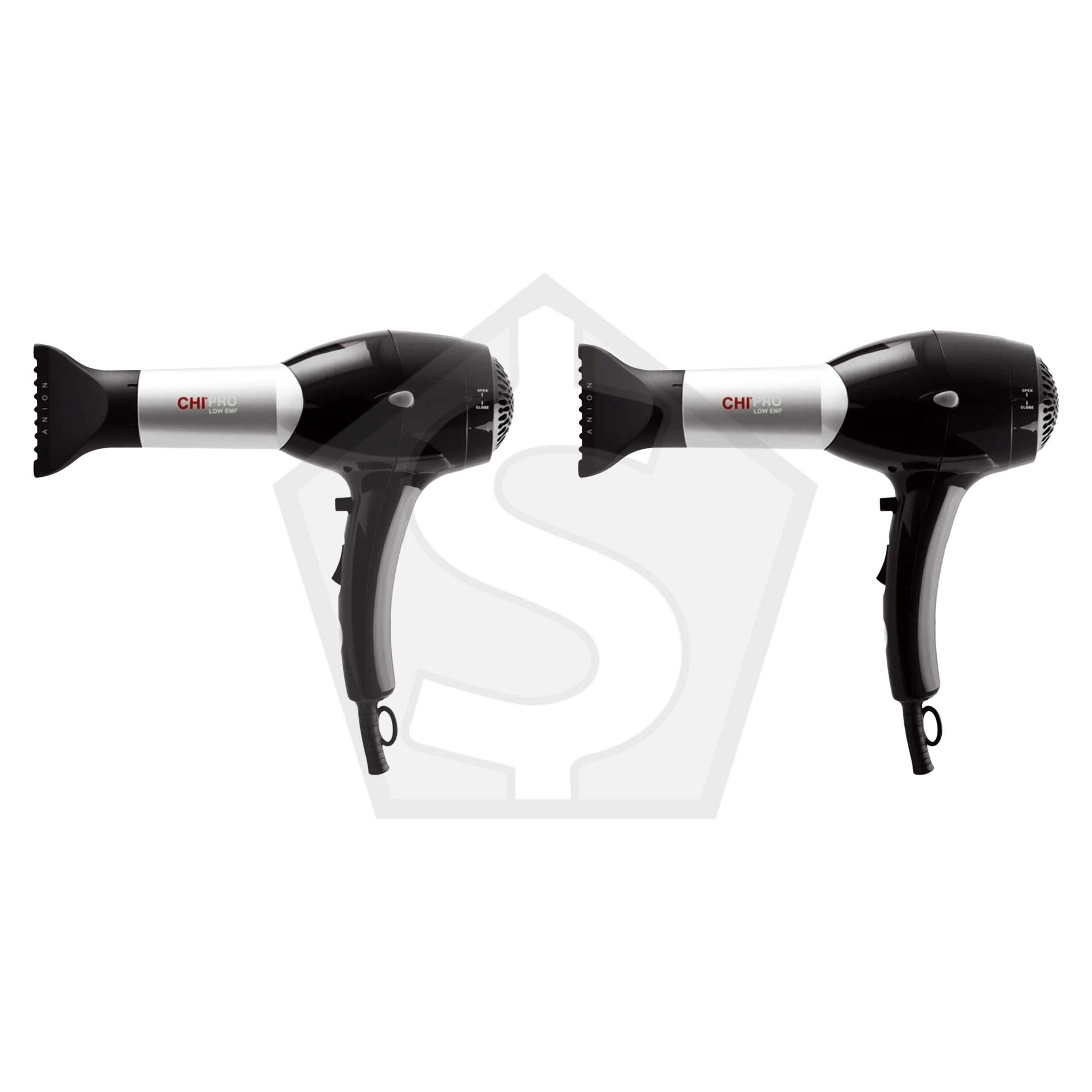
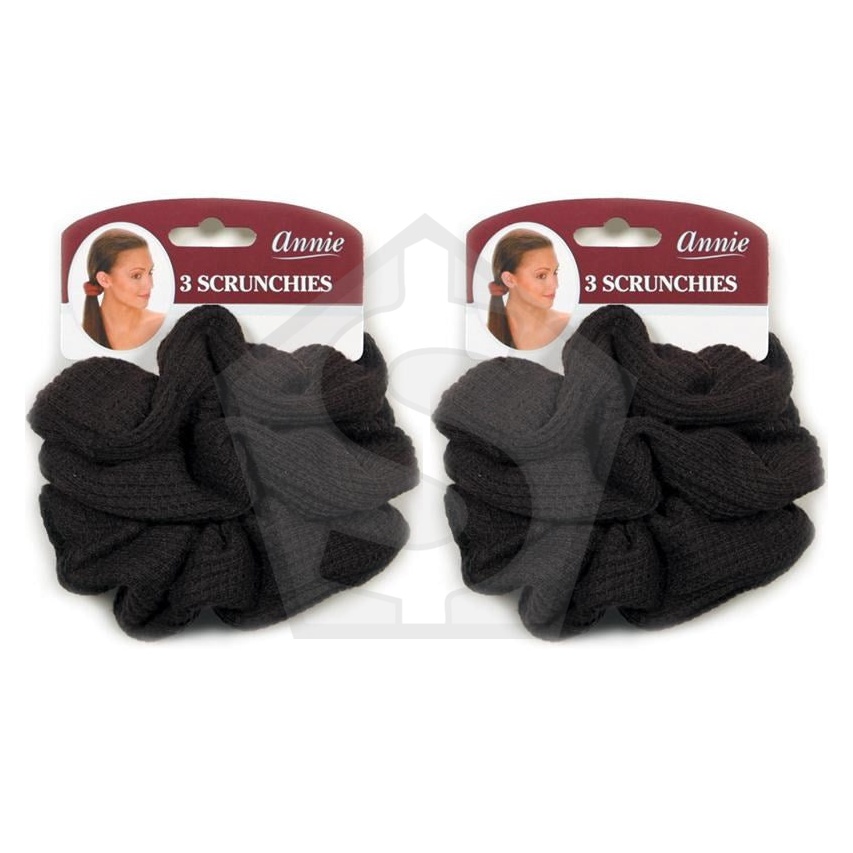
Handpicked items you might love
Can Fatty Acids Promote a Healthy Scalp?
Fatty acids, particularly Omega-3s, play a crucial role in maintaining scalp health and promoting hair growth. These are found in abundance in oily fish, walnuts, and flax seeds. They help reduce inflammation and nourish hair follicles.
For vegetarians or those who don’t eat fish, flaxseed oil, chia seeds, and walnuts provide excellent sources of Omega-3s.
What Vitamins Are Vital for Shiny, Strong Hair?
Vitamin A and C for Scalp Health
Vitamin A helps produce sebum, a necessary oil for moisturizing the scalp. Meanwhile, Vitamin C assists in the production of collagen, a key part of hair structure. Sweet potatoes, carrots, and citrus fruits can supply a dose of these vitamins.
Vitamin D: The Sunshine Nutrient
Deficiency in Vitamin D is linked to hair loss. This vitamin stimulates hair follicles, and you can boost your levels by spending some time in the sun, or eating fortified foods and fatty fish.
Introduce vitamin-rich smoothies into your morning routine. Blend spinach, strawberries, and oranges for a delicious nutrient boost.
Can Your Diet Prevent Scalp Issues?
Nourishing your scalp goes beyond topical treatments—your diet plays a fundamental role. A balanced intake of the right nutrients can reduce scalp issues like dandruff and dryness while promoting strong, healthy roots.
- Hydration: Drinking enough water promotes overall scalp health.
- Avoid Excess Sugar: It can lead to imbalances that trigger scalp irritation.
- Include Selenium: Found in Brazil nuts, it helps with scalp health by supporting antioxidants.
Consider herbal teas like chamomile for their soothing properties that can support a calm, itch-free scalp.
Are Supplements Necessary for Hair Health?
While a well-rounded diet is the best approach, some might consider supplements to fill nutritional gaps. Biotin, silica, and collagen supplements are popular for promoting hair health.
Before starting any supplement, consult with a healthcare provider to ensure they align with your personal health needs.
Natural Sources vs Supplements
Although supplements can aid in reaching nutrition goals, obtaining nutrients naturally should always be the priority because of the added benefits from the whole food sources.
The best pantry staples for hair health include salmon, almonds, spinach, and eggs. Keep these on your grocery list!
Remember, holistic health begins with a balanced diet. Invest in your hair from the inside out with these dietary adjustments. Embrace these snackable tidbits, because beauty truly starts from within.
You Might Also Like
Have you tried any of these diet tips and noticed a difference? We’d love to hear your experiences! Check out our hair care product range to complement your healthy lifestyle changes.
Diet impacts hair health through nutrient intake.
2
Key nutrients: protein, iron, zinc, Omega-3s.
3
Supplements can support, but food first.
Written by Editorial Team
Our editorial team is dedicated to bringing you the latest insights, tips, and product recommendations.