

If you’re navigating the world of retinoids, you’ve probably wondered whether you should start with drugstore retinol or jump straight to prescription-strength options. This choice can make or break your skincare journey, affecting everything from your budget to your skin’s tolerance and results.
6 min read
In This Article
Understanding the differences between over-the-counter retinol and prescription retinoids is crucial for making the right decision for your skin type, concerns, and lifestyle. Let’s dive deep into what you need to know to choose the best retinoid path for your skincare goals.
Understanding the Retinoid Family Tree
Before comparing drugstore and prescription options, it’s essential to understand that “retinol” is just one member of the retinoid family. All retinoids are derivatives of vitamin A, but they vary significantly in potency and how your skin processes them.
💡 Key Insight
Retinoid Conversion Process: Over-the-counter retinol must be converted by your skin into retinoic acid (the active form) through multiple steps, while prescription retinoids like tretinoin are already in their active form.
Drugstore retinol products typically contain retinyl palmitate, retinol, or retinyl acetate. These ingredients are gentler because they require your skin to convert them into retinoic acid through enzymatic processes. This conversion makes them less potent but also more tolerable for beginners.
Prescription retinoids include tretinoin (Retin-A), adapalene (Differin), and tazarotene (Tazorac). These are already in their active form or convert more directly, making them significantly more potent and faster-acting than their over-the-counter counterparts.
Potency and Effectiveness Comparison
The most significant difference between drugstore retinol and prescription retinoids lies in their potency and speed of results. Understanding these differences helps set realistic expectations for your skincare journey.
Drugstore Retinol Strengths:
- Typically ranges from 0.01% to 1% retinol concentration
- Results become visible after 8-12 weeks of consistent use
- Gentler on sensitive skin types
- Lower risk of severe irritation or “retinoid uglies”
Prescription Retinoid Potency:
- Tretinoin ranges from 0.025% to 0.1% (but remember, this is already active retinoic acid)
- Results may be visible within 4-6 weeks
- More effective for severe acne and advanced signs of aging
- Higher risk of initial irritation and adjustment period
⚠️ Important Note
You cannot directly compare percentages between retinol and tretinoin. A 0.025% tretinoin cream is significantly more potent than a 1% retinol serum due to bioavailability differences.
Research shows that prescription tretinoin is approximately 20 times more potent than over-the-counter retinol at similar concentrations. This doesn’t mean prescription is always better – it means you need to consider your skin’s needs and tolerance carefully.
Handpicked items you might love
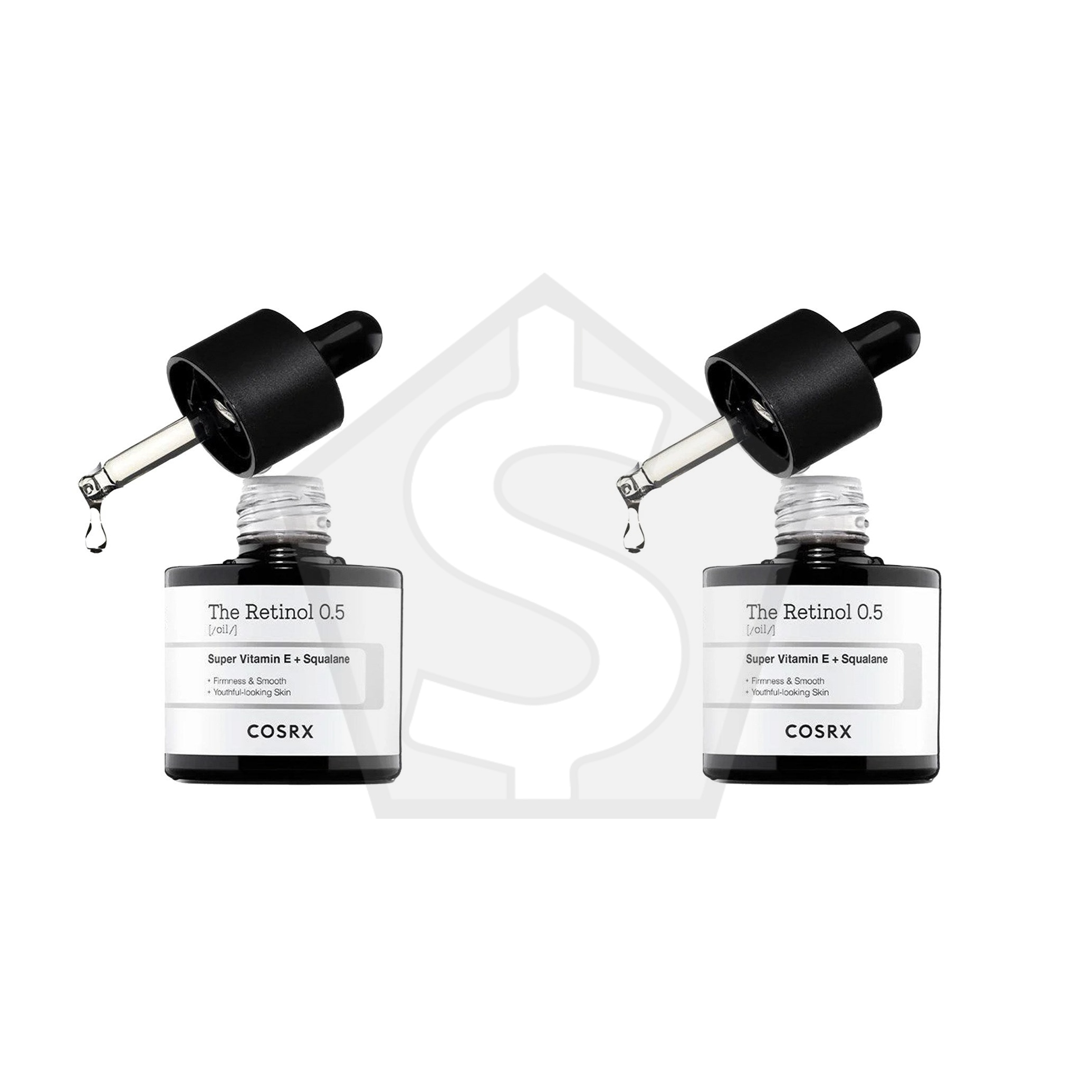
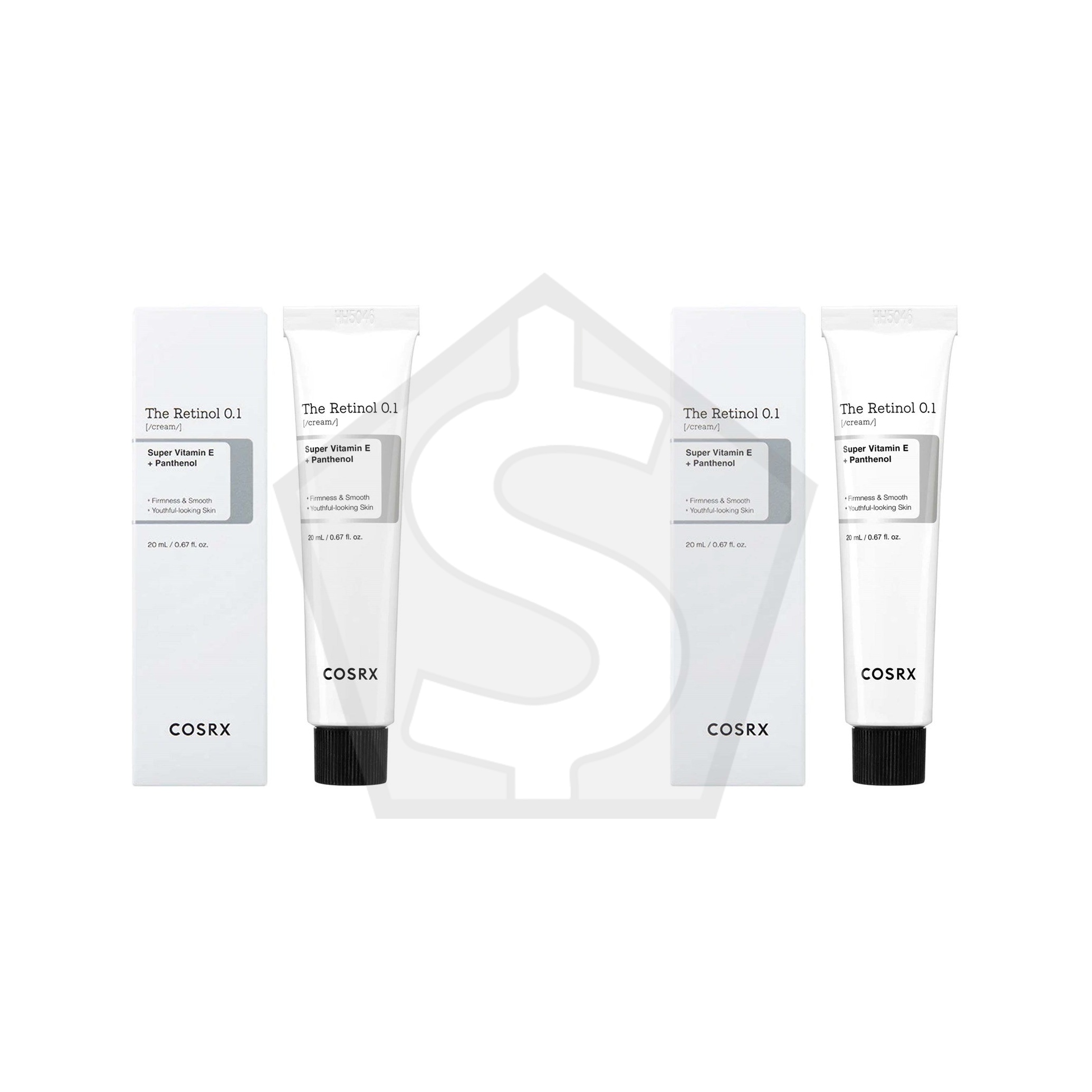
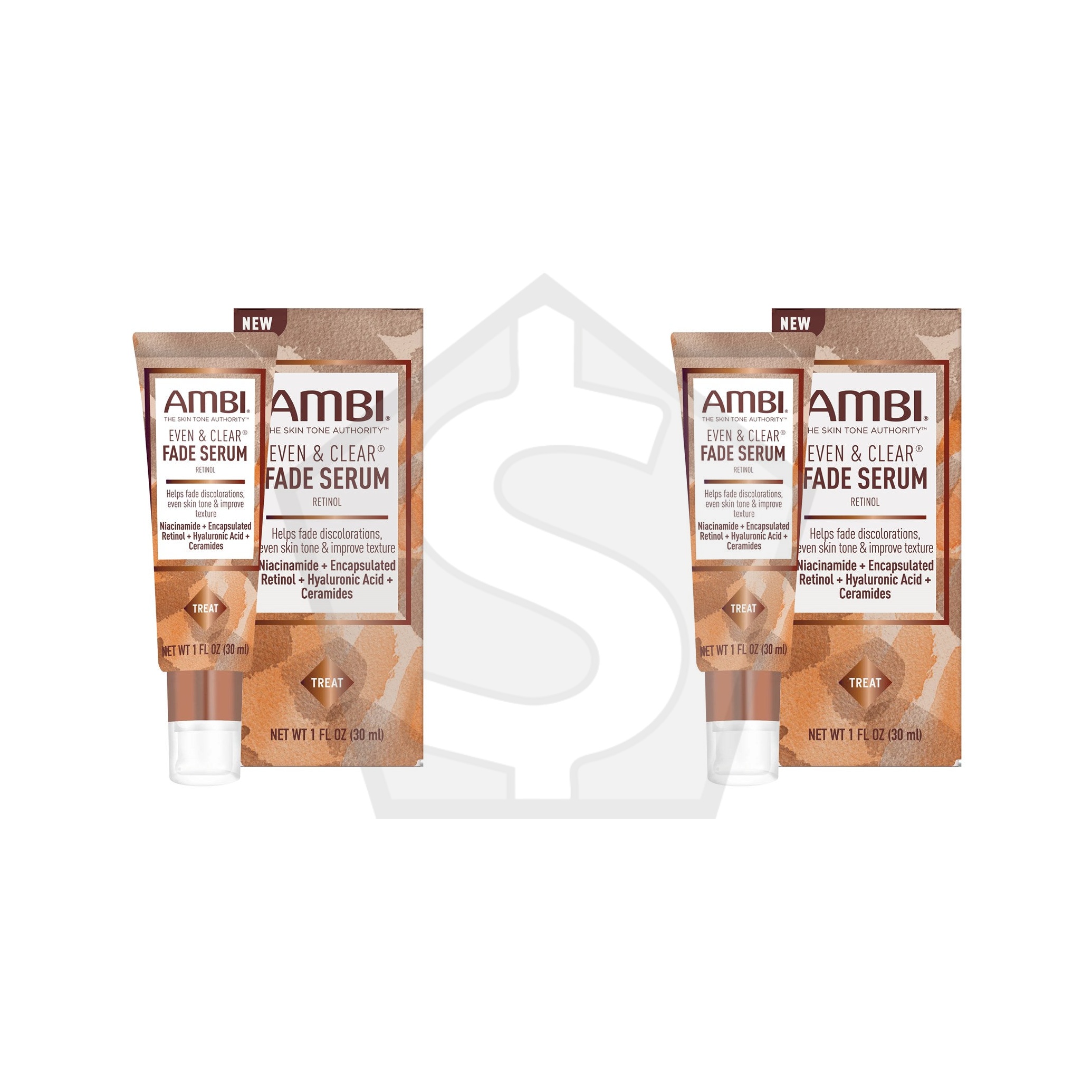
Cost Analysis: Budget vs. Long-term Value
The financial aspect of choosing between drugstore retinol and prescription retinoids involves more than just upfront costs. Let’s break down the true cost of each option over time.
Drugstore Retinol Costs:
- Initial investment: $15-$80 per product
- No doctor visits or prescription fees required
- May need higher concentrations over time (additional purchases)
- Longer timeline to see results may mean using more product
Prescription Retinoid Costs:
- Dermatologist consultation: $150-$300
- Prescription cost: $30-$200 per tube (varies with insurance)
- Faster results mean less product used over time
- May require fewer complementary products due to effectiveness
💰 Cost-Effectiveness Calculator
1-Year Drugstore Route: ~$180-$320 (including product upgrades)
1-Year Prescription Route: ~$200-$500 (including consultation)
Note: Insurance coverage can significantly reduce prescription costs.
While prescription retinoids may have higher upfront costs, they often provide better value long-term due to their effectiveness and the reduced need for multiple products to achieve similar results.
Side Effects and Skin Tolerance
Understanding potential side effects is crucial for choosing the right retinoid strength and managing your expectations during the adjustment period.
Common Drugstore Retinol Side Effects:
- Mild dryness and flaking
- Slight redness or sensitivity
- Temporary increase in skin sensitivity to sun
- Usually subsides within 2-4 weeks
Prescription Retinoid Side Effects:
- More intense dryness and peeling
- Significant redness and irritation
- “Retinoid uglies” – temporary worsening of skin appearance
- Adjustment period can last 6-12 weeks
- Higher photosensitivity
🔬 Expert Tip
The “Sandwich Method”: To minimize irritation with prescription retinoids, apply moisturizer first, then retinoid, then another layer of moisturizer. This technique, recommended by dermatologists, can reduce side effects by up to 50%.
Your skin type plays a crucial role in determining which option is best. Sensitive skin types often benefit from starting with drugstore retinol, while resilient skin types might handle prescription strength better from the beginning.
Who Should Choose Which Option?
Selecting between drugstore retinol and prescription retinoids depends on multiple factors including your skin concerns, lifestyle, and personal preferences.
Choose Drugstore Retinol If:
- You’re new to retinoids and want to test tolerance
- You have sensitive or reactive skin
- Your primary concerns are mild signs of aging or prevention
- You prefer a gradual, gentler approach
- You want to avoid doctor visits and prescription costs
- You’re pregnant or breastfeeding (some OTC options are considered safer)
Choose Prescription Retinoids If:
- You have moderate to severe acne
- You’re dealing with significant signs of aging
- You want faster, more dramatic results
- You’ve used drugstore retinol without sufficient improvement
- You have access to affordable dermatological care
- You’re willing to commit to the adjustment period
📋 Quick Assessment Quiz
Rate each statement 1-5 (1=strongly disagree, 5=strongly agree):
- I have severe acne or deep wrinkles
- I want to see results as quickly as possible
- I’m comfortable with potential side effects
- I have access to dermatological care
- My skin typically handles active ingredients well
Score 20-25: Consider prescription retinoids
Score 10-19: Either option could work
Score 5-14: Start with drugstore retinol
Making the Switch: Transitioning Strategies
Many people start with drugstore retinol and eventually transition to prescription strength. Understanding how to make this transition safely can help you avoid unnecessary irritation and maintain your progress.
When to Consider Upgrading:
- You’ve used drugstore retinol consistently for 6+ months
- Your skin has adapted well with minimal side effects
- You’re not seeing the improvements you want
- Your skin concerns have become more pronounced
Transition Strategy:
- Gradual Introduction: Start prescription retinoid 1-2x per week while reducing drugstore retinol use
- Monitor Your Skin: Watch for increased irritation and adjust frequency accordingly
- Maintain Your Routine: Keep other skincare products consistent during the transition
- Be Patient: Allow 4-6 weeks for your skin to adjust to the new potency
Remember that transitioning to prescription strength may cause a temporary adjustment period, even if you’ve been using retinol successfully. This is normal and typically resolves with consistent use.
🎯 Final Recommendation
The “right” choice between drugstore retinol and prescription retinoids isn’t universal – it’s personal. Consider starting with drugstore retinol if you’re new to retinoids or have sensitive skin. You can always upgrade later. If you have specific skin concerns that need aggressive treatment or you’ve already tried gentler options without success, prescription retinoids might be worth the investment from the start.
You Might Also Like
Whatever you choose, consistency is key. The best retinoid is the one you’ll use regularly and that fits into your lifestyle and budget. Both drugstore and prescription options can deliver transformative results when used correctly and patiently.
Written by Editorial Team
Our editorial team is dedicated to bringing you the latest insights, tips, and product recommendations.