
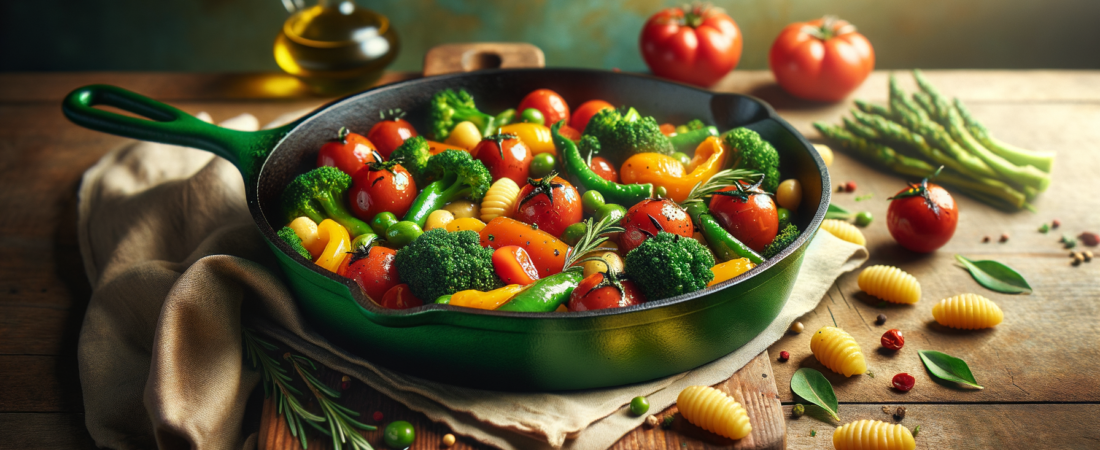
After a long day, the last thing you want is a sink full of dirty dishes staring back at you. One-pan dinners are the ultimate solution for busy weeknights, offering restaurant-quality meals with minimal cleanup. These complete meals cook together in a single pan, allowing flavors to meld beautifully while saving you precious time and energy.
7 min read
In This Article
Whether you’re feeding a family or meal prepping for the week, one-pan dinners transform your kitchen routine from stressful to streamlined. Let’s explore how to create delicious, balanced meals that deliver maximum flavor with minimal fuss.
Why One-Pan Dinners Are Game-Changers
One-pan cooking isn’t just about convenience—it’s a culinary technique that enhances flavor development. When proteins, vegetables, and starches cook together, they share their natural juices and seasonings, creating layers of taste that separate cooking methods simply can’t achieve.
The science behind one-pan success lies in the Maillard reaction—the browning process that occurs when proteins and sugars are heated together. This reaction creates complex flavors and aromas that make your dinner taste like it took hours to prepare.
💡 Pro Tip
Invest in a good quality sheet pan or cast-iron skillet. These workhorses distribute heat evenly and can go from stovetop to oven, giving you maximum versatility for one-pan creations.
Beyond flavor benefits, one-pan meals offer practical advantages that modern home cooks desperately need:
- Time efficiency: Everything cooks simultaneously, reducing active cooking time
- Easy cleanup: One pan means minimal dishes to wash
- Portion control: Complete balanced meals in proper ratios
- Meal prep friendly: Scale up easily and store well
- Energy efficient: Using one heat source saves on utility bills
Essential Ingredients for Flavor-Packed One-Pan Meals
Creating memorable one-pan dinners starts with smart ingredient selection. The key is choosing components that complement each other while contributing their unique flavors to the overall dish.
Proteins That Shine in One-Pan Cooking
Chicken thighs are the MVP of one-pan dinners. Their higher fat content keeps them moist during longer cooking times, while their rich flavor enhances everything around them. Unlike chicken breasts, thighs are nearly impossible to overcook, making them perfect for beginners.
Salmon and other fatty fish work beautifully because they release flavorful oils that season vegetables naturally. Choose skin-on fillets for extra richness and crispy texture contrast.
Sausages bring instant flavor and fat that helps vegetables caramelize. Italian sausage, chorizo, or bratwurst each offer distinct flavor profiles that transform simple vegetables into exciting meals.
Vegetables That Add Color and Nutrition
Root vegetables like potatoes, carrots, and parsnips provide hearty substance and become incredibly sweet when roasted. Cut them into uniform pieces to ensure even cooking.
Brussels sprouts, broccoli, and cauliflower develop nutty, caramelized flavors that even vegetable skeptics will love. These cruciferous vegetables pair especially well with bold seasonings.
Bell peppers, zucchini, and cherry tomatoes add bright colors and fresh flavors that balance richer proteins. They cook quickly, so add them later in the process or cut them larger.
🛒 Shopping Smart
Buy pre-cut vegetables when time is tight, but save money by choosing whole vegetables and prepping them during weekend meal prep sessions. Store prepped vegetables in clear containers so you can grab and go on busy weeknights.
Handpicked items you might love
Foolproof One-Pan Dinner Techniques
Mastering one-pan cooking requires understanding timing and temperature control. Different ingredients have varying cooking times, so strategic layering and sequencing ensure everything finishes perfectly together.
The Staggered Start Method
This technique involves adding ingredients at different intervals based on their cooking times. Start with items that take longest—typically root vegetables and tough cuts of meat—then add quicker-cooking ingredients progressively.
Timing guide:
- Dense vegetables (potatoes, carrots): 25-35 minutes
- Chicken thighs, bone-in: 25-30 minutes
- Medium vegetables (Brussels sprouts, broccoli): 15-20 minutes
- Fish fillets: 10-15 minutes
- Tender vegetables (zucchini, tomatoes): 8-12 minutes
- Leafy greens: 2-5 minutes
Temperature and Pan Selection
Most one-pan dinners succeed at 400-425°F, hot enough to caramelize and brown ingredients while cooking them through. This temperature range works for both oven roasting and stovetop-to-oven methods.
Cast-iron skillets excel at searing proteins first, then finishing in the oven. Sheet pans offer maximum surface area for roasting larger quantities. Dutch ovens are perfect for one-pan braised dishes and stews.
⏰ Quick Reference: Cooking Times
Sheet Pan Method: Preheat oven to 425°F. Start with longest-cooking items, add others every 10-15 minutes.
Skillet Method: Sear protein on stovetop, add vegetables, transfer to 400°F oven for final cooking.
Five Winning One-Pan Dinner Combinations
Mediterranean Chicken and Vegetables
This colorful combination features bone-in chicken thighs with red bell peppers, zucchini, red onion, and cherry tomatoes. Season everything with olive oil, lemon juice, oregano, and garlic for bright Mediterranean flavors.
The secret: Toss vegetables with olives and feta cheese in the last 5 minutes of cooking for authentic Greek taverna taste.
Sausage and Root Vegetable Medley
Italian sausages pair beautifully with cubed potatoes, carrots, and onions. The sausage fat renders out to create crispy, golden vegetables while infusing them with savory flavor.
Flavor boost: Add fresh rosemary sprigs and a splash of white wine halfway through cooking.
Salmon with Asian-Inspired Vegetables
Skin-on salmon fillets rest atop a bed of snap peas, carrots, and baby bok choy, all tossed in a mixture of soy sauce, sesame oil, fresh ginger, and a touch of honey.
Finishing touch: Sprinkle with sesame seeds and sliced green onions just before serving.
Mexican-Style Chicken Fajita Pan
Sliced chicken breast cooks alongside bell peppers and onions with cumin, chili powder, and lime juice. This combination creates restaurant-quality fajitas at home.
Serving suggestion: Warm tortillas in the same pan during the last 2 minutes for an authentic touch.
Hearty Beef and Potato Skillet
Ground beef browns beautifully with diced potatoes, creating a comfort food masterpiece. Add frozen peas in the last few minutes for color and nutrition.
Comfort upgrade: Top with shredded cheese and let it melt from residual heat.
Pro Tips for One-Pan Success
Achieving consistently delicious results requires attention to a few key details that separate good one-pan meals from extraordinary ones.
Don’t Overcrowd the Pan
Overcrowding leads to steaming instead of browning, resulting in bland, soggy vegetables and pale proteins. Use the largest pan possible, or cook in batches if necessary. Ingredients should have space around them to allow proper heat circulation.
Season in Layers
Salt and season ingredients at different stages rather than just at the end. This builds complex flavors throughout the cooking process. Season proteins first, then vegetables as you add them.
Use High Heat Initially
Start with higher temperatures to achieve proper browning, then reduce if needed to prevent burning. This initial sear locks in flavors and creates appealing textures.
⚠️ Common Mistakes to Avoid
- Adding delicate ingredients too early
- Not preheating the pan properly
- Using too much liquid (causes steaming)
- Flipping or stirring too frequently
- Not allowing proper rest time before serving
Let It Rest
Allow finished dishes to rest for 5-10 minutes before serving. This helps juices redistribute and flavors settle, while also making the meal safer to eat temperature-wise.
Make-Ahead and Storage Tips
One-pan dinners are naturally meal-prep friendly, but proper storage techniques ensure they taste fresh even days later.
Refrigeration: Store cooled one-pan meals in airtight containers for up to 4 days. Separate any crispy elements to maintain texture.
Freezing: Most one-pan dishes freeze well for up to 3 months. Avoid freezing dishes with high water-content vegetables like zucchini or tomatoes, as they become mushy when thawed.
Reheating: Use the oven at 350°F to reheat, covering with foil to prevent drying out. Add a splash of broth or wine if the dish seems dry.
🥡 Meal Prep Success
Double recipes on Sunday for easy weeknight reheating. Portion into individual containers with a grain like rice or quinoa for complete meals ready in minutes.
One-pan dinners prove that simple doesn’t mean boring. These efficient cooking methods deliver complex flavors while respecting your time and energy. With the right ingredients, proper technique, and creative combinations, you can transform weeknight cooking from a chore into a creative, satisfying experience.
You Might Also Like
Start with one or two favorite combinations, then experiment with your own flavor profiles. Your future self will thank you when dinner is delicious, nutritious, and the cleanup takes just minutes instead of an hour.
Written by Editorial Team
Our editorial team is dedicated to bringing you the latest insights, tips, and product recommendations.