
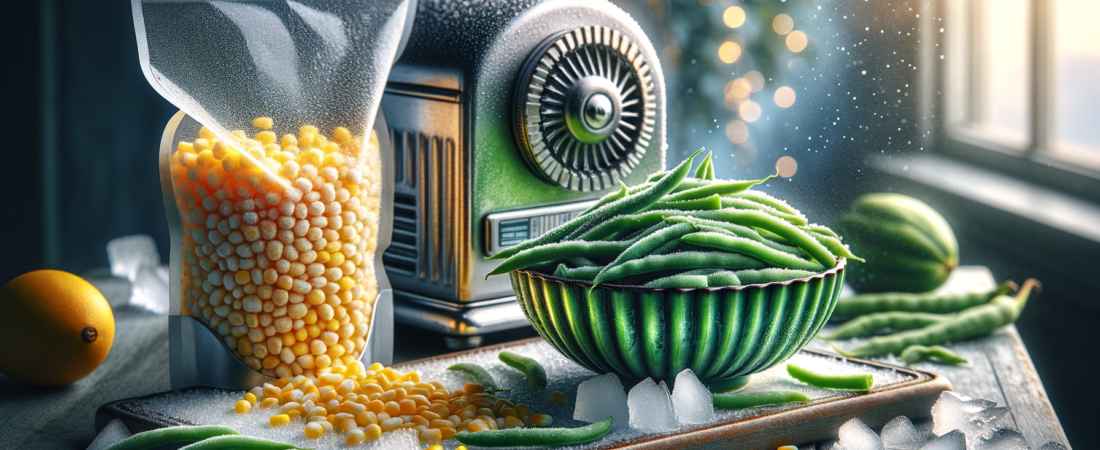
Your freezer is one of the most powerful tools in your kitchen arsenal, capable of extending the life of food for months and saving you hundreds of dollars annually. But knowing what freezes well and what doesn’t can make the difference between perfectly preserved meals and disappointing, mushy disasters.
7 min read
In This Article
Whether you’re batch cooking, taking advantage of grocery sales, or simply trying to reduce food waste, understanding proper freezing techniques is essential for any home cook. Let’s dive into the comprehensive guide that will transform how you use your freezer space.
Understanding the Science Behind Freezing
Before we explore what to freeze and what to avoid, it’s crucial to understand how freezing affects food structure. When water in food cells freezes, it expands and forms ice crystals. These crystals can rupture cell walls, which explains why some foods become mushy when thawed.
The key to successful freezing lies in the water content and cellular structure of foods. Items with lower water content and stronger cellular structure typically freeze better than high-water, delicate foods.
💡 Pro Tip
The faster food freezes, the smaller the ice crystals formed. This means less cellular damage and better texture when thawed. Set your freezer to 0°F (-18°C) or below for optimal results.
Temperature fluctuations are the enemy of frozen food quality. Every time your freezer temperature rises above 0°F, ice crystals grow larger, causing more damage to food structure. This is why proper freezer maintenance and organization are just as important as knowing what to freeze.
Foods That Freeze Beautifully
These foods maintain their quality, texture, and nutritional value exceptionally well when frozen properly:
Proteins
Raw meats are freezing champions. Beef, pork, lamb, and poultry can be frozen for 4-12 months depending on the cut. Ground meats have a shorter freezer life (3-4 months) due to increased surface area exposure to air.
Fish and seafood freeze excellently when fresh. Lean fish like cod and halibut can last 6-8 months, while fatty fish like salmon are best used within 3-4 months. Always wrap tightly to prevent freezer burn.
Cooked proteins including roasted chicken, beef stew, and meatballs freeze wonderfully and make convenient meal prep options. Properly stored, they maintain quality for 2-3 months.
Fruits and Vegetables
Most fruits freeze well, especially berries, stone fruits, and citrus. The key is proper preparation:
- Wash and dry thoroughly before freezing
- Remove pits and stems
- Consider flash-freezing on trays before bagging to prevent clumping
Vegetables benefit from blanching before freezing to preserve color, texture, and nutrients. Blanching stops enzyme activity that can cause deterioration during storage.
✓ Best Vegetables for Freezing
- ☐ Broccoli and cauliflower (blanched)
- ☐ Green beans (blanched)
- ☐ Spinach and kale (blanched or raw)
- ☐ Corn kernels (blanched)
- ☐ Bell peppers (raw, chopped)
- ☐ Onions (raw, chopped)
Prepared Foods and Leftovers
Soups, stews, and casseroles are freezer superstars. Their sauce-based nature protects ingredients from freezer burn and texture changes. Grain-based dishes like cooked rice, quinoa, and pasta (slightly undercooked) also freeze well.
Baked goods including bread, muffins, and cookie dough freeze beautifully. In fact, many bakers swear that bread tastes fresher after being properly frozen and thawed than day-old bread stored at room temperature.
Handpicked items you might love
Foods You Should Never Freeze
While freezing is incredibly versatile, certain foods simply don’t survive the process with their quality intact:
High-Water Content Vegetables
Vegetables with high water content become mushy and unpalatable when frozen. These include:
- Lettuce and salad greens – The delicate cell structure collapses completely
- Cucumbers – Become limp and watery with an unpleasant texture
- Radishes – Lose their characteristic crunch
- Celery – While it won’t harm you, it becomes too soft for raw consumption (though it’s fine for cooking)
Dairy Products (With Exceptions)
Most dairy products don’t freeze well due to separation and texture changes:
Milk separates when frozen, though it’s safe to drink after thawing and shaking. The texture change makes it better suited for cooking than drinking.
Soft cheeses like cream cheese, cottage cheese, and ricotta become grainy and watery. Hard cheeses fare better but may become crumbly.
Yogurt and sour cream separate and become watery with an unpleasant texture.
⚠️ Important Exception
Dairy products destined for cooking can often be frozen successfully. Separated milk works fine in baking, and crumbly cheese melts normally in cooked dishes.
Eggs and Emulsion-Based Foods
Whole eggs in shells will crack and potentially contaminate your freezer. However, beaten eggs can be frozen in ice cube trays for future use in baking.
Mayonnaise-based salads like potato salad, coleslaw, and chicken salad separate and become unappetizing. The emulsion breaks down, creating a watery, curdled mess.
Proper Freezing Techniques for Maximum Quality
Success in freezing isn’t just about what you freeze—it’s about how you freeze it. Proper technique can mean the difference between restaurant-quality results and freezer disasters.
Packaging Materials Matter
The right packaging prevents freezer burn and maintains food quality. Your options include:
- Heavy-duty aluminum foil – Excellent for irregular shapes
- Freezer-grade plastic wrap – Must be applied tightly with no air pockets
- Freezer bags – Remove as much air as possible before sealing
- Vacuum-sealed bags – The gold standard for preventing freezer burn
- Glass containers – Great for liquids, but leave headspace for expansion
The Two-Step Freezing Process
For optimal results, especially with fruits and vegetables, use the two-step freezing method:
- Flash freeze: Spread items in a single layer on a baking sheet and freeze for 2-4 hours
- Package: Transfer to permanent storage containers once individually frozen
This prevents items from freezing into one solid clump and allows you to remove only what you need.
🎯 Organization Tip
Label everything with contents and date. Use a “first in, first out” system, and keep a freezer inventory list on the outside to track what you have without opening the door repeatedly.
Thawing Best Practices
How you thaw frozen food is just as important as how you freeze it. Improper thawing can compromise food safety and quality.
Safe Thawing Methods
Refrigerator thawing is the safest method but requires planning. Allow 24 hours for every 4-5 pounds of food. This method maintains safe temperatures throughout the thawing process.
Cold water thawing works faster—about 30 minutes per pound—but requires changing the water every 30 minutes to maintain cold temperatures.
Microwave thawing is quickest but should only be used if you’re cooking the food immediately. Use the defrost setting and turn or rearrange food frequently.
Never thaw at room temperature as this allows dangerous bacteria to multiply in the “danger zone” between 40°F and 140°F.
Foods You Can Cook from Frozen
Some foods can go straight from freezer to cooking, saving time and maintaining quality:
- Most vegetables (add 50% more cooking time)
- Fish fillets (great for preventing overcooking)
- Berries in smoothies or baking
- Bread (can be toasted directly from frozen)
Maximizing Your Freezer Investment
Your freezer is an investment in both convenience and savings. With proper knowledge and technique, you can reduce food waste, take advantage of sales, and always have quality ingredients on hand.
Remember that freezing stops bacterial growth but doesn’t improve food quality—freeze foods at their peak freshness for the best results. When in doubt, it’s better to freeze sooner rather than later.
Key Takeaways
- Low-water, sturdy foods freeze best
- High-water content vegetables and soft dairy don’t freeze well
- Proper packaging prevents freezer burn
- Safe thawing is crucial for food safety
- Label and date everything for optimal organization
You Might Also Like
By following these guidelines, you’ll transform your freezer from a simple storage space into a powerful tool for meal planning, budget management, and waste reduction. Start with the basics, experiment with confidence, and soon you’ll wonder how you ever managed without these freezing strategies.
Written by Editorial Team
Our editorial team is dedicated to bringing you the latest insights, tips, and product recommendations.