
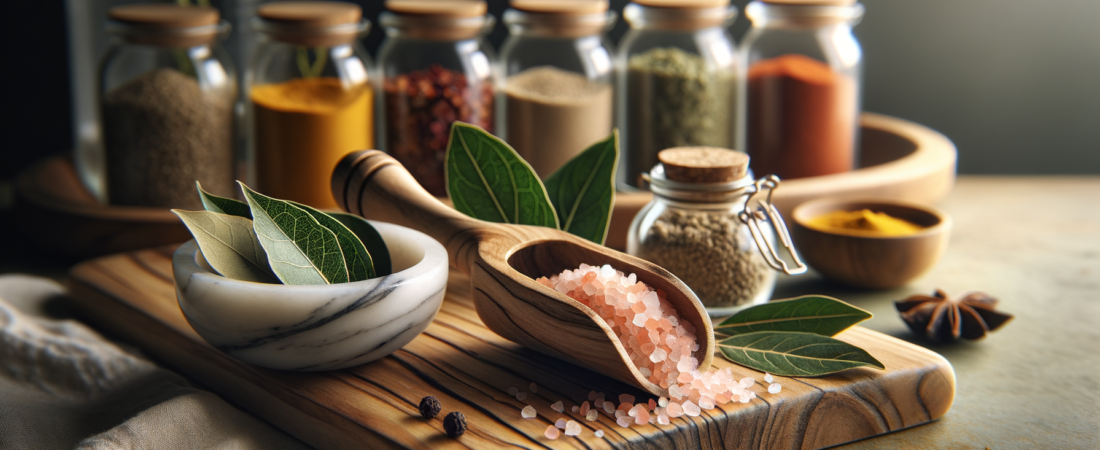
How to Season Food: A Beginner’s Guide to Spices
Ever wondered why your homemade dishes lack the flavor punch of your favorite restaurant meals? The secret often lies in how you season your food. Discovering how to properly season food can transform your cooking from bland to grand, and it’s all about mastering the art of spices.
3 min read
In This Article
What are the Basic Spices for Beginners?
When you’re starting out, it’s easy to feel overwhelmed by the array of spices available in any grocery store. But fear not! Here’s a starter list of essential spices to kickstart your culinary adventures:
- Salt: The ultimate flavor enhancer.
- Pepper: Provides a subtle kick and depth.
- Garlic Powder: A robust addition to most savory dishes.
- Chili Powder: Perfect for adding heat and color.
- Cumin: Ideal for a warm, earthy flavor.
- Paprika: Sweet and subtle or smoked for a bolder taste.
Did You Know?
In a study by the Journal of Food Science, spices like garlic and cinnamon significantly improved the overall flavor profile when added to various dishes.
How to Measure Spices for Cooking?
Understanding how much spice to use can be tricky. A good rule of thumb is:
- 1 teaspoon of dried herbs for every pound of meat.
- 1/4 teaspoon of spices per serving for bold spices.
Can You Substitute Fresh Herbs for Dried?
Yes, absolutely! The general conversion is 1 tablespoon of fresh equals 1 teaspoon of dried. Fresh herbs offer a burst of flavor that’s often preferred at the end of the cooking process.
Handpicked items you might love
Why is Balancing Flavors Important?
Balancing flavors is crucial to avoid overpowering or under-seasoning your dish. Use this checklist to achieve the perfect balance:
Add acid like lemon juice to brighten flavors.
Incorporate sweetness with honey or sugar for harmony.
Use salt progressively, tasting as you go.
Here’s a Flavor Hack!
Bookmark-Worthy Tip: Combine spices ahead of time to create custom blends. Try mixing garlic powder, paprika, salt, and pepper for a quick all-purpose seasoning.
How to Store Spices for Maximum Flavor?
To keep spices fresh and potent:
- Store in airtight containers.
- Keep them in a cool, dark place.
- Avoid storing near heat sources.
According to the Food Network, spices can lose their potency after six months; hence regular replacement is advised.
What’s the Best Way to Experiment with Spices?
Don’t be afraid to experiment and make mistakes. Cooking is an art, not a science. Try these simple steps:
- Start with known recipes and tweak them slightly.
- Taste regularly as you cook to adjust seasoning.
- Record successful flavor combos in a journal.
These small experiments will slowly build your confidence and palate.
Interactive Poll: What’s Your Spice Style?
Quick Poll: Which spice style do you prefer? Traditional, Bold, or Experimental? Share in the comments to compare your taste with others!
Your Beginner’s Spice Shopping List
- Sea Salt
- Black Pepper
- Garlic Powder
- Chili Powder
- Cumin
- Paprika
- Oregano
- Basil
Use this list during your next grocery run to stock up your spice cabinet!
You Might Also Like
Now that you’re equipped with the knowledge of seasoning, it’s time to zest up your meals! Share your thoughts and flavorful experiments with us and check out our spice collection to perfect your culinary endeavors.
Written by Editorial Team
Our editorial team is dedicated to bringing you the latest insights, tips, and product recommendations.