
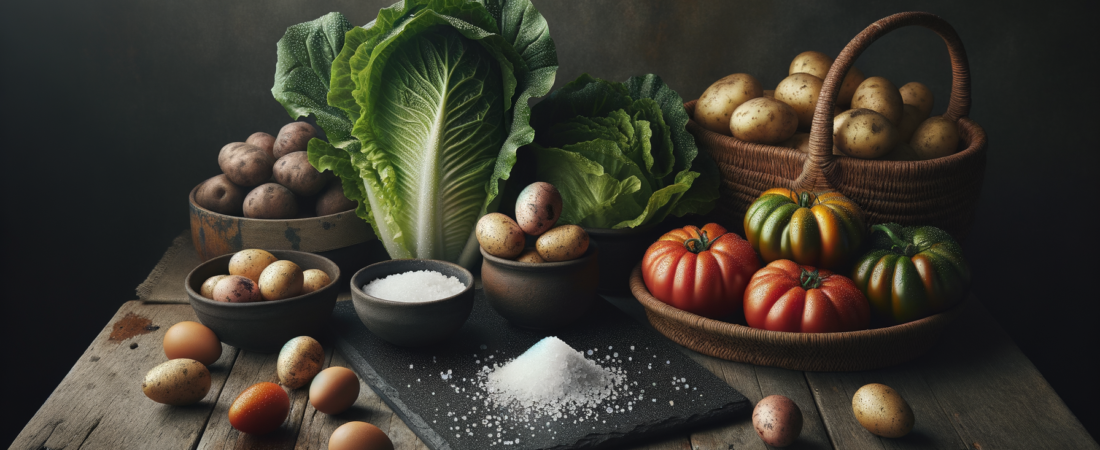
Organic Produce vs Conventional: Is It Worth It?
Have you ever wondered why organic apples sometimes boast double the price of their conventional counterparts? You’re not alone. The debate swirling around organic produce often centers on its cost and whether it truly offers benefits that justify the splurge. Let’s dive into what research reveals about organic produce, and whether it’s worth fitting into your grocery budget.
4 min read
In This Article
What Does ‘Organic’ Really Mean?
Organic farming avoids the use of synthetic fertilizers, pesticides, and genetically modified organisms (GMOs). But what does this mean for your groceries? Organic produce aims to be more environmentally friendly, focusing on sustainability and biodiversity.
Notably, organic farming practices enhance soil and water quality and reduce pollution. This sustainable framework is designed not only to meet the growing demand for clean products but to ensure that future generations have a healthy planet.
Did You Know?
While organic mainly refers to farming methods, it also enhances the nutritional quality of produce by avoiding artificial ripening agents.
Nutritional Differences: Myth or Reality?
The million-dollar question: does organic produce offer superior nutrition? Several studies suggest that organic fruits and vegetables may contain higher antioxidant levels and lower pesticide residues compared to conventional produce.
One study found that organic tomatoes had 20% more vitamin C than conventional ones. However, it’s worth noting that overall nutritional differences can be affected by many variables, such as soil quality and produce freshness.
Expert Tip
To maximize nutrients, focus on a diet rich in varied fruits and vegetables. Both organic and conventional can co-exist in your meals.
Handpicked items you might love

The Cost Factor: Worth the Extra Bucks?
For many, the decision boils down to cost. Organic produce can be up to 47% more expensive than conventional options. This cost mainly results from more labor-intensive farming practices and certifications required to label a product as organic.
- Organic farming generally yields less produce per acre, driving prices up.
- Additional handling and certification processes are costly.
Despite these costs, some consumers prioritize organic purchases for perceived health benefits or environmental impact, prompting a closer look at what matters most to you.
Health Implications: Understanding Risks and Benefits
By choosing organic, some consumers aim to reduce exposure to potentially harmful pesticides and chemicals. However, it’s important to note that both farming methods follow stringent safety standards for pesticide residues.
The Environmental Working Group (EWG) provides lists like the “Dirty Dozen,” which can guide consumers focused on reducing exposure by identifying conventional produce with the highest pesticide levels. Many find it helpful to prioritize organic purchases based on lists like these.
Expert Tip
If budget is a concern, buy organic for produce you eat without peeling, like berries or apples, where pesticide residues are often higher.
Environmental Impact: A Greener Choice?
Aside from personal health, environmental sustainability draws many to organic options. Organic farming is often seen as better for the planet due to reduced pollution and energy use.
Studies indicate that organic practices can use up to 45% less energy, better preserve biodiversity, and result in less soil erosion. These benefits underline why some prioritize organic products despite higher prices.
Save This!
Consider developing your own “organic basket”: a list of essential organic items tailored to your values and budget.
Making Your Choice
Your choice between organic and conventional should reflect your personal values, health priorities, and budgetary constraints. There isn’t a one-size-fits-all answer; what works for one might not suit another.
- Assess what environmental impact means to you.
- Consider which health aspects are non-negotiable for your family.
Remember, what matters most is embracing a balanced and varied diet, focusing on whole, minimally processed foods.
Expert Tip
Keep a mindful eye on seasonal organic offerings, which can sometimes be cheaper than out-of-season conventional produce.
Key Takeaways
Organic farming focuses on environmental sustainability and health safety.
Consider the “Dirty Dozen” to prioritize organic buying effectively.
An informed choice balances nutritional value, cost, and environmental concerns.
You Might Also Like
We’d love to hear from you! How do you prioritize your grocery choices? What tips have helped you balance cost and quality? Share your experience with us and explore our lineup of organic and conventional produce to best fit your lifestyle.
Written by Editorial Team
Our editorial team is dedicated to bringing you the latest insights, tips, and product recommendations.