
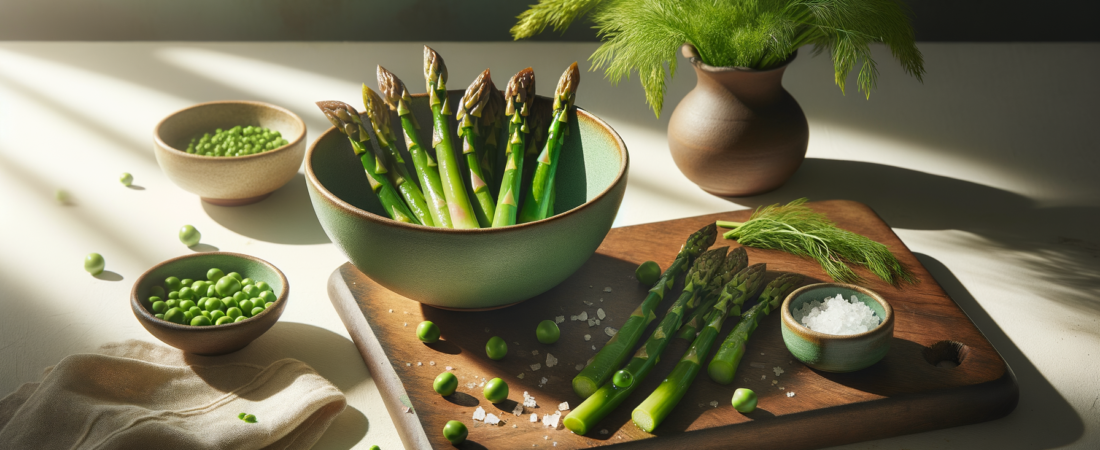
As winter fades and spring emerges, our taste buds naturally crave the bright, vibrant flavors that only fresh seasonal produce can deliver. Nothing says spring quite like tender asparagus spears, sweet garden peas, and aromatic fresh herbs. These ingredients aren’t just delicious – they’re nutritional powerhouses that can transform your dinner table into a celebration of the season.
6 min read
In This Article
Whether you’re looking to impress dinner guests or simply want to add more seasonal variety to your weeknight meals, these spring dinner ideas will help you make the most of nature’s bounty. From quick 30-minute meals to elegant weekend spreads, we’ll explore how to showcase these gorgeous ingredients in ways that are both satisfying and sophisticated.
Why Spring Vegetables Make Perfect Dinner Centerpieces
Spring vegetables like asparagus and peas offer a unique combination of delicate flavors and impressive nutritional profiles. Asparagus is loaded with folate, vitamin K, and antioxidants, while peas provide plant-based protein, fiber, and vitamin C. Fresh herbs like basil, parsley, dill, and mint don’t just add flavor – they’re concentrated sources of vitamins and minerals that can boost both taste and health benefits.
💡 Pro Shopping Tip
Look for asparagus with tight, compact tips and firm stems. Peas should be bright green and plump – avoid any that look wrinkled or yellowed. Fresh herbs should have vibrant color with no wilting or dark spots.
The beauty of cooking with spring produce lies in its versatility. These ingredients pair beautifully with everything from creamy risottos to light pasta dishes, grilled proteins to vegetarian grain bowls. Their natural sweetness and fresh flavors mean you don’t need heavy sauces or complicated preparations – simple techniques often yield the most spectacular results.
Quick Weeknight Spring Dinners (30 Minutes or Less)
Busy weeknights don’t have to mean sacrificing fresh, seasonal flavors. These quick spring dinner ideas prove that you can create restaurant-quality meals in your own kitchen without spending hours in preparation.
Spring Vegetable Pasta Primavera
This classic dish comes together in just 25 minutes and highlights the natural sweetness of spring vegetables. Start by blanching 1 pound of asparagus (cut into 2-inch pieces) and 1 cup of fresh peas for 2-3 minutes until bright green and tender-crisp. Toss with al dente linguine, a light cream sauce made with butter, garlic, and a splash of pasta water, then finish with fresh basil, parsley, and grated Parmesan.
Lemon Herb Chicken with Spring Vegetables
Season boneless chicken breasts with salt, pepper, and fresh thyme, then sear in a large skillet until golden. Add asparagus spears and snap peas to the same pan, along with minced garlic, lemon zest, and a splash of white wine or chicken broth. Cover and cook for 8-10 minutes until chicken reaches 165°F and vegetables are tender. Finish with fresh dill and a squeeze of lemon juice.
⏰ Time-Saving Hack
Prep your vegetables on Sunday for the week ahead. Wash and trim asparagus, shell peas, and chop fresh herbs. Store them in airtight containers in the refrigerator – they’ll stay fresh for 3-4 days and make weeknight cooking a breeze.
Spring Grain Bowl with Herbed Yogurt Sauce
Combine cooked quinoa or farro with blanched asparagus, peas, and fresh herbs for a satisfying vegetarian dinner. Top with a creamy sauce made from Greek yogurt, minced herbs, lemon juice, and a drizzle of olive oil. Add toasted nuts or seeds for extra protein and crunch.
Handpicked items you might love

Elegant Weekend Spring Entertaining
When you have more time to spend in the kitchen, these sophisticated spring dinner ideas will help you create memorable meals that showcase seasonal ingredients at their finest.
Spring Risotto with Asparagus and Peas
This creamy, luxurious dish requires attention but delivers exceptional results. Start by making a flavorful vegetable stock using asparagus trimmings, onion scraps, and herb stems. Slowly add warm stock to Arborio rice along with white wine, stirring constantly until creamy. Fold in blanched asparagus tips, fresh peas, and a generous amount of grated Parmigiano-Reggiano. Finish with butter, fresh herbs, and a drizzle of good olive oil.
Herb-Crusted Salmon with Spring Vegetable Medley
Create an elegant main course by coating salmon fillets with a mixture of fresh herbs, breadcrumbs, and olive oil. Roast alongside asparagus, sugar snap peas, and baby potatoes tossed with herbs and lemon. The fish and vegetables cook at the same temperature, making this a simple yet impressive one-pan meal.
🍷 Wine Pairing Suggestion
Spring vegetables pair beautifully with crisp white wines like Sauvignon Blanc or Pinot Grigio. The bright acidity complements the fresh flavors while cleansing the palate between bites.
Spring Vegetable Tart with Fresh Herb Oil
Using store-bought puff pastry as a base, create a stunning vegetable tart by arranging blanched asparagus spears and halved peas over a layer of ricotta or goat cheese. Bake until golden and finish with a vibrant herb oil made from blended parsley, basil, olive oil, and a touch of garlic. This makes an excellent centerpiece for spring brunches or light dinners.
Maximizing Flavor with Fresh Herb Combinations
The key to exceptional spring cooking lies in understanding how different herbs complement your main ingredients. Fresh herbs should be added at different stages of cooking to maximize their impact and create layers of flavor.
For asparagus, classic pairings include tarragon (which has a subtle anise flavor), fresh thyme, and lemon zest. Peas shine when paired with mint, fresh dill, or chives. Don’t be afraid to experiment with herb combinations – a mixture of parsley, basil, and chives creates a bright, fresh flavor that works with almost any spring dish.
🌿 Herb Preservation Tips
Extend the life of fresh herbs by storing them properly. Treat soft herbs like basil and parsley like flowers – trim the stems and place in water. Hardy herbs like thyme and rosemary can be wrapped in damp paper towels and stored in the refrigerator.
When using fresh herbs in cooking, remember that delicate herbs like basil and parsley should be added at the end of cooking to preserve their bright flavor and color. Heartier herbs like thyme and rosemary can withstand longer cooking times and actually benefit from it, releasing more complex flavors.
Storage and Preparation Tips for Peak Freshness
Getting the most from your spring vegetables starts with proper selection and storage. Asparagus should be stored upright in the refrigerator with the cut ends in a shallow bowl of water, covered with a plastic bag. This keeps the spears crisp and prevents them from drying out.
Fresh peas are best used within a day or two of purchase, as their natural sugars quickly convert to starch. If you can’t use them immediately, blanch and freeze them to preserve their sweet flavor and bright color. Frozen peas can be added directly to dishes without thawing – they’ll cook quickly and maintain their texture.
When preparing asparagus, snap off the woody ends rather than cutting them – the spear will naturally break at the point where the tender part meets the tough stem. For peas, if you’re shelling fresh ones, save the pods to make a flavorful vegetable stock that can be used in risottos or soups.
Ready to Create Your Spring Menu?
You Might Also Like
These fresh, seasonal ingredients are waiting for you in our produce section. From tender asparagus to sweet peas and aromatic fresh herbs, we stock everything you need to create these memorable spring dinners. Visit our store today and let the season inspire your next meal!
Written by Editorial Team
Our editorial team is dedicated to bringing you the latest insights, tips, and product recommendations.