
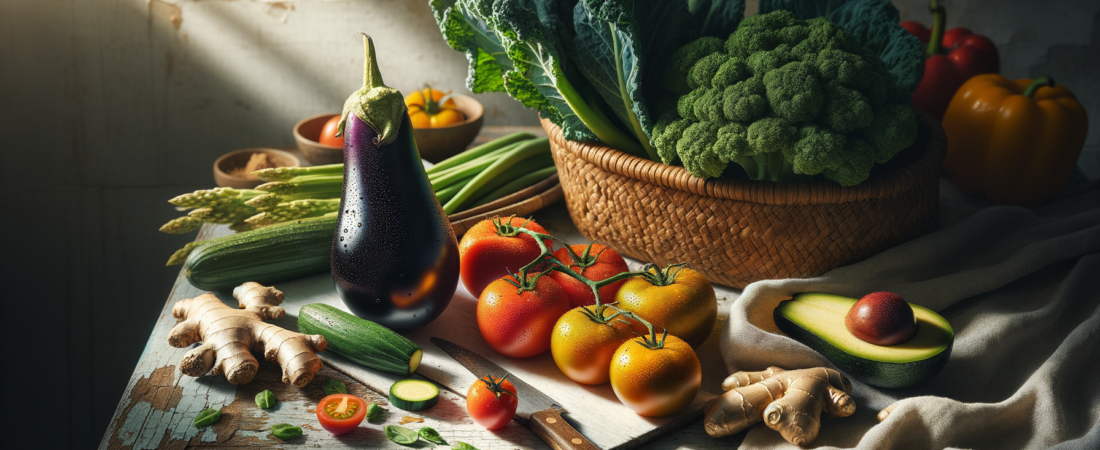
Planning nutritious meals for a family of four while managing budget and time constraints can feel overwhelming. With rising grocery costs and busy schedules, many families struggle to maintain healthy eating habits. The key to success lies in strategic meal planning and having a comprehensive grocery list that covers all your family’s nutritional needs.
6 min read
In This Article
This ultimate healthy grocery list is designed specifically for families of four, providing you with everything needed to create balanced, delicious meals that everyone will enjoy. Whether you’re feeding two adults and two children or four adults, this guide will help you shop smarter, eat better, and reduce food waste.
Essential Proteins for Growing Families
Protein forms the foundation of healthy family meals, supporting growth, muscle development, and sustained energy throughout the day. For a family of four, aim to include a variety of protein sources to keep meals interesting and nutritionally diverse.
Lean Meats and Poultry (3-4 pounds per week):
- Skinless chicken breasts (2 lbs) – versatile for grilling, baking, or stir-fries
- Ground turkey (1 lb) – perfect for tacos, meatballs, or pasta dishes
- Lean ground beef (1 lb, 90% lean) – for burgers, chili, or casseroles
- Pork tenderloin (1 lb) – economical and quick-cooking
Fish and Seafood (2-3 servings per week):
- Salmon fillets (1 lb) – rich in omega-3 fatty acids
- Frozen white fish fillets (1 lb) – cod or tilapia for budget-friendly options
- Canned tuna in water (4 cans) – convenient for lunches and quick dinners
💡 Budget Tip: Buy proteins in bulk when on sale and freeze in family-sized portions. Label with contents and date for easy meal planning.
Plant-Based Proteins:
- Dried beans and lentils (2 lbs mixed varieties) – kidney beans, black beans, chickpeas
- Quinoa (2 lbs) – complete protein and versatile grain
- Natural peanut butter (1 large jar) – no added sugars
- Eggs (2 dozen) – perfect for breakfast, baking, or quick dinners
Fresh Produce: The Rainbow on Your Plate
Fresh fruits and vegetables should make up half of your family’s plate at each meal. For a family of four, plan for approximately 20-25 servings of fruits and vegetables per week, which translates to about 5-6 servings per person daily.
Fresh Vegetables (rotate seasonally for best prices):
- Leafy greens: spinach, kale, or mixed salad greens (3 bags)
- Broccoli or cauliflower (2 large heads)
- Bell peppers, mixed colors (6 peppers)
- Carrots (2 lb bag) – great for snacking and cooking
- Sweet potatoes (3 lbs) – nutrient-dense and kid-friendly
- Onions (3 lb bag) – cooking staple
- Garlic (1 bulb)
- Tomatoes (2 lbs) – fresh and canned options
- Cucumbers (3 medium) – perfect for snacks and salads
🥕 Fresh Produce Storage Tip: Store fruits and vegetables properly to extend freshness. Keep potatoes and onions in cool, dark places, while leafy greens stay crisp in the refrigerator crisper drawer.
Fresh Fruits:
- Bananas (1 bunch) – perfect for smoothies and quick energy
- Apples (3 lbs, mixed varieties) – store well and kid-approved
- Berries (2 containers) – blueberries, strawberries, or raspberries
- Oranges or seasonal citrus (2 lbs)
- Grapes (2 lbs) – great for lunch boxes
- Avocados (6 pieces) – healthy fats for the whole family
Frozen Fruits and Vegetables:
- Frozen mixed berries (2 bags) – for smoothies and oatmeal
- Frozen broccoli or mixed vegetables (3 bags) – quick side dishes
- Frozen peas (1 bag) – add to pasta, rice, or soups
Handpicked items you might love


Whole Grains and Complex Carbohydrates
Complex carbohydrates provide sustained energy and essential nutrients for growing children and active adults. Choose whole grain options whenever possible to maximize fiber intake and nutritional value.
Bread and Baked Goods:
- Whole grain bread (2 loaves) – 100% whole wheat or multigrain
- Whole grain tortillas (1 package) – versatile for wraps, quesadillas
- Brown rice cakes or whole grain crackers (2 boxes) – healthy snack options
Grains and Starches:
- Brown rice (2 lbs) – cook large batches for meal prep
- Whole wheat pasta (3 boxes, various shapes) – kid-friendly dinner option
- Oats (large container) – steel-cut or old-fashioned for breakfast
- Whole grain cereal (2 boxes) – low sugar, high fiber options
⚡ Time-Saving Tip: Cook grains in bulk on weekends. Store cooked brown rice, quinoa, and other grains in the refrigerator for quick weeknight meals.
Dairy and Dairy Alternatives
Dairy products provide essential calcium, vitamin D, and protein for growing children and adults. Choose low-fat or non-fat options when possible, and consider plant-based alternatives for variety or dietary restrictions.
Traditional Dairy:
- Low-fat milk (1 gallon) – or choose your family’s preferred fat content
- Greek yogurt, plain (2 large containers) – higher protein than regular yogurt
- Natural cheese (1 lb block, cheddar or mozzarella) – for cooking and snacking
- String cheese (1 package) – convenient, portion-controlled snacks
Dairy Alternatives:
- Unsweetened almond or oat milk (1/2 gallon) – for variety or lactose intolerance
- Plant-based yogurt (2 containers) – coconut, almond, or soy-based options
Healthy Fats and Cooking Essentials
Healthy fats support brain development, hormone production, and nutrient absorption. Include a variety of fat sources in your family’s diet while focusing on unsaturated fats from plant sources.
Cooking Oils and Fats:
- Extra virgin olive oil (1 bottle) – for salad dressings and low-heat cooking
- Avocado oil (1 bottle) – high smoke point for sautéing and roasting
- Coconut oil (1 jar) – for baking and medium-heat cooking
Nuts and Seeds:
- Mixed raw nuts (2 lbs) – almonds, walnuts, cashews
- Chia seeds (1 bag) – omega-3s and fiber for smoothies
- Pumpkin seeds (1 bag) – zinc and magnesium
🚨 Allergy Alert: Always check with family members about nut allergies before purchasing. Consider sunflower seed butter as a nut-free alternative to peanut butter.
Pantry Staples and Condiments
A well-stocked pantry makes healthy cooking easier and more convenient. These shelf-stable items form the backbone of nutritious family meals and can help you create delicious dishes even when fresh ingredients run low.
Canned and Jarred Goods:
- Canned tomatoes, diced and sauce (4 cans total)
- Low-sodium vegetable or chicken broth (4 cartons)
- Canned beans, variety pack (6 cans) – black, kidney, chickpeas
- Tomato paste (2 small cans)
- Coconut milk, unsweetened (2 cans)
Seasonings and Flavor Enhancers:
- Sea salt and black pepper
- Dried herbs: basil, oregano, thyme
- Spices: cumin, paprika, garlic powder, onion powder
- Fresh lemons and limes (6 total)
- Apple cider vinegar (1 bottle)
- Low-sodium soy sauce or tamari (1 bottle)
📝 Weekly Planning Checklist:
✓ Plan 5-7 dinners before shopping
✓ Check current pantry inventory
✓ Consider family schedules for quick vs. slow-cook meals
✓ Account for lunch and breakfast needs
✓ Include healthy snacks for everyone
Healthy Snacks for the Whole Family:
- Hummus (2 containers) – pairs with vegetables and crackers
- Whole grain pretzels (1 bag)
- Air-popped popcorn (3 bags)
- Dried fruit, unsweetened (2 bags) – dates, apricots, or raisins
This comprehensive grocery list provides the foundation for creating nutritious, satisfying meals that will keep your family of four well-fed and energized. Remember to adjust quantities based on your family’s specific appetites, dietary restrictions, and preferences. Shopping with a detailed list not only ensures you have healthy options available but also helps you stick to your budget and reduce impulse purchases.
You Might Also Like
By focusing on whole foods, lean proteins, plenty of fruits and vegetables, and healthy fats, you’re setting your family up for success in maintaining a nutritious lifestyle. Don’t forget to involve family members in meal planning and preparation – it’s a great way to teach healthy habits and ensure everyone enjoys the meals you create together.
Written by Editorial Team
Our editorial team is dedicated to bringing you the latest insights, tips, and product recommendations.