
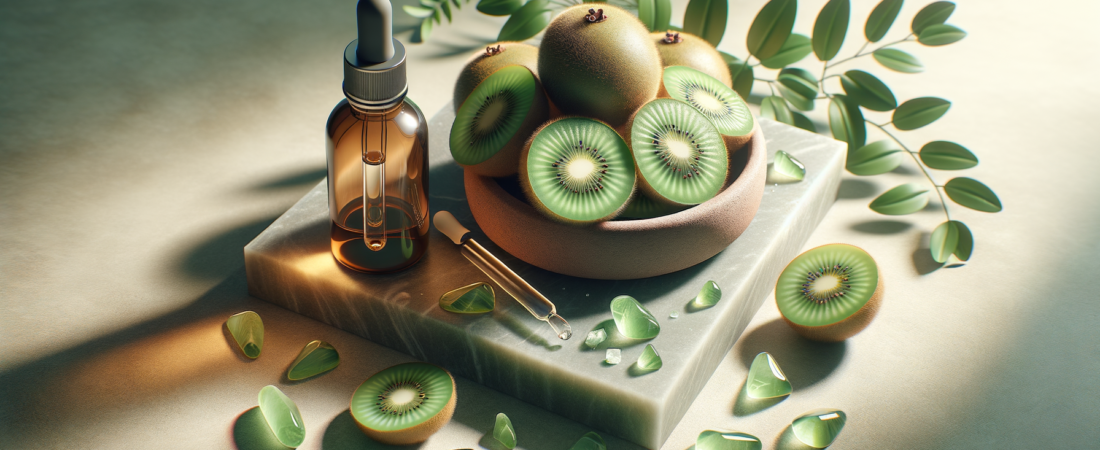
Vitamin C serums have become the holy grail of skincare routines, promising brighter skin, reduced dark spots, and a youthful glow. But walk down any beauty aisle, and you’ll find yourself overwhelmed by choices: L-ascorbic acid, magnesium ascorbyl phosphate, sodium ascorbyl phosphate—the list goes on. With concentrations ranging from 5% to 30%, how do you know what actually works?
6 min read
In This Article
As someone who’s spent years researching skincare ingredients and testing countless formulations, I’m here to decode the complex world of vitamin C serums. We’ll cut through the marketing jargon and dive into the science behind different forms, optimal concentrations, and what you should actually look for when choosing your next vitamin C serum.
Understanding Different Forms of Vitamin C
Not all vitamin C is created equal. The form of vitamin C used in your serum dramatically affects its stability, absorption, and effectiveness. Let’s break down the most common types you’ll encounter:
L-Ascorbic Acid: The Gold Standard
L-ascorbic acid is the purest form of vitamin C and the most researched. It’s the same form your body naturally produces and uses. When formulated correctly, it’s incredibly effective for:
- Stimulating collagen production
- Reducing hyperpigmentation
- Providing antioxidant protection
- Improving skin texture and brightness
However, L-ascorbic acid comes with challenges. It’s notoriously unstable, oxidizing quickly when exposed to light, air, and water. This oxidation not only reduces effectiveness but can also cause skin irritation. Quality L-ascorbic acid serums require careful formulation with stabilizing ingredients and proper packaging in dark, air-tight containers.
💡 Pro Tip
If your L-ascorbic acid serum has turned brown or yellow, it’s oxidized and should be replaced. Fresh serums should be clear or very pale yellow.
Magnesium Ascorbyl Phosphate (MAP)
MAP is a water-soluble derivative that’s much more stable than L-ascorbic acid. While it converts to L-ascorbic acid in the skin, this conversion process makes it gentler but potentially less potent. MAP works well for:
- Sensitive skin types
- Gradual brightening effects
- Hydrating formulations
- Those new to vitamin C
Sodium Ascorbyl Phosphate (SAP)
Another stable derivative, SAP offers antimicrobial properties that make it particularly beneficial for acne-prone skin. It’s less potent than L-ascorbic acid but provides consistent results without irritation. Research shows SAP can be effective at concentrations as low as 1-2%.
Ascorbyl Glucoside
This newer derivative combines vitamin C with glucose, creating a stable compound that slowly releases vitamin C in the skin. It’s gentle, hydrating, and works well in combination with other active ingredients.
Concentration Guidelines: More Isn’t Always Better
One of the biggest misconceptions about vitamin C serums is that higher concentrations automatically mean better results. The truth is more nuanced, and finding the right concentration depends on your skin type, experience with vitamin C, and the specific form being used.
L-Ascorbic Acid Concentrations
For L-ascorbic acid, the sweet spot for most people falls between 10-20%. Here’s what research tells us:
- 5-10%: Ideal for beginners or sensitive skin
- 15-20%: The most effective range for visible results
- Above 20%: Increased irritation risk with minimal additional benefits
Studies show that while 20% L-ascorbic acid provides optimal results, concentrations above this don’t significantly increase efficacy but do increase the likelihood of irritation, including redness, stinging, and peeling.
📊 Concentration Quick Reference
| Skin Type | Recommended % | Best Form |
|---|---|---|
| Sensitive | 5-10% | MAP or SAP |
| Normal | 10-15% | L-ascorbic acid |
| Experienced | 15-20% | L-ascorbic acid |
Derivative Concentrations
Vitamin C derivatives can be used at higher concentrations due to their gentler nature:
- MAP: Effective at 3-10%
- SAP: Works well at 1-5%
- Ascorbyl Glucoside: Safe and effective at 2-10%
Handpicked items you might love
What Actually Works: Evidence-Based Benefits
Let’s separate marketing claims from scientific evidence. Vitamin C serums have been extensively studied, and certain benefits are well-documented while others remain questionable.
Proven Benefits
Collagen Synthesis: Vitamin C is essential for collagen production. L-ascorbic acid at 5-15% concentrations has been shown to increase collagen synthesis by up to 8 times in some studies, leading to improved skin firmness and reduced fine lines.
Hyperpigmentation Reduction: Multiple studies confirm vitamin C’s ability to inhibit tyrosinase, the enzyme responsible for melanin production. Regular use of 10-20% L-ascorbic acid can significantly reduce dark spots and improve overall skin tone within 6-12 weeks.
Antioxidant Protection: Vitamin C neutralizes free radicals and can help prevent and repair UV damage. While it’s not a substitute for sunscreen, it provides valuable additional protection.
Improved Skin Texture: The exfoliating properties of vitamin C, particularly L-ascorbic acid, can help improve skin smoothness and radiance.
Overstated Claims
While vitamin C is powerful, some claims lack robust scientific support:
- Immediate results: True vitamin C benefits take 4-12 weeks to become visible
- Pore reduction: Limited evidence supports significant pore size reduction
- Anti-aging miracles: While helpful, vitamin C alone won’t replace comprehensive anti-aging routines
Choosing the Right Vitamin C Serum for Your Skin
Selecting an effective vitamin C serum involves more than just picking the highest concentration. Consider these factors to make the best choice for your skin:
Formulation Matters
A well-formulated vitamin C serum should include:
- pH optimization: L-ascorbic acid works best at pH 3.5 or lower
- Stabilizing ingredients: Look for ferulic acid and vitamin E, which enhance stability and effectiveness
- Proper packaging: Dark glass bottles with air-tight pumps protect against oxidation
- Supporting ingredients: Hyaluronic acid for hydration, niacinamide for added brightening (in separate products or carefully formulated together)
✅ Serum Selection Checklist
- ✓ Appropriate vitamin C form for your skin type
- ✓ Concentration within recommended ranges
- ✓ Proper pH (for L-ascorbic acid)
- ✓ Stabilizing ingredients included
- ✓ Dark, air-tight packaging
- ✓ Recent manufacture date
- ✓ Positive reviews mentioning actual results
Skin Type Considerations
Sensitive Skin: Start with derivatives like MAP or ascorbyl glucoside at lower concentrations. Introduce gradually and always patch test.
Oily/Acne-Prone Skin: Sodium ascorbyl phosphate offers antimicrobial benefits alongside vitamin C effects. Look for lightweight, non-comedogenic formulations.
Mature Skin: Can typically handle higher concentrations of L-ascorbic acid (15-20%) for maximum anti-aging benefits.
Normal Skin: Has the most flexibility to experiment with different forms and concentrations to find what works best.
Application Tips and Common Mistakes to Avoid
Even the best vitamin C serum won’t deliver results if used incorrectly. Here are the most important application guidelines:
Timing and Frequency
Apply vitamin C serum in the morning to maximize antioxidant protection throughout the day. Start with every other day for the first week, then gradually increase to daily use as your skin adapts.
Layering Order
The correct order ensures maximum absorption and effectiveness:
- Cleanse
- Vitamin C serum (wait 10-15 minutes)
- Hyaluronic acid or hydrating serum
- Moisturizer
- Sunscreen (essential!)
Common Mistakes
- Mixing with retinoids: Use vitamin C in the morning, retinoids at night
- Skipping sunscreen: Vitamin C can increase photosensitivity
- Using too much product: A few drops is sufficient
- Not storing properly: Keep in a cool, dark place
- Expecting overnight results: Consistency over 6-12 weeks is key
⚠️ Warning Signs to Watch For
Stop use and consult a dermatologist if you experience:
- Persistent redness or burning
- Increased breakouts after 2 weeks
- Severe dryness or peeling
- Any allergic reactions
You Might Also Like
Vitamin C serums can be transformative for your skin when chosen and used correctly. Remember that the most expensive or highest concentration isn’t always the best choice—it’s about finding the right form and concentration for your unique skin needs. Start slowly, be consistent, and give your skin time to show you the results. With patience and the right product, you’ll likely discover why vitamin C has earned its reputation as one of skincare’s most valuable ingredients.
Written by Editorial Team
Our editorial team is dedicated to bringing you the latest insights, tips, and product recommendations.