
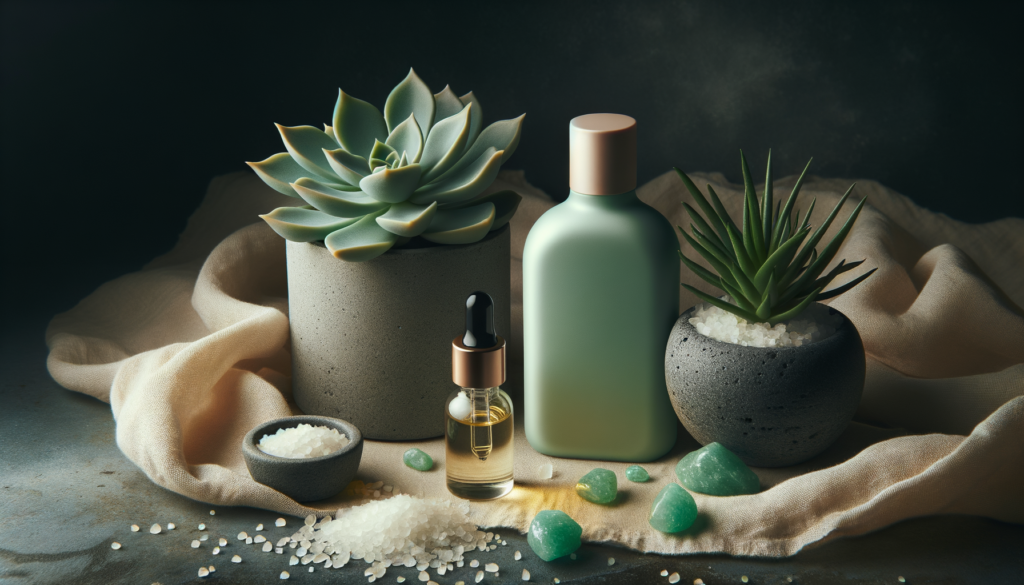
Best Sunscreens for Oily Skin That Won’t Clog Pores
Oily skin can be a challenge, especially when it comes to finding the perfect sunscreen. In fact, over 50% of people with oily skin skip sunscreen because they’re worried about breakouts or a greasy finish. But finding the best sunscreen for oily skin that won’t clog pores is not only possible, it’s essential for protecting your skin from harmful UV rays. In this guide, we’ll dive into the top sunscreens that keep your skin safe, matte, and breakout-free.
4 min read
In This Article
What Sunscreen Works Best for Oily Skin?
For those with oily skin, the key is choosing a sunscreen that is lightweight, non-comedogenic, and offers a matte finish. Look for terms like “oil-free,” “gel-based,” and “matte” on the labels. Dermatologists recommend mineral-based formulations as they often sit better on oily skin compared to chemical ones.
Top Ingredients to Look For
- Zinc Oxide: Provides broad-spectrum protection without irritation.
- Niacinamide: Helps reduce oil production and keep pores clear.
- Silica: Absorbs excess oil and keeps the skin matte.
Which Sunscreens Are Best for Avoiding Breakouts?
Breakouts can be a major concern when selecting sunscreen, but choosing non-comedogenic products can help. These products are designed not to clog pores, reducing the chances of acne.
Top Picks for Breakout-Prone Skin
- EltaMD UV Clear Broad-Spectrum SPF 46: Contains niacinamide to soothe skin and reduce oil.
- Neutrogena Hydro Boost Water Gel SPF 30: A lightweight, non-greasy gel that hydrates and protects.
- La Roche-Posay Anthelios Clear Skin Dry Touch SPF 60: Known for its dry-touch finish, ideal for oily skin.
Handpicked items you might love
How to Choose a Sunscreen for Summer?
During summer, your oily skin might feel even more difficult to manage. Choose a sunscreen that not only offers strong protection but also controls shine and stays put, even in hot weather.
| Feature | Option A | Option B | Verdict |
|---|---|---|---|
| SPF Level | 30 | 50+ | Both provide protection, but higher SPF is recommended for longer exposure. |
| Finish | Matte | Matte | Opt for formulations with silica for an extra dry touch. |
| Type | Gel-based | Cream-based | Gel-based is generally better for oily skin. |
Is Mineral Sunscreen Better for Oily Skin Types?
Mineral sunscreens are often recommended for oily skin. They physically block UV rays and are less likely to irritate sensitive skin. Plus, their natural matte finish is a boon during hot, humid days. Minerals like zinc oxide and titanium dioxide not only provide protection but also tend to absorb excess oil.
Did You Know? Some mineral sunscreens can double as a primer, reducing shine and setting your makeup.
Why Choose Mineral Over Chemical?
- Gentle on the skin, with less risk of inflammation.
- Instant protection since they work physically, not chemically.
- No harsh chemicals means reduced risk of skin irritation.
How Often Should You Reapply Sunscreen?
Once your sunscreen is on, don’t forget to keep your protection strong. Experts suggest reapplying every two hours when exposed to the sun, especially if you’re sweating or swimming. For daily wear, a top-up at midday is usually enough to keep your skin protected and shine-free.
Quick Tips for Reapplication
- Set a reminder on your phone to reapply.
- Keep a travel-size bottle in your bag for convenience.
- Use blotting paper to remove excess oil before reapplying.
Whether you’re bracing for a sunny day at the beach or just your daily commute, protecting your skin should be a priority. These recommendations are designed to keep your face clear and radiant, free from breakouts, and protected from the sun.
If you find your favorite sunscreen, ensure you bookmark this page for easy access to skin-saving tips whenever you need them.
You Might Also Like
Your journey to finding the perfect sunscreen doesn’t have to be frustrating. Understanding your skin’s needs and selecting the right product can lead to visible improvements in skin texture and clarity. Let us know about your favorite sunscreens in the comments below—sharing is caring after all!
Written by Editorial Team
Our editorial team is dedicated to bringing you the latest insights, tips, and product recommendations.
Advertisement