

Best Guide to Prioritize Organic Food on a Budget
Did you know that you can reduce pesticide intake by up to 90% by choosing organic? But how do you decide which organic foods to prioritize when your budget is tight? Let’s dive in.
3 min read
In This Article
- Why Choose Organic: The Key Benefits
- What Organic Foods Should You Buy First?
- Organic vs. Conventional: Is There a Taste Difference?
- How to Plan Your Organic Shopping List
- Interactive Quiz: Which Organic Products Fit Your Lifestyle?
- Comparison: Organic vs. Conventional Prices
- How to Save Money on Organic Foods
Why Choose Organic: The Key Benefits
What makes organic food a worthwhile choice? The focus keyword here is “organic food benefits.” Many people seek out organic foods to reduce exposure to potentially harmful chemicals and enjoy richer nutrients. Organic produce is grown without synthetic pesticides or fertilizers, which not only benefits your health but also the environment. This decision can also lead to fewer additives in packaged foods and aid sustainable farming practices.
What Organic Foods Should You Buy First?
Is there a list of organic foods that are non-negotiable? Absolutely. Here’s your essential starter kit:
- Strawberries: Known for high pesticide residues.
- Spinach: Often contains traces of toxic chemicals.
- Bell Peppers: Consistently test positive for pesticide residue levels.
These foods top the list due to their potential pesticide load, making them smart priorities for organic purchases.
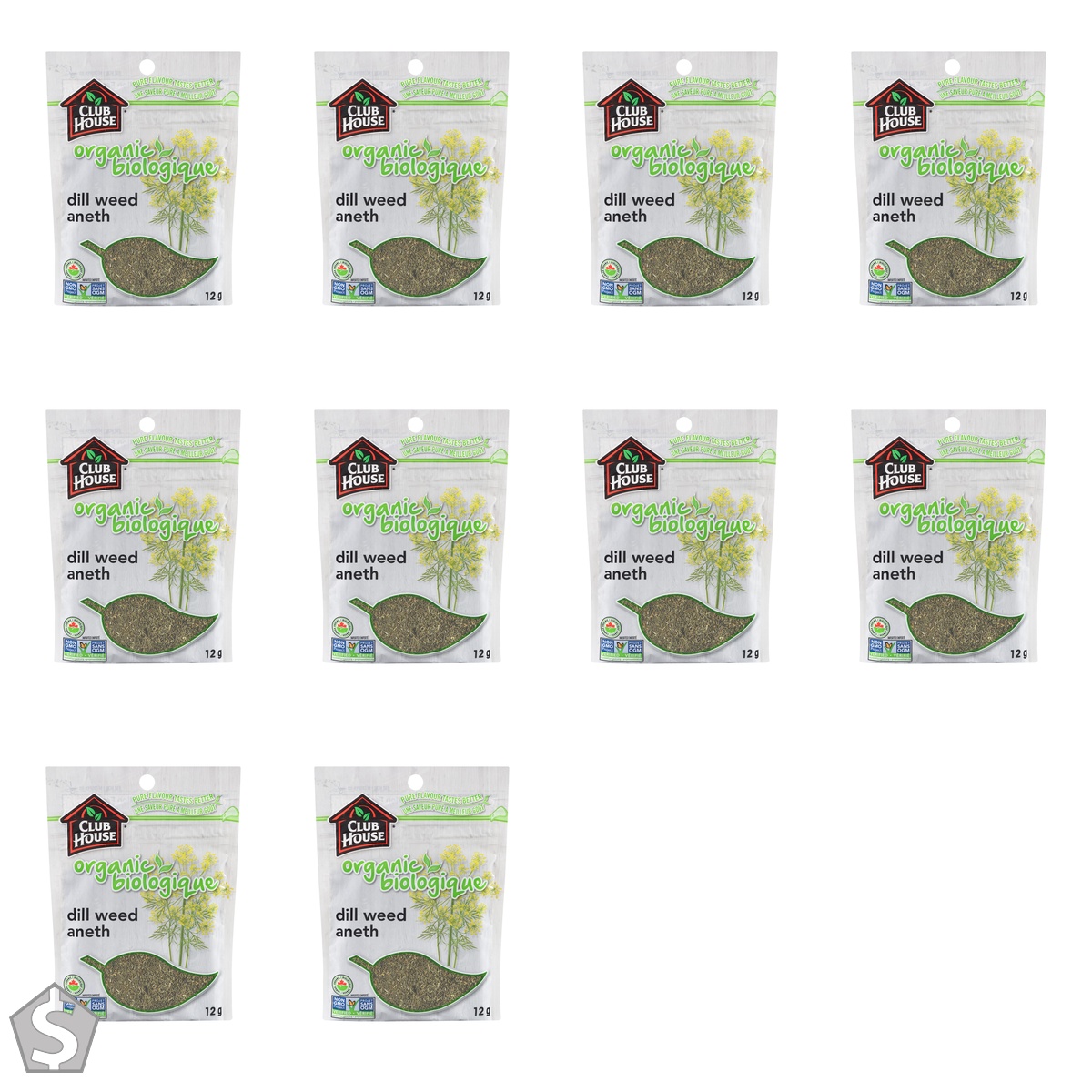
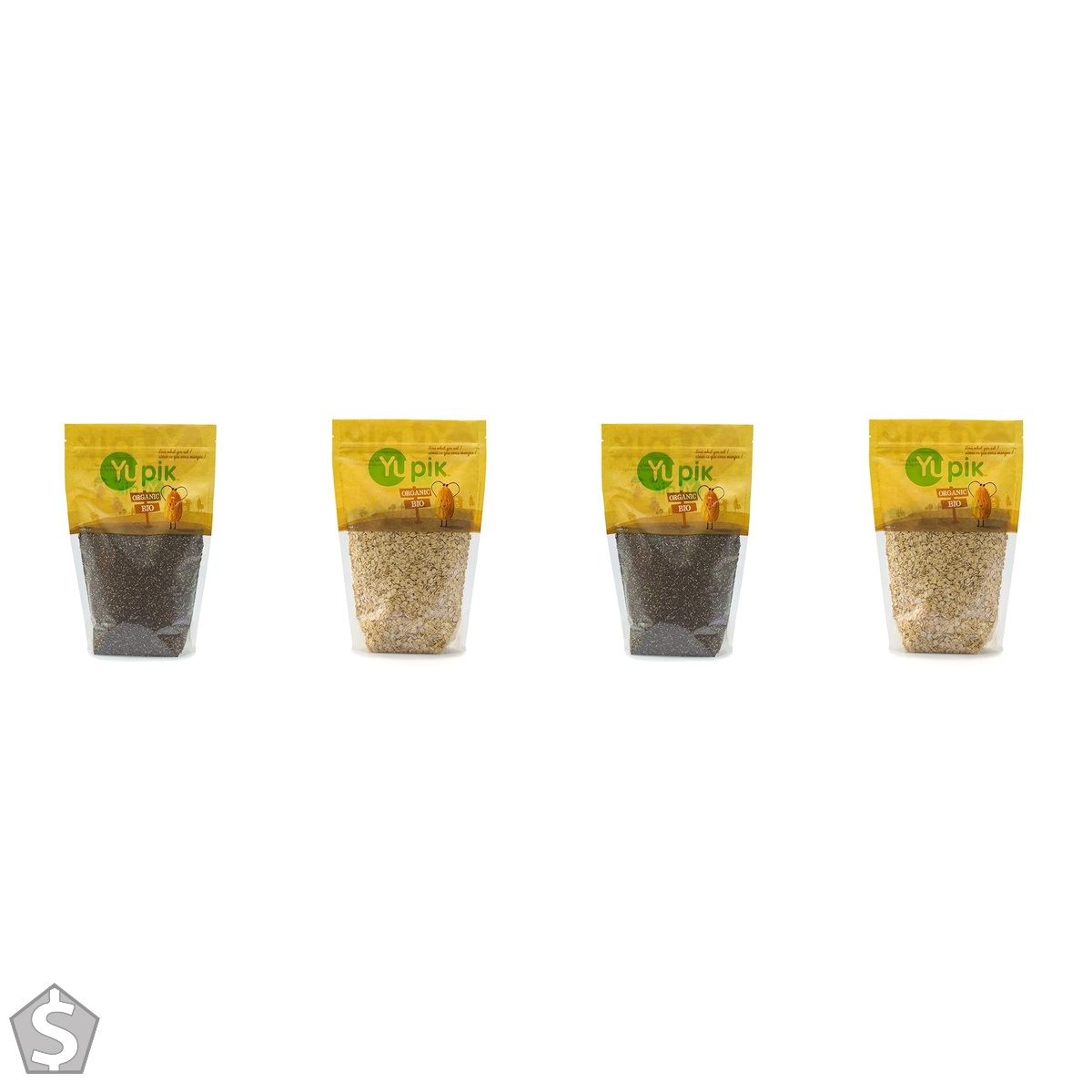
Handpicked items you might love


Organic vs. Conventional: Is There a Taste Difference?
You might wonder, is the taste of organic food genuinely superior? The answer often varies. According to a 2024 survey, up to 57% of participants reported that organic food has a fresher, better taste. The absence of synthetic additives can lead to a more natural and enjoyable flavor profile, which many consumers find appealing.
Did You Know? Organic farming can increase biodiversity by 30% compared to conventional methods, according to recent studies!
How to Plan Your Organic Shopping List
Looking to optimize your grocery list? Here are some steps:
- Check the Dirty Dozen: EWG’s list highlights produce with the highest pesticide residues.
- Invest in Organics for Children: Prioritize organic options for babies and children who are more sensitive to pesticides.
- Choose Organic for Thin-Skinned Produce: Fruits and vegetables with edible skins soak up more pesticides.
Should You Buy All Organic? Weigh the Costs
Let’s address the cost factor. According to Consumer Reports, going fully organic can increase grocery costs by nearly 40%. Thus, prioritizing certain items is crucial. Look for discounts or buy in bulk when organic produces seasonally peaks.
Interactive Quiz: Which Organic Products Fit Your Lifestyle?
Option 1: I mostly buy fresh vegetables and fruits.
Option 2: I often purchase dairy and meat products.
Option 3: Packaged snacks and cereals are my go-to’s.
Comparison: Organic vs. Conventional Prices
| Feature | Organic | Conventional |
|---|---|---|
| Cost per Pound | $3.99 | $2.49 |
| Pesticide Residue | Minimal | Higher |
| Nutrient Content | Typically Higher | Varies |
| Verdict | Go Organic! | Budget-Friendly |
How to Save Money on Organic Foods
Want to stretch your dollar even further? Here are some tips:
- Frequent local farmers’ markets for seasonal organic deals.
- Join a community supported agriculture (CSA) program for weekly organic yields.
- Utilize online grocery stores offering bulk organic options.
Consider making meals around what’s currently affordable for the best balance.
Save This! Creating a meal plan based on affordable organic foods in season can save both money and time.
Balancing organic and conventional foods doesn’t have to be an all-or-nothing decision. With a strategic approach, you can enjoy sustainable choices while maintaining financial health.
You Might Also Like
If you have found this guide helpful, explore our product selection for organically curated options or share your own organic shopping strategies with us in the comments below!
Written by Editorial Team
Our editorial team is dedicated to bringing you the latest insights, tips, and product recommendations.