
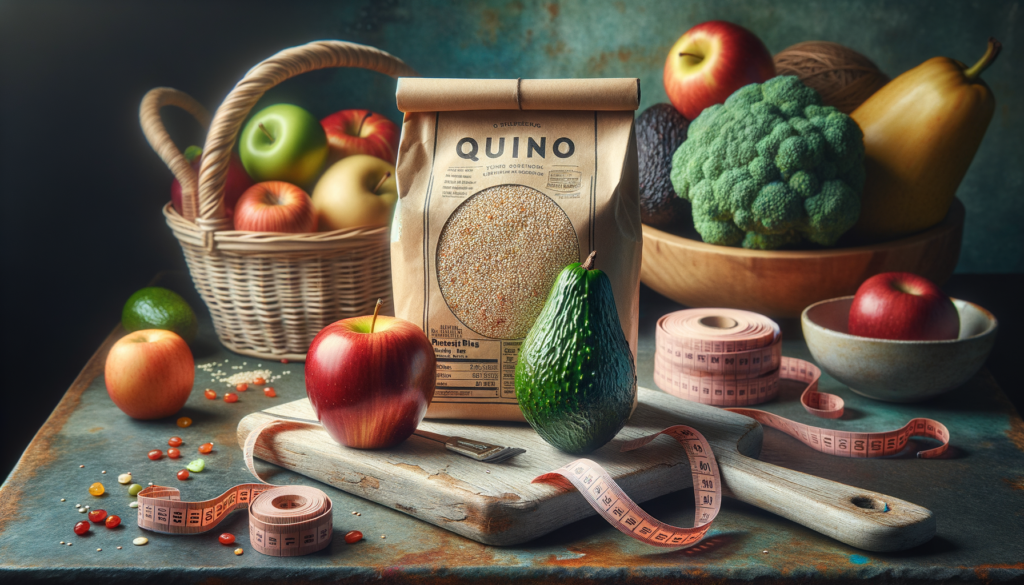
How to Read Nutrition Labels Like a Dietitian
Did you know that 60% of Americans misunderstand food labels, according to a recent study? These labels can be a maze if you don’t know where to start. In this guide, we’ll help demystify nutrition labels so you can read them like a pro — just like a dietitian would.
3 min read
In This Article
- What Are Nutrition Labels?
- How to Analyze Serving Size and Servings Per Container
- Understanding Percent Daily Value (%DV)
- Nutrients to Watch: What to Limit and What to Get More Of
- How to Detect Added Sugars on Labels
- Why Certifications and Claims Matter
- Our Verdict: Master Nutrition Labels for Healthier Eating
What Are Nutrition Labels?
Nutrition labels provide critical information about the nutrients in your food. They help you compare the nutrient content of different foods and make healthier choices. Here’s what you need to know first:
- Serving Size: Understand portion sizes to keep track of nutrients.
- Calories: Know the energy you’re consuming, which helps in managing weight.
- Macronutrients: Carbs, proteins, and fats are listed here — choose wisely for a balanced diet.
How to Analyze Serving Size and Servings Per Container
This is often misunderstood, as it dictates the nutrients and calories based on consumption. Pay attention to both serving size and servings per container because:
- A package may contain more than one serving, doubling nutrient and calorie intake.
- The serving size should align with your nutritional needs.
Why Is the Serving Size Important?
Overlooking the serving size can lead to consuming more calories and nutrients than intended. Always measure your portions to match what’s listed.
Handpicked items you might love
Understanding Percent Daily Value (%DV)
What does % Daily Value mean on a nutrition label? It shows how much a nutrient in a serving of the food contributes to a daily diet:
- 5% or less: Low
- 20% or more: High
This tool helps you gauge if a food is high or low in specific nutrients and plan meals accordingly.
Comparing %DV in Similar Products
Using %DV allows you to compare different brands or types of food for the best nutritional option.
Nutrients to Watch: What to Limit and What to Get More Of
Nutrition labels list total fats, sodium, sugars, along with essential vitamins and minerals. But what should you limit and what should you increase?
Limit These Nutrients:
- Saturated and trans fats
- Sodium
- Added sugars
Top Pick
Increase These Nutrients:
- Fiber
- Vitamins A and C, Calcium, Iron
- Protein
How to Detect Added Sugars on Labels
Added sugars can sneak into foods under various names. Here’s how you can spot them:
Did You Know? Americans consume over 150 pounds of sugar per year, significantly more than recommended.
- Look for terms like corn syrup, fructose, glucose.
- Check the Total Sugars line.
Why Certifications and Claims Matter
Have you noticed certain food labels contain “organic” or “natural”? Understanding these can help in choosing healthier options:
Understanding Organic Labels
When foods are labeled organic, it means they’re produced without synthetic pesticides or fertilizers.
Our Verdict: Master Nutrition Labels for Healthier Eating
Nutrition labels are your friend. They guide you toward healthier choices by revealing what’s really in your food. It’s all about comparison and understanding what fits into your dietary needs. Get savvy about serving sizes, daily values, and how nutrients contribute to your wellness.
You Might Also Like
Remember, while it’s great to be informed, the ultimate goal is balance. Use this knowledge hit the grocery aisles and make the best choices for your health. Have more tips? Share them in the comments below!
Written by Editorial Team
Our editorial team is dedicated to bringing you the latest insights, tips, and product recommendations.
Advertisement