
Best Ingredients for Hormonal Acne: Dermatologists’ Advice
Did you know that over 50% of women experience acne in their adult years, according to a recent dermatological survey? Hormonal acne isn’t just a teen issue—it’s a persistent problem for many adults. If you’re battling those pesky breakouts, there’s good news: certain ingredients can significantly improve your skin’s condition. Let’s explore the ingredients dermatologists are recommending for hormonal acne and why they’re effective.
4 min read
In This Article
What Are the Best Ingredients for Hormonal Acne?
For those wondering, what ingredients are best for hormonal acne?, dermatologists point to a few key players. Salicylic acid tops the list, known for its ability to cleanse pores and reduce inflammation. Additionally, benzoyl peroxide is a strong antibacterial agent that effectively kills acne-causing bacteria. Retinoids, which are derivatives of Vitamin A, also play a crucial role in regulating skin cell turnover and preventing clogged pores.
Consider these powerhouse ingredients when choosing products:
- Salicylic Acid: Penetrates deep into pores to remove impurities.
- Benzoyl Peroxide: Targets and reduces Propionibacterium acnes, the bacteria responsible for acne.
- Retinoids: Encourage cell renewal, preventing blockages.
Is Salicylic Acid Good for Hormonal Acne?
Absolutely! Salicylic acid is among the top recommendations made by dermatologists for hormonal acne. This beta hydroxy acid (BHA) works by diving deep into the skin to unclog pores, target blackheads, and decrease redness and swelling.
How to Properly Use Salicylic Acid
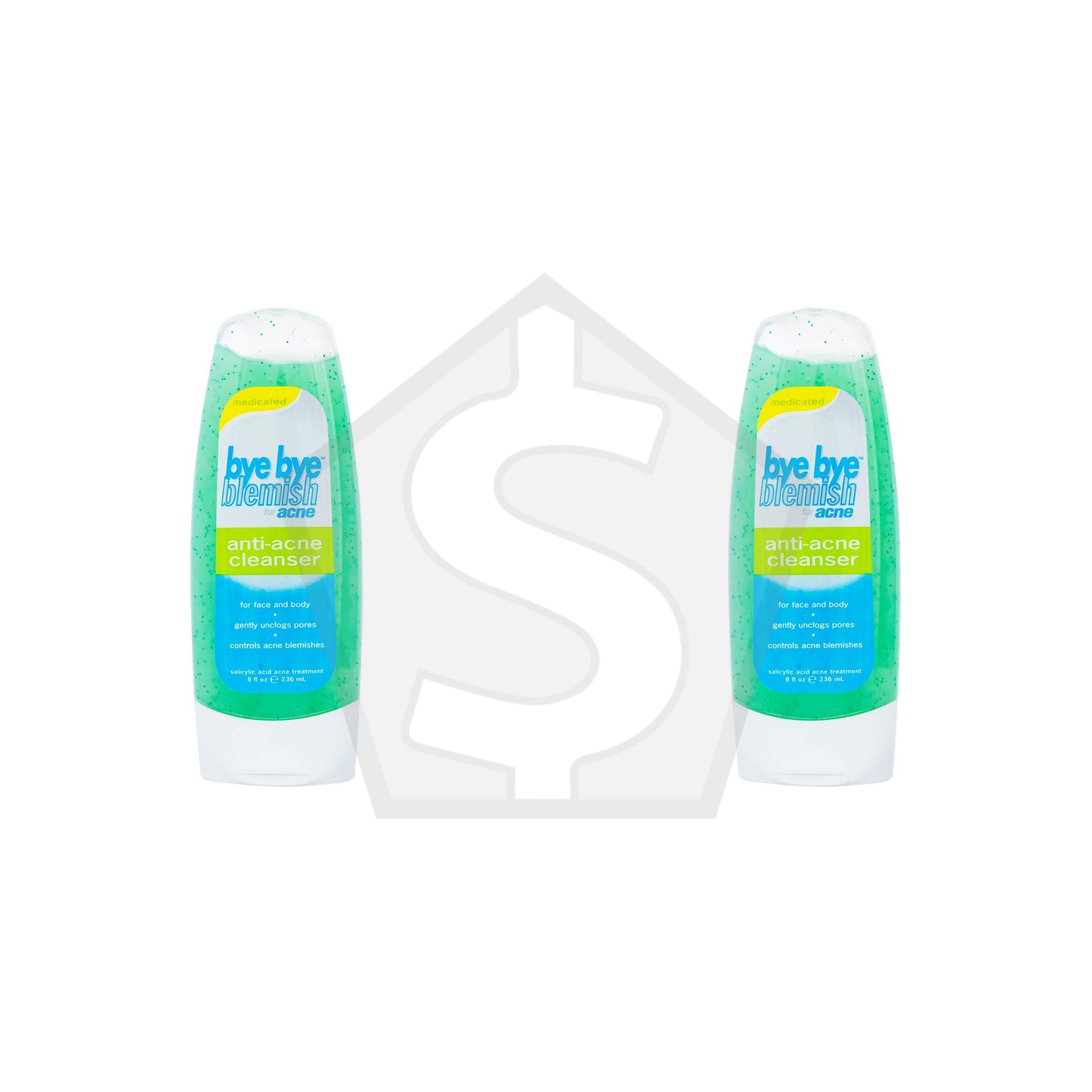
Use a salicylic acid cleanser or spot treatment daily. It’s essential to start with a low concentration to avoid dryness and irritation. Moisturize your skin well, as salicylic acid can be drying to sensitive complexions.
Always patch test new products with salicylic acid to ensure permeability and avoid unexpected reactions.
Handpicked items you might love
How Effective is Benzoyl Peroxide for Hormonal Acne?
Benzoyl peroxide works by introducing oxygen into the skin, which acne-causing bacteria can’t survive. It’s especially helpful for inflamed spots with pus. However, it can be drying and irritating, so it should be used sparingly and paired with a gentle moisturizer.
Using Benzoyl Peroxide Safely
Start with a 2.5% concentration, gradually increasing if needed. Apply it once daily, ideally at night, to reduce sensitivity to sunlight during the day.
Use benzoyl peroxide-treated pillowcases or linens to prevent bleaching; it may stain fabrics.
Are Retinoids a Solution for Hormonal Acne?
Retinoids, including the over-the-counter retinol and prescription-strength versions, are renowned for their ability to prevent breakouts and improve skin texture. They promote cell turnover, which keeps pores clear and diminishes existing blemishes.
- Common Mistakes: Avoid applying too much retinoid initially. Start with a pea-sized amount to reduce potential irritation.
- Complementary Use: Pair with a hydrating moisturizer to counteract drying effects.
“Did You Know?” Retinoids not only help with acne, but they also boast anti-aging benefits, smoothing out fine lines and wrinkles over time.
Do Natural Options Like Tea Tree Oil Work?
For those preferring natural remedies, tea tree oil is a promising alternative. It possesses antibacterial properties and can be less irritating than benzoyl peroxide for some.
How to Apply Tea Tree Oil for Hormonal Acne
It’s advisable to dilute tea tree oil with a carrier oil (like jojoba or sweet almond) before application. Dab sparingly on affected areas twice a day.
What Are the Key Takeaways for Managing Hormonal Acne?
Salicylic acid and benzoyl peroxide are effective for clearing pores and killing bacteria.
Retinoids improve cell turnover, reducing acne and fine lines.
Tea tree oil offers a natural alternative to chemical treatments.
Consistency in skincare routine is vital for results.
You Might Also Like
In your journey to clearer skin, remember to choose products wisely and be patient with results. And don’t forget to consult with a dermatologist to tailor a regimen that suits your unique skin type. Feel free to explore our curated collection of dermatologist-recommended acne products and share your skincare victories below!
Written by Editorial Team
Our editorial team is dedicated to bringing you the latest insights, tips, and product recommendations.