
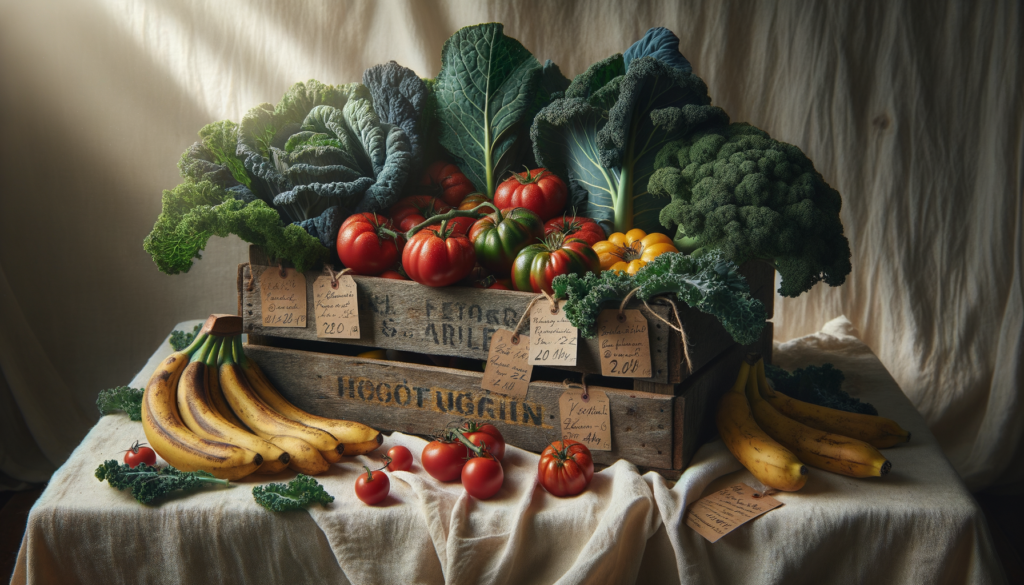
Choosing between organic and conventional foods can be a daunting task, especially when you’re working with a limited budget. Yet, understanding how to prioritize organic purchases can help you enjoy the benefits of organic eating without breaking the bank. Let’s explore how you can make practical decisions when it comes to buying organic food.
3 min read
In This Article
Why Choose Organic?
The allure of organic food lies in its potential health benefits and environmental impact. Organic products are grown without synthetic pesticides, genetically modified organisms (GMOs), or artificial fertilizers. This often results in higher nutrient levels and reduced exposure to chemicals, making organic a healthier choice for certain types of produce.
Start with the Dirty Dozen
If budget constraints allow you to prioritize only a few organic items, turn to the Environmental Working Group’s (EWG) “Dirty Dozen” list. This list highlights the fruits and vegetables that tend to have the highest levels of pesticide residues when conventionally grown. Examples include strawberries, spinach, and apples.
- Strawberries
- Spinach
- Kale, collard, and mustard greens
- Nectarines
- Apples
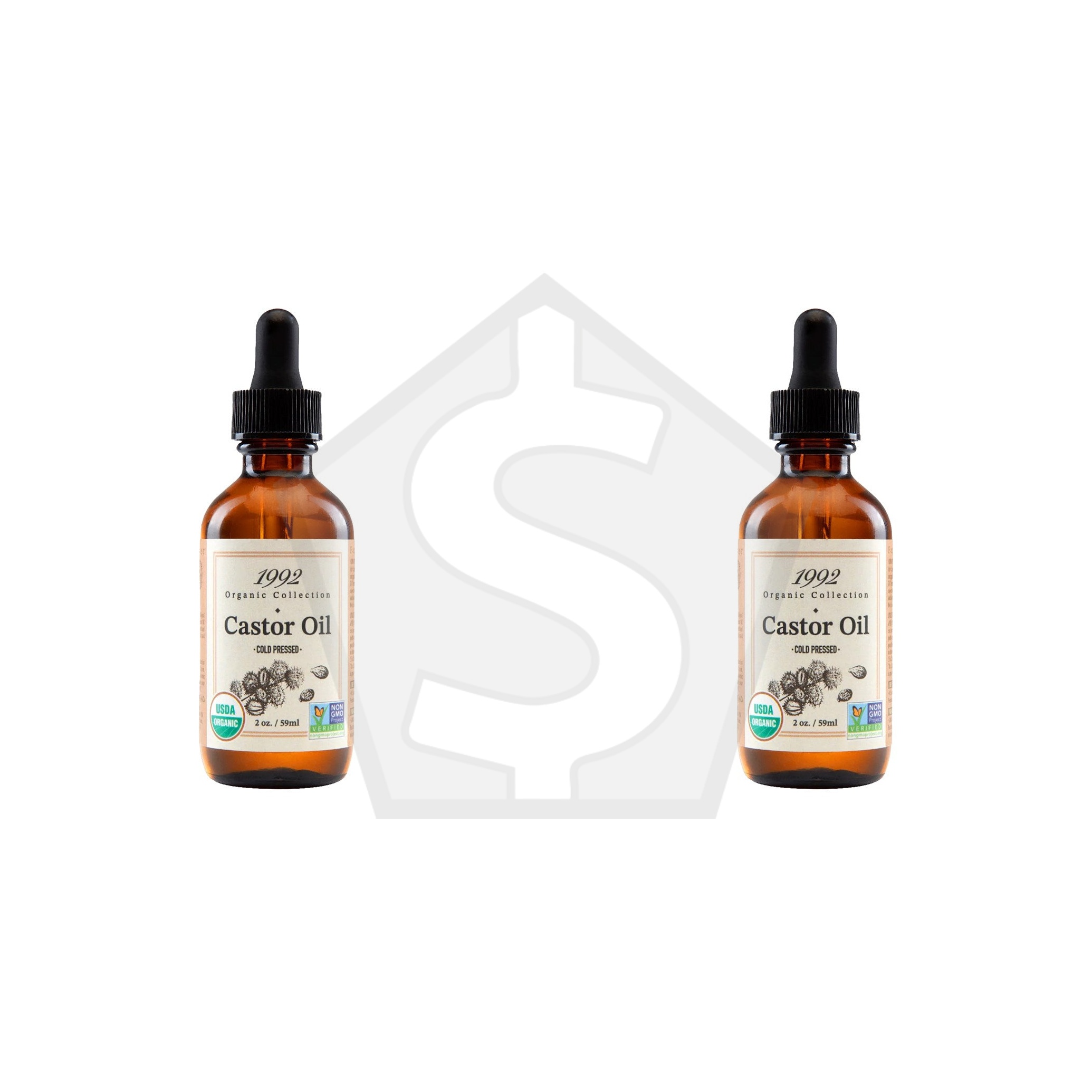
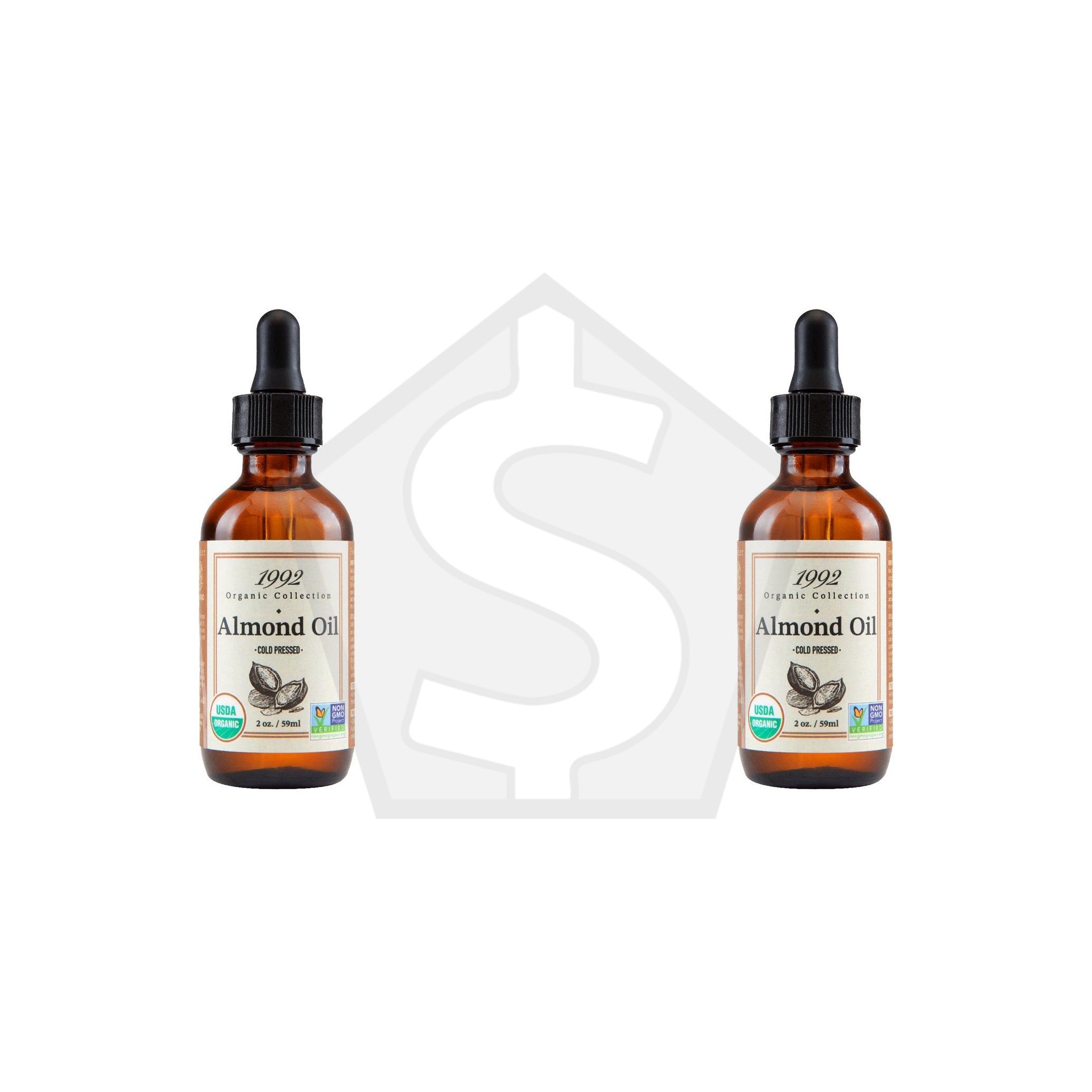
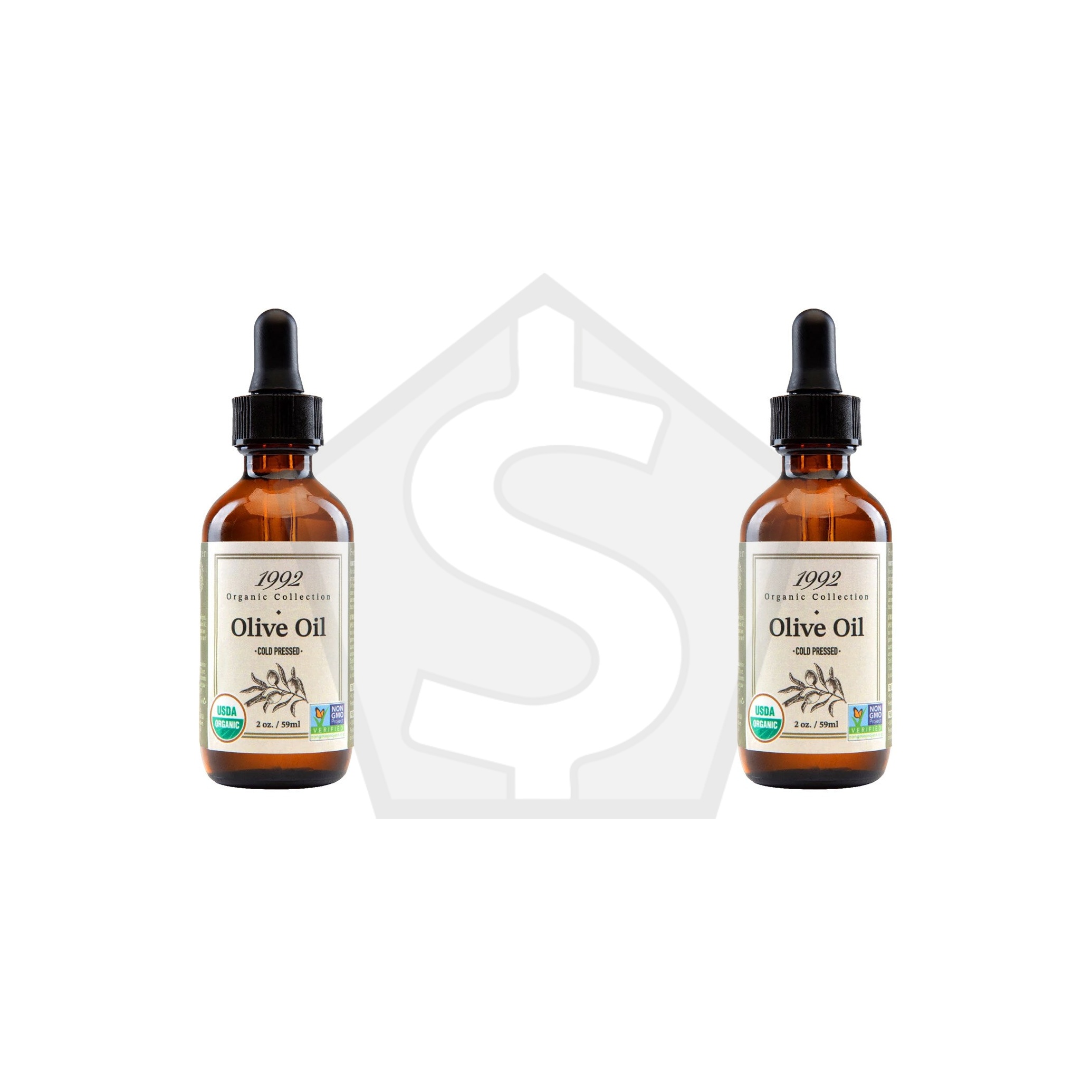
Shop Related Products
Handpicked items you might love
Look for Sales and Discounts
One simple way to afford more organic products is to watch for sales and discounts. Many grocery stores frequently offer promotions on organic produce. Signing up for your favorite store’s newsletters or loyalty programs can provide you with early notifications of sales, allowing you to plan your organic shopping more effectively.
Buy in Bulk
Purchasing in bulk is a money-saving strategy that can significantly reduce costs per unit. Consider buying organic staples like grains, beans, and nuts in larger quantities. Many bulk sections also offer discounts for organic options, which can stretch your dollar further.
Pro Tip: Consider visiting local farmers’ markets where organic produce may be fresher and less expensive than in regular supermarkets.
Grow Your Own Organic Vegetables
If you have a green thumb, growing your own vegetables can be an economical and fulfilling way to access organic foods. Even a small garden or a few pots on a balcony can yield produce such as tomatoes, lettuce, and herbs throughout the growing season.
For those new to gardening, start small and choose easy-to-grow plants. It’s a rewarding endeavor that not only helps save money but also ensures you know exactly how your food is grown.
Transitioning to organic food on a budget requires thoughtful planning and prioritization. By focusing on items like the Dirty Dozen, keeping an eye out for discounts, and even starting your own garden, you can enjoy the benefits of organic without financial strain.
You Might Also Like
Ready to go organic? Browse our selection of organic food options and make every meal a mindful choice.
Written by Editorial Team
Our editorial team is dedicated to bringing you the latest insights, tips, and product recommendations.
Advertisement