
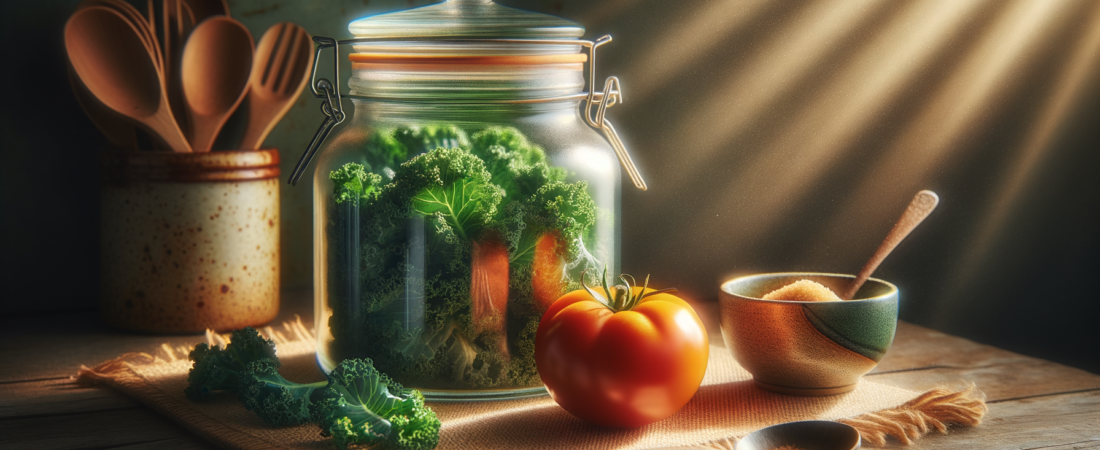
Food Storage Tips: Is It Unsafe or Still Good?
Are you ever uncertain whether your groceries are fresh or fit for the bin? Statistics show that households throw away approximately 30% of food due to preventable waste, much of it because of uncertainty about freshness. Understanding the signs of spoilage can save you money and prevent foodborne illness while ensuring your meals are delicious and safe.
3 min read
In This Article
How to Know If Your Food Has Gone Bad?
Recognizing when food is no longer safe to consume is crucial. The first signs of spoilage are often visual or olfactory. If food has an unusual appearance or sour smell, it’s likely unsafe.
Visual Signs of Spoilage
- Mold: Visible mold usually means throw it out, except for hard cheeses where it can be cut away with a wide margin.
- Discoloration: Fruits and vegetables may brown over time, but extensive color changes can indicate decay.
Sensory Indicators
Use your senses—smell or feel anything unusual? Trust your gut and dispose of any suspect items. Funky odors, such as ammonia-like smells from fish or a sour dairy scent, signal that your food needs tossing.
What Are the Signs That Food Is Still Safe?
Not all changes mean your food has gone bad. Understanding natural, safe deviations can help reduce waste.
Natural Aging Process
- Brown Spots: Bananas and avocados naturally brown but are still safe to eat until overly mushy.
- Hardening: Bread becomes stale but remains edible if no visible mold is present.
Did You Know?
Some cheeses like Brie develop a harmless white film that could be mistaken for spoilage but is natural and safe.
Handpicked items you might love
Pros & Cons of Keeping Food Longer
✓ Pros
- Reduces waste and saves money
- Encourages creative meal prep
- Less frequent shopping, saving time
❌ Cons
- Risk of consuming unsafe food
- Potential nutrient loss over time
- May impact taste and texture
Practical Tips for Extending Food Freshness
Utilize these strategies to maximize shelf life.
Storage Solutions
- Proper Temperature: Keep your refrigerator below 40°F (4°C) to slow bacterial growth.
- Humidity Control: Store leafy greens in a high-humidity drawer to prevent wilting.
Planning Ahead
Organize your grocery trips to reduce overbuying. Tip: Write out meals for the week before hitting the store to avoid impulse buys.
Understanding Food Labels: Best Before vs. Use By
Food labels can be confusing. Here’s a breakdown:
- Best Before: Indicates when the product will be at its peak quality, not its safety.
- Use By: Marks the date when the product is no longer safe to consume.
What’s Your Experience?
Do you have tips for keeping food fresh longer? Share your experience in the comments—it might just become someone else’s lifesaver hack!
Bottom Line
You Might Also Like
By following these tips, you can extend your food’s shelf life and enjoy fresher meals. Explore our groceries section for fresh produce and pantry staples that will help you store food effectively. Share your tips or questions, and keep the conversation going!
Written by Editorial Team
Our editorial team is dedicated to bringing you the latest insights, tips, and product recommendations.