
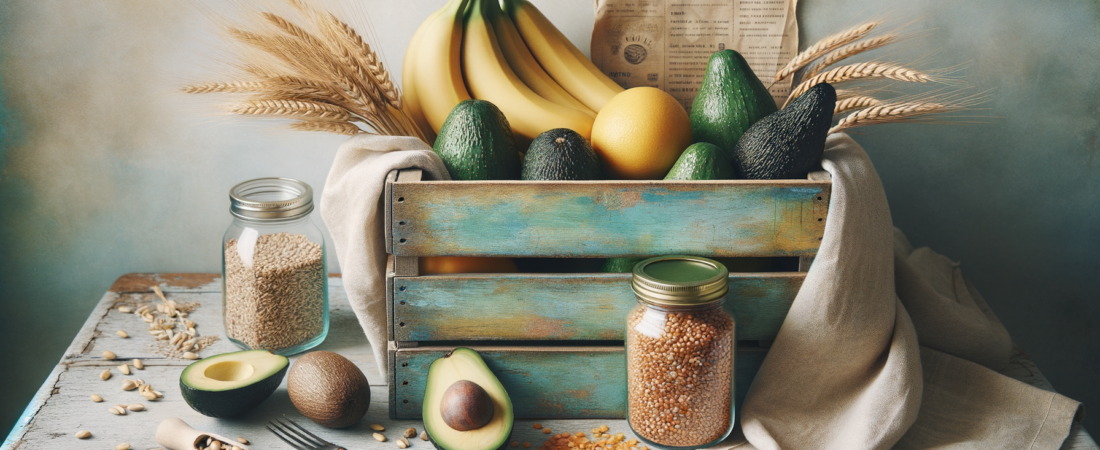
Shopping for gluten-free groceries can feel overwhelming, especially if you’re new to the lifestyle or managing celiac disease. With careful planning and the right grocery list, you can create delicious, nutritious meals while avoiding cross-contamination and hidden gluten sources.
6 min read
In This Article
Whether you’re shopping for yourself, a family member, or simply exploring gluten-free options, this comprehensive weekly grocery list will ensure you have everything needed for balanced, satisfying meals that won’t leave you feeling restricted.
Essential Gluten-Free Pantry Staples
Building a well-stocked gluten-free pantry is the foundation of successful meal planning. These shelf-stable ingredients will serve as the backbone for countless recipes throughout the week.
🌾 Gluten-Free Grains & Flours
- Brown rice and white rice: Perfect for stir-fries, grain bowls, and side dishes
- Quinoa: Complete protein source that’s incredibly versatile
- Gluten-free oats: Look for certified labels to avoid cross-contamination
- Almond flour: Great for baking and coating proteins
- Coconut flour: High-fiber option for pancakes and baked goods
- Gluten-free all-purpose flour blend: Essential for traditional baking
When selecting grains and flours, always check for certification symbols. Cross-contamination during processing is common with oats and alternative flours, so certified gluten-free labels provide peace of mind for those with celiac disease.
Store these items in airtight containers to maintain freshness and prevent pantry pests. Label containers with purchase dates to ensure you’re using older items first.
Fresh Produce: Your Naturally Gluten-Free Foundation
Fresh fruits and vegetables form the cornerstone of any healthy gluten-free diet. They’re naturally free from gluten and packed with essential nutrients, fiber, and antioxidants your body needs.
🥬 Weekly Vegetable Essentials
- Leafy greens: Spinach, kale, arugula for salads and smoothies
- Cruciferous vegetables: Broccoli, cauliflower, Brussels sprouts
- Root vegetables: Sweet potatoes, carrots, beets
- Alliums: Onions, garlic, shallots for flavor building
- Bell peppers: All colors for vitamins and crunch
- Zucchini: Versatile for spiralizing or baking
For fruits, focus on a variety of colors to maximize nutrient diversity. Berries are particularly beneficial due to their high antioxidant content and lower sugar levels. Bananas provide quick energy and potassium, while citrus fruits offer vitamin C and natural brightness to meals.
Buy organic when possible for the “Dirty Dozen” produce items, and consider frozen options for out-of-season fruits and vegetables. Frozen produce is often more affordable and just as nutritious as fresh.
Handpicked items you might love
Protein Sources That Keep You Satisfied
Protein is crucial for maintaining stable blood sugar, building muscle, and feeling satisfied between meals. Fortunately, many excellent protein sources are naturally gluten-free.
Animal proteins like chicken, turkey, beef, pork, fish, and eggs are naturally gluten-free in their whole, unprocessed forms. However, be cautious with processed meats, marinades, and breading, which may contain gluten.
🥩 Weekly Protein Planning
- Lean meats: Chicken breasts, ground turkey, lean beef
- Fish: Salmon, cod, tuna (fresh or canned in water)
- Eggs: Versatile for any meal of the day
- Plant proteins: Legumes, nuts, seeds
- Dairy: Greek yogurt, cottage cheese, milk
For plant-based proteins, beans and lentils are excellent choices that also provide fiber and complex carbohydrates. Nuts and seeds offer healthy fats along with protein. Almonds, walnuts, chia seeds, and hemp hearts are particularly nutritious options.
When buying processed proteins like deli meats or sausages, carefully read labels and look for gluten-free certification. Many contain fillers or seasonings that include gluten-containing ingredients.
Dairy and Dairy Alternatives
Most plain dairy products are naturally gluten-free, but flavored varieties may contain gluten-based thickeners or additives. Understanding which products to choose ensures you’re getting the calcium and probiotics you need without hidden gluten.
Plain milk, yogurt, and cheese are typically safe choices. Greek yogurt is particularly beneficial due to its high protein content and probiotic benefits for digestive health.
🥛 Dairy & Alternative Options
- Plain Greek yogurt: High protein, probiotics
- Unsweetened almond milk: Low calorie, vitamin E
- Coconut milk: Creamy texture, healthy fats
- Natural cheeses: Cheddar, mozzarella, goat cheese
- Butter: Pure butter is gluten-free
For those avoiding dairy, plant-based alternatives like almond, oat, coconut, and soy milk are excellent options. However, some oat milk brands may contain gluten due to cross-contamination, so look for certified gluten-free versions.
Avoid flavored yogurts, processed cheese products, and specialty coffee creamers unless they’re specifically labeled gluten-free, as these often contain stabilizers and flavorings that may include gluten.
Smart Snacking and Convenience Foods
Having gluten-free snacks and quick meal options on hand prevents impulse purchases of potentially problematic foods. Smart snacking also helps maintain stable energy levels throughout the day.
Focus on whole food snacks when possible. Fresh fruit, vegetables with hummus, nuts, and seeds provide sustained energy without the crash associated with processed snack foods.
🍿 Healthy Snack Options
- Rice cakes: Plain or lightly flavored varieties
- Gluten-free crackers: Made from seeds or alternative grains
- Popcorn: Air-popped or minimal ingredient varieties
- Nut butters: Almond, peanut, or sunflower seed butter
- Dried fruits: Without added sugars or preservatives
- Gluten-free granola bars: Check ingredients carefully
For convenience meals, gluten-free pasta made from brown rice, quinoa, or legumes provides quick dinner solutions. Pair with simple sauces made from tomatoes, olive oil, and herbs for nutritious meals in minutes.
Canned soups and broths can be helpful for quick meals, but many contain wheat-based thickeners. Look for specifically labeled gluten-free versions or make your own using bone broth and fresh vegetables.
Shopping Tips for Success
Successful gluten-free shopping requires strategy and preparation. These practical tips will help you navigate the grocery store efficiently while ensuring you don’t miss important items or accidentally purchase products containing gluten.
Always read labels carefully, even on products you’ve purchased before. Manufacturers sometimes change formulations, and a previously safe product may no longer be gluten-free.
Shop the perimeter of the store first, where fresh, whole foods are typically located. This ensures you’re building meals around naturally gluten-free ingredients before adding processed items.
📝 Essential Shopping Strategies
- Use smartphone apps to verify gluten-free status of products
- Shop dedicated gluten-free sections for specialty items
- Buy in bulk for frequently used items like rice and quinoa
- Plan meals around sales to optimize your budget
- Keep a running list of safe products and brands
Consider shopping at stores with robust gluten-free selections. Many major chains now have dedicated gluten-free aisles, and natural food stores often carry wider selections of alternative products.
Don’t forget to check for cross-contamination in bulk bins and deli sections. While the products themselves may be gluten-free, shared scoops and slicers can introduce gluten contamination.
You Might Also Like
With this comprehensive grocery list and shopping strategy, you’re equipped to create a week’s worth of delicious, satisfying gluten-free meals. Remember that eating gluten-free doesn’t mean sacrificing flavor or nutrition – it simply requires a bit more planning and awareness. Focus on whole, naturally gluten-free foods as your foundation, and you’ll discover a world of culinary possibilities that support your health and taste preferences.
Written by Editorial Team
Our editorial team is dedicated to bringing you the latest insights, tips, and product recommendations.