
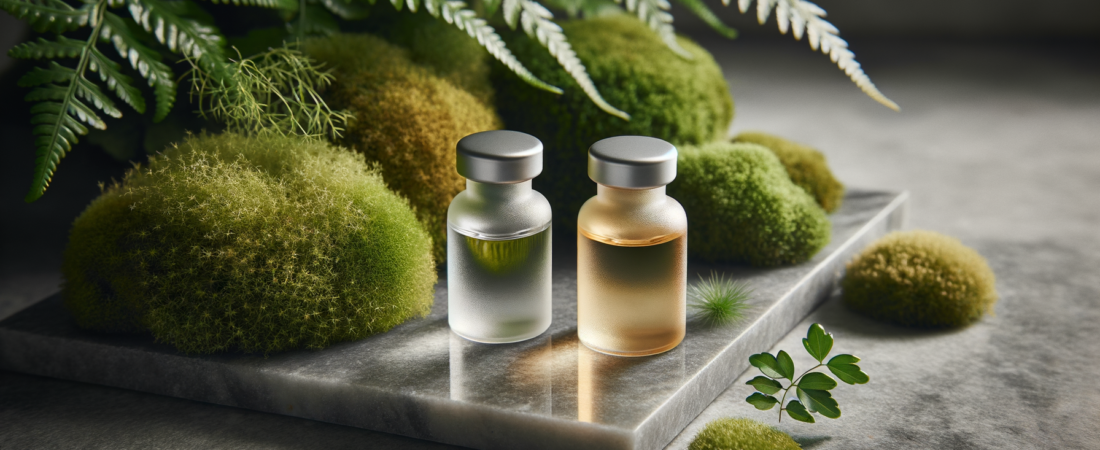
When it comes to keeping your skin plump, hydrated, and glowing, two powerhouse ingredients consistently top dermatologists’ recommendations: hyaluronic acid and glycerin. Both are humectants that draw moisture to your skin, but they work in distinctly different ways and offer unique benefits. If you’ve ever stood in the skincare aisle wondering which one deserves a spot in your routine, you’re not alone.
6 min read
In This Article
Understanding the science behind these hydrating heroes will help you make informed decisions about your skincare investments. Let’s dive deep into what makes each ingredient special and discover which one might be your skin’s new best friend.
Understanding Hyaluronic Acid: The Moisture Magnet
Hyaluronic acid (HA) is a naturally occurring substance in your skin that can hold up to 1,000 times its weight in water. Think of it as your skin’s internal sponge, plumping cells from within and creating that coveted dewy complexion. As we age, our natural hyaluronic acid production decreases, leading to fine lines, dullness, and that frustrating feeling of perpetually thirsty skin.
In skincare formulations, hyaluronic acid comes in different molecular weights. Low molecular weight HA penetrates deeper into the skin layers, while high molecular weight HA sits on the surface, providing immediate plumping effects. This versatility makes it suitable for all skin types, including sensitive and acne-prone skin.
✨ Quick Fact
Your skin naturally contains about 15 grams of hyaluronic acid, with roughly half of it concentrated in your skin tissue. This makes topical HA incredibly compatible with your skin’s natural processes.
The beauty of hyaluronic acid lies in its ability to adapt to your environment. In humid conditions, it draws moisture from the air. In drier climates, it pulls hydration from deeper skin layers to the surface, though this is why layering it under a moisturizer is crucial to prevent trans-epidermal water loss.
Glycerin: The Gentle Hydration Champion
Glycerin, also known as glycerol, is a simple but mighty humectant that’s been a skincare staple for over a century. Derived from plant oils or produced synthetically, glycerin is incredibly gentle and effective at maintaining skin hydration. Unlike some trendy ingredients that promise overnight miracles, glycerin delivers consistent, reliable results.
This colorless, odorless liquid works by creating a protective barrier on your skin’s surface while simultaneously drawing moisture from both the environment and deeper skin layers. What sets glycerin apart is its ability to strengthen your skin barrier function over time, making your skin more resilient against environmental stressors.
Glycerin is particularly beneficial for people with compromised skin barriers, including those with eczema, dermatitis, or extremely dry skin. Its molecular structure allows it to integrate seamlessly with your skin’s natural moisturizing factors, supporting long-term skin health rather than just providing temporary relief.
🔬 Science Spotlight
Studies show that glycerin can increase skin hydration by up to 600% and maintain this effect for up to 24 hours after application, making it one of the most reliable hydrating ingredients available.
Handpicked items you might love
Head-to-Head Comparison: Performance and Benefits
When comparing these hydrating powerhouses, several key factors come into play. Molecular size is perhaps the most significant difference. Hyaluronic acid molecules are larger and primarily work on the skin’s surface and upper layers, providing immediate plumping effects. Glycerin’s smaller molecules penetrate more easily, working throughout multiple skin layers.
Hydration mechanism varies between the two. Hyaluronic acid creates a moisture reservoir that can be tapped as needed, while glycerin provides steady, consistent hydration by improving your skin’s natural water-holding capacity. This makes HA better for dramatic, immediate results, while glycerin excels at long-term skin health maintenance.
| Factor | Hyaluronic Acid | Glycerin |
|---|---|---|
| Water-holding capacity | 1,000x its weight | Absorbs up to 40% humidity |
| Penetration depth | Surface to mid-layers | Multiple layers |
| Best for | Immediate plumping | Long-term hydration |
| Price point | Moderate to high | Very affordable |
Environmental sensitivity is another crucial consideration. Hyaluronic acid can sometimes backfire in very dry climates (below 45% humidity) by pulling moisture from your skin rather than the air. Glycerin is more stable across different humidity levels, making it the safer choice for those living in arid regions or traveling frequently.
Which Ingredient is Right for Your Skin Type?
Your skin type and concerns should guide your choice between these hydrating ingredients. For oily and acne-prone skin, hyaluronic acid often takes the lead. Its lightweight, non-comedogenic properties provide intense hydration without clogging pores or adding unwanted heaviness. The gel-like texture of most HA serums absorbs quickly, making it perfect for layering under lightweight moisturizers.
Dry and mature skin types benefit immensely from glycerin’s barrier-repairing properties. As we age, our skin barrier becomes less efficient at retaining moisture. Glycerin not only provides immediate hydration but also helps rebuild and strengthen this crucial protective layer over time. The result is skin that looks plumper and feels more resilient.
💡 Pro Tip
Combination skin? You don’t have to choose! Use hyaluronic acid on oilier areas like your T-zone and glycerin-rich products on drier areas like your cheeks. This targeted approach maximizes benefits for each area’s specific needs.
Sensitive skin often responds beautifully to glycerin due to its gentle, non-irritating nature and natural compatibility with skin. While hyaluronic acid is generally well-tolerated, some people experience sensitivity to certain molecular weights or preservatives used in HA formulations.
For those dealing with specific concerns like fine lines and immediate plumping effects, hyaluronic acid’s dramatic water-binding capacity makes it the clear winner. However, if you’re focused on overall skin health, barrier repair, and consistent hydration, glycerin’s proven track record and multifaceted benefits make it invaluable.
The Winning Strategy: Why Not Both?
Here’s the plot twist: you don’t necessarily have to choose between hyaluronic acid and glycerin. Many dermatologists recommend using both ingredients in your routine for comprehensive hydration that addresses immediate and long-term skin needs. This layering approach, often called “hydration sandwiching,” maximizes the benefits of each ingredient.
The key is understanding the correct application order and complementary formulations. Start with hyaluronic acid on damp skin to maximize its water-binding potential, then follow with a glycerin-containing moisturizer to seal in hydration and support barrier function. This combination provides both the immediate plumping effects of HA and the sustained, barrier-supporting benefits of glycerin.
🌟 Expert Recommendation
For optimal results, apply hyaluronic acid serum to slightly damp skin, wait 2-3 minutes for absorption, then apply a glycerin-rich moisturizer. This technique locks in maximum hydration while supporting your skin’s natural barrier function.
When shopping for products, look for formulations that already combine these ingredients thoughtfully. Many high-quality serums and moisturizers feature both hyaluronic acid and glycerin in concentrations that work synergistically, eliminating the guesswork of layering separate products.
Ultimately, the “better” ingredient depends on your individual skin needs, climate, budget, and skincare goals. Hyaluronic acid excels at providing dramatic, immediate hydration and plumping effects, making it ideal for those seeking visible results quickly. Glycerin shines as a gentle, reliable hydrator that builds long-term skin health and resilience.
You Might Also Like
Consider starting with glycerin if you’re new to hydrating ingredients or have sensitive skin, as it’s gentler and more universally tolerated. If your skin already handles active ingredients well and you’re seeking more dramatic hydration effects, hyaluronic acid might be your perfect match. Remember, the best skincare routine is one you’ll consistently follow, so choose ingredients and products that fit seamlessly into your lifestyle and budget.
Written by Editorial Team
Our editorial team is dedicated to bringing you the latest insights, tips, and product recommendations.