
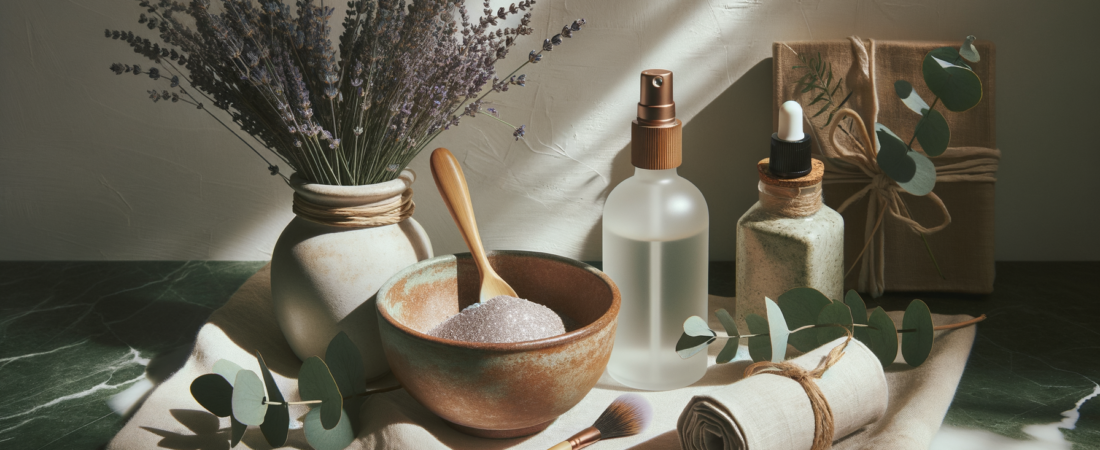
Understanding Organic Beauty Labels: A Complete Guide
Did you know that not all ‘organic’ beauty products are created equal? In fact, without the right certifications, some products might just be jumping on the natural bandwagon. Navigating the world of organic beauty labels can be overwhelming, but understanding which certifications matter most can transform your skincare regimen effectively.
4 min read
In This Article
What Does ‘Organic’ Really Mean in Beauty?
In the beauty industry, a product labeled ‘organic’ might not be as straightforward as it seems. Let’s decipher what ‘organic’ signifies and why it matters. Organic beauty products are those made using organically farmed ingredients, meaning they are grown without the use of synthetic fertilizers, pesticides, or genetically modified organisms (GMOs).
The goal is to ensure that the final product is as close to nature as possible, minimizing harmful chemical exposure to both your skin and the environment. According to the Soil Association, organic farming reduces pollution, conserves water, and improves soil fertility.
Are All Natural Products Organic?
Not necessarily. ‘Natural’ is a less regulated term, meaning a product can contain natural elements but still include harmful synthetics unless certified. Being ‘organic’ specifically indicates adherence to stringent agricultural practices.
Key Certifications to Look For
When trying to choose truly organic products, certifications are crucial. Here are some of the most significant ones:
- USDA Organic: Products must be composed of at least 95% organic ingredients, excluding water and salt.
- EcoCert: Requires that at least 95% of plant-based ingredients in the formula and a minimum of 10% of all ingredients by weight be organic.
- COSMOS Organic: At least 95% of physically processed agricultural ingredients must be organic, with a specific focus on environmental impact.
Are These Certifications Global?
While widely recognized, these certifications vary by region. For instance, USDA is specific to the United States, whereas COSMOS has a European focus but provides a globally recognized standard.
Handpicked items you might love
Why Do Certifications Matter?
Choosing certified organic beauty products benefits not just your skin but also the planet. Here are a few key reasons:
- Ensures no harmful chemicals are present, reducing potential irritation or allergies.
- Supports sustainable farming methods that protect biodiversity and ecosystems.
- Provides consumers transparency and trust in the brand’s commitment to ethical production practices.
Pros
- ✔ Reduces skin’s exposure to harmful chemicals
- ✔ Supports eco-friendly and sustainable farming
- ✔ Promotes transparency and consumer trust
Cons
- ✘ Often more expensive than non-organic options
- ✘ Availability can be limited in certain regions
- ✘ Not all organic claims are certified – requires due diligence
How to Spot Fake Organic Claims
Unfortunately, some products exploit consumer interests with misleading claims. Look for these red flags to identify deceitful labels:
- Vague Language: Terms like ‘natural’ or ‘pure’ without certifications.
- Non-Transparent Ingredients List: Absence of a clear, detailed ingredients list can hint at hidden synthetics.
- Lack of Certification Logos: If no official logos like USDA or EcoCert are present, proceed with caution.
Did You Know? According to a 2023 industry report, over 50% of consumers struggle to differentiate between truly organic products and those with misleading claims.
How is Organic Different from Cruelty-Free?
While both terms often appear together, they represent different standards. An organic product focuses on cultivation without harmful chemicals, whereas cruelty-free indicates the product is developed or manufactured without inhumane treatment of animals.
However, a product can be both organic and cruelty-free, offering a higher ethical standard. Always check for both certifications if you wish to adhere to these values.
Which Should You Prioritize?
It depends on your values. If avoiding chemicals is your goal, prioritize organic. If animal welfare is crucial, look for cruelty-free labeling. Ideally, seek products that marry both.
Bottom Line
Understanding and identifying genuine organic beauty labels can profoundly impact your skin’s health and the planet’s sustainability. Remember, true organic certifications like USDA, EcoCert, and COSMOS ensure safety, ethical farming practices, and product transparency — setting your skincare on the right track.
Choosing the Right Organic Beauty Products
As a final tip, always read through labels and ingredients, and prioritize certification logos over vague claims. Engage with brands that maintain transparency and value ethical practices.
You Might Also Like
We’d love to hear about your organic beauty finds! Share your experiences and explore our shop for certified organic products that align with your values.
Written by Editorial Team
Our editorial team is dedicated to bringing you the latest insights, tips, and product recommendations.