
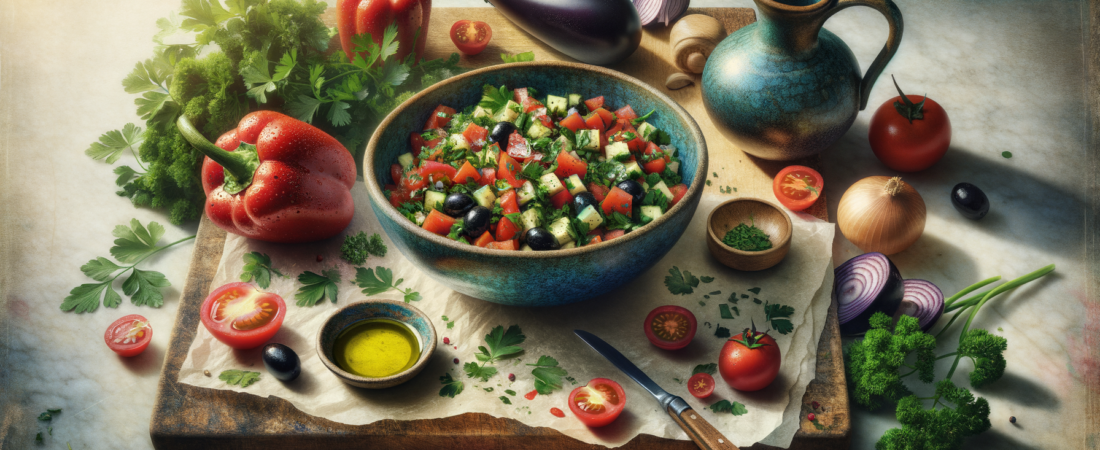
How to Start the Mediterranean Diet: A Weekly Plan
Ever wondered why countries that surround the Mediterranean Sea have lower rates of heart disease despite their high-fat diets? The secret lies in their unique dietary habits. Embracing the Mediterranean diet offers a delicious way to achieve better health, better mood, and a better lifestyle. In fact, according to a 2023 study published in the American Journal of Clinical Nutrition, the Mediterranean diet can reduce the risk of cardiovascular diseases by as much as 30%.
5 min read
In This Article
Getting started on this dietary lifestyle doesn’t have to be daunting. This week-by-week Mediterranean diet plan will guide you toward healthier eating habits while enjoying some of the most flavorful dishes the world has to offer.
What is the Mediterranean Diet?
The Mediterranean diet is not a single diet but rather a set of healthy eating habits traditionally followed by people in countries like Greece, Italy, and Spain. It emphasizes whole grains, fruits, vegetables, fish, and healthy fats such as olive oil and nuts.
- Primary protein sources include fish, poultry, beans, and eggs.
- Carbohydrate intake is mostly through whole grains such as brown rice, quinoa, and whole-grain bread.
- It includes limited amounts of red meat, sweets, and dairy products.
But more than just the food, it’s about a lifestyle that values physical activity, social interaction, and mindful eating.
Did You Know? The Mediterranean diet was inscribed by UNESCO as an Intangible Cultural Heritage of Humanity in 2013.
Why Choose the Mediterranean Diet?
Adopting the Mediterranean diet comes with numerous health benefits:
- It’s associated with lower incidence rates of heart disease, thanks to its emphasis on healthy fats and lean proteins.
- According to a 2024 study, followers of this diet have a decreased risk of type 2 diabetes due to the high intake of fiber and healthy fats.
- It’s linked to improved kidney function among older adults.
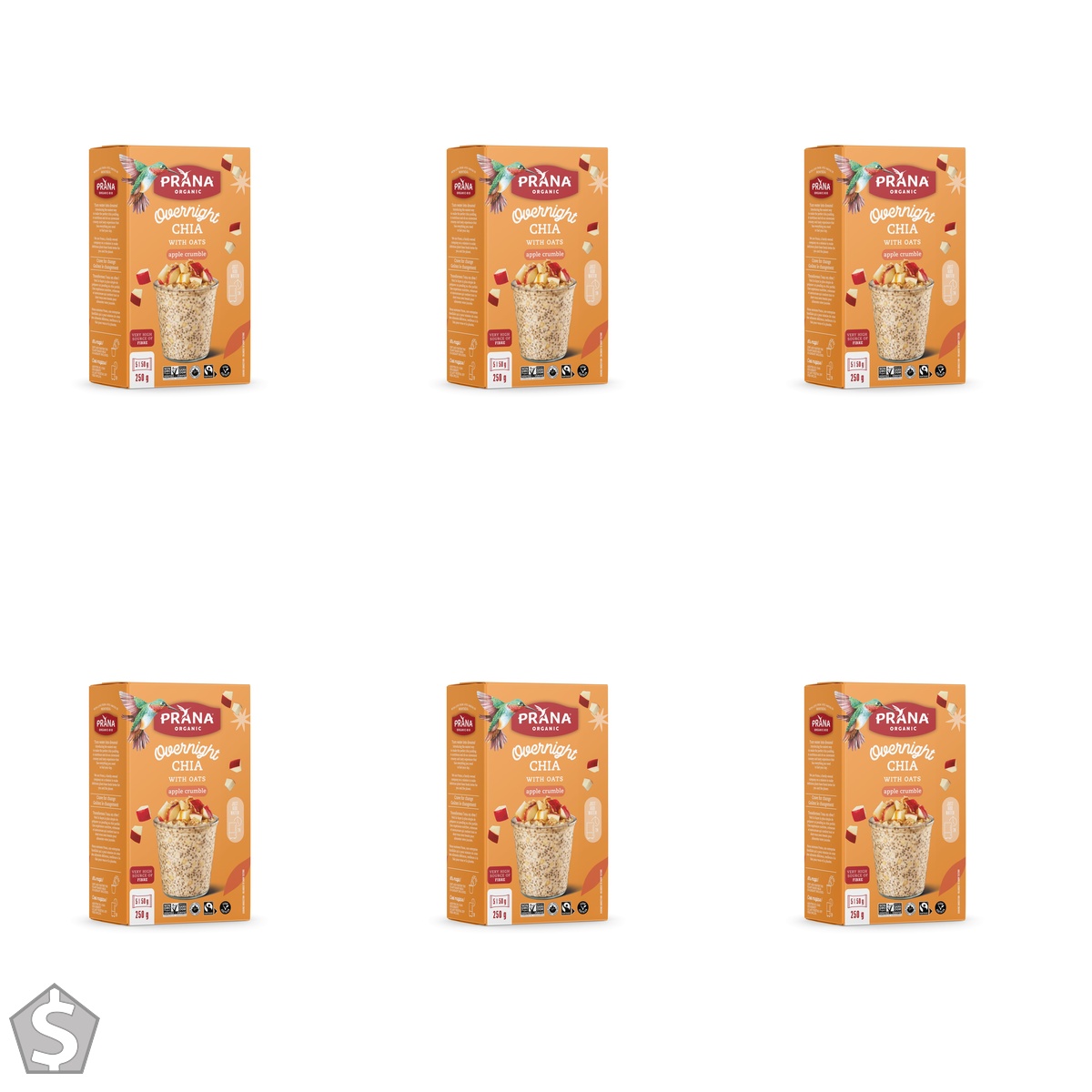
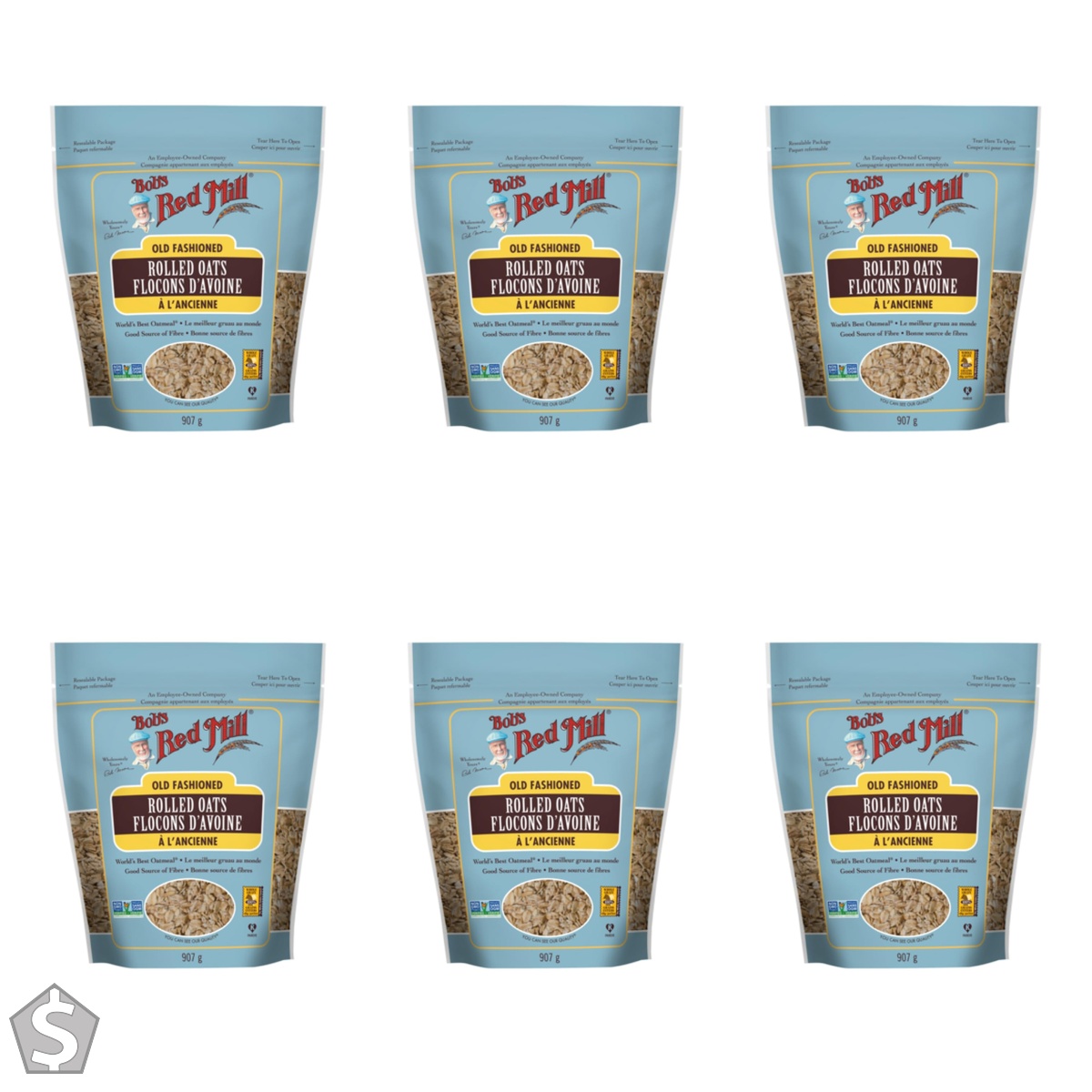
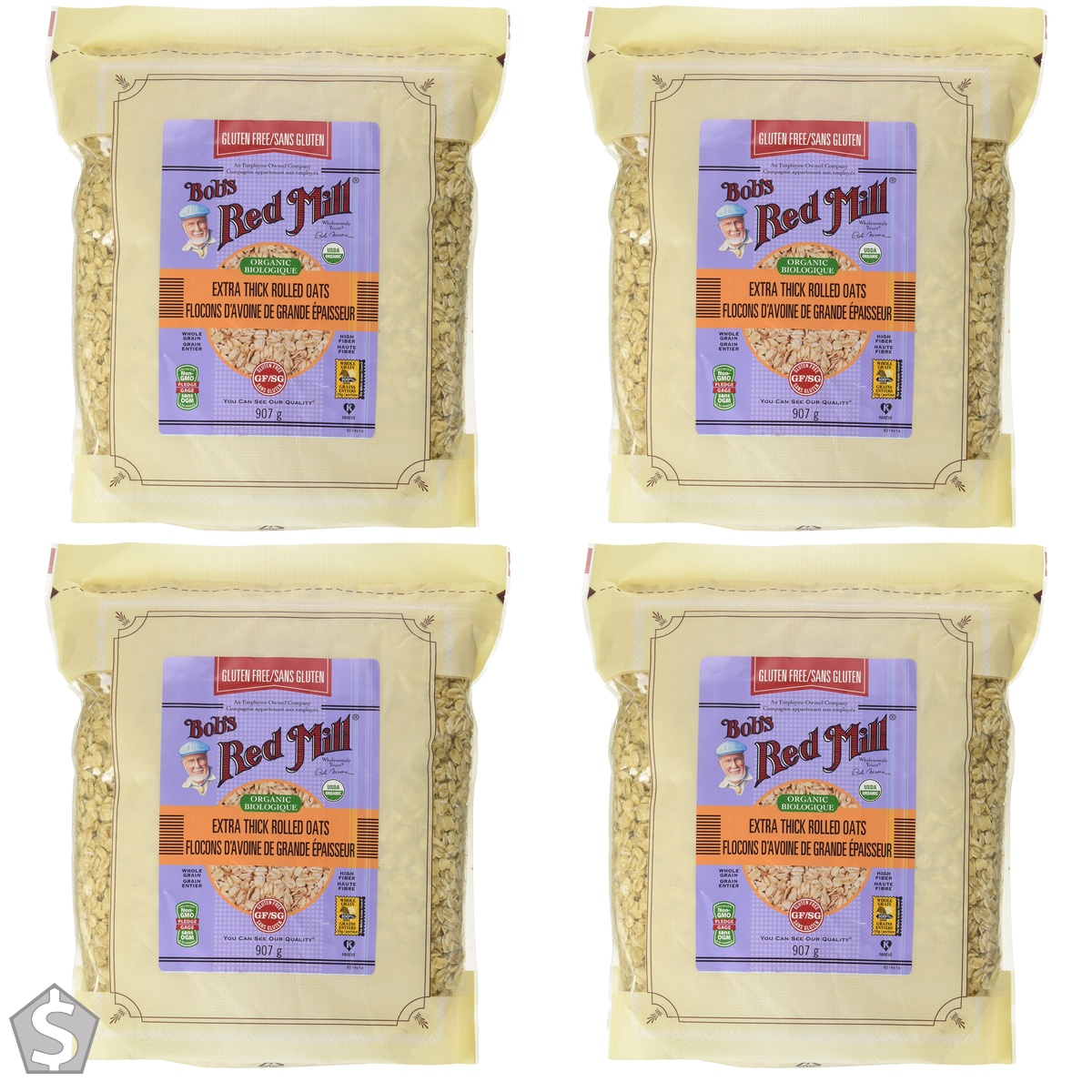
Handpicked items you might love
Week 1: Incorporating More Whole Foods
Focus on the basics: Start by increasing your intake of whole foods such as fruits, vegetables, whole grains, and legumes.
Shopping Tips
- Choose seasonal fruits and vegetables for freshness and cost-effectiveness.
- Opt for whole-grain breads and pastas over refined options.
This week, aim to replace all processed foods with their whole food counterparts. For breakfast, consider oatmeal with fresh fruit. Lunches and dinners should include salads or cooked veggies with whole grains.
Week 2: Introducing Healthy Fats
Healthy fats are a cornerstone of the Mediterranean diet. In week two, you’ll begin incorporating more olive oil, nuts, and avocados into your meals.
How Much is Too Much?
While healthy, fats should be consumed in moderation. Aim for 1-2 tablespoons of olive oil per meal.
- Swap butter for olive oil in cooking.
- Snack on nuts instead of chips — just a handful can provide a delicious, filling treat.
Week 3: Integrating Lean Proteins
This week, focus on integrating lean proteins like fish, poultry, and legumes. Aim to have fish 2-3 times a week. Salmon, mackerel, and sardines are excellent choices due to their high omega-3 content.
Filling Your Plate
Create meals that prioritize plant-based proteins. Lentils, beans, and chickpeas can be incorporated into salads and soups.
With poultry, opt for skinless cuts to keep it lean. Marinating with herbs and lemon before grilling or roasting can enhance flavor without added fats.
Week 4: Reducing Red Meat and Sugar
Shift your focus towards decreasing red meat and sugar intake. This is a key step in aligning with Mediterranean eating patterns.
- Limit red meat to once a week, if at all. Explore lamb stews or beef kabobs with lots of veggies.
- Substitute sugary desserts with fresh or dried fruits.
Experiment with herbs and spices to elevate flavors without the need for additional sugar or salt.
Bookmark-Worthy Greek yogurt with a touch of honey and a sprinkle of nuts makes for a delicious, sweet craving solution without the guilt.
Week 5 and Beyond: Living the Mediterranean Way
By week five, you should notice a shift in your eating habits and an appreciation for the variety and flavors of the Mediterranean lifestyle. Continue to rotate your menu choices, ensuring a balance of protein, healthy fats, and whole foods.
Sharing meals with family and prioritizing local, fresh foods will maintain the authenticity and effectiveness of the Mediterranean diet.
Key Takeaways
You Might Also Like
Thinking about tackling this diet plan? Share your experience with others or explore our range of Mediterranean-friendly groceries that can make your journey both delicious and healthful.
Written by Editorial Team
Our editorial team is dedicated to bringing you the latest insights, tips, and product recommendations.