
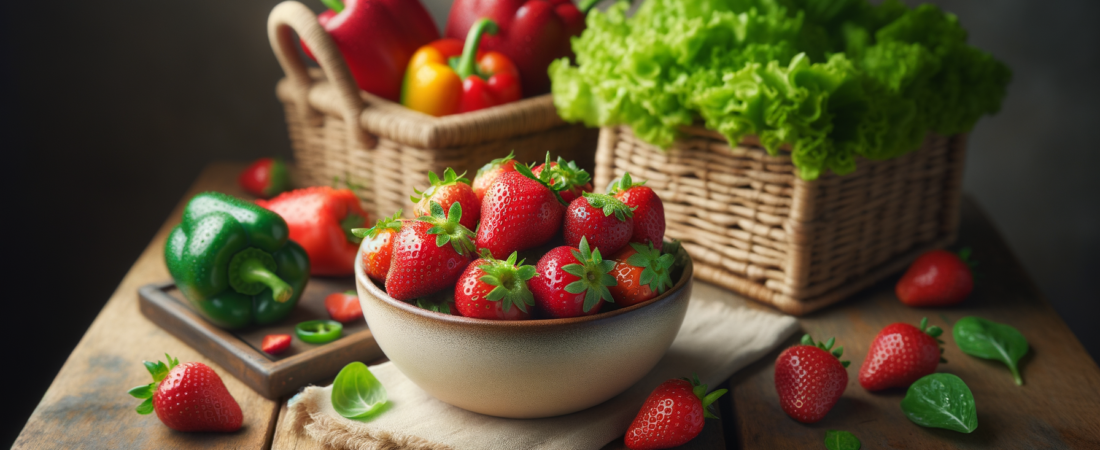
How to Store Fruits and Vegetables for Maximum Freshness
Did you know that Americans waste over 30% of their food each year? That’s not just bad for your wallet—it’s a detriment to our planet! But what if I told you there’s a way to not just reduce waste, but also make your fruits and vegetables last up to twice as long? Let’s dive into the best strategies for storing your produce to maximize freshness and flavor.
3 min read
In This Article
What are the Best Ways to Store Fruits and Vegetables?
The secret to keeping fruits and vegetables fresh lies in understanding their unique needs. By combining the right storage techniques, you can extend the lifespan of your produce significantly.
Most fruits need the right balance of moisture and air circulation to stay fresh. Leafy greens, for example, thrive when kept in a slightly moist environment. Simply wrap them in a damp paper towel and place them in your fridge. In contrast, potatoes require a cool, dark place instead of refrigeration for optimal storage.
Should You Refrigerate All Fruits?
The short answer: No.
Some fruits, like bananas, avocados, and tomatoes, will fare better when kept on the counter until they’re ripe. Refrigerating these can slow down the ripening process and affect their taste and texture. Once ripe, it’s safe to move them to the fridge to extend their freshness.
Fruits that Prefer Room Temperature
- Bananas
- Avocados
- Tomatoes
Fruits that Need to be Chilled
- Berries
- Apples
- Grapes
Handpicked items you might love
How Should Root Vegetables be Stored?
Root vegetables like carrots, radishes, and beets are low-maintenance but do best in cool, humid environments. Remove their greens and store them in the fridge in a produce bag or perforated plastic bag.
Carrot Storage Tips
- Remove greens immediately to prevent nutrient loss.
- Store in a plastic bag with holes for ventilation.
These steps keep your veggies fresh and crisp, avoiding that dreaded mushiness.
Before/Don’t
- Store tomatoes in the fridge
- Forget to remove greens from root vegetables
- Refrigerate bananas prematurely
After/Do
- Keep tomatoes on the counter
- Remove greens from carrots for better storage
- Ripen bananas at room temperature
Is Plastic Packaging a Friend or Foe?
It depends. While certain plastic wraps can enclose moisture for leafy greens, fruits like apples and pears need air circulation. A study by the University of California suggests that utilizing eco-friendly, breathable bags can enhance produce lifespan while being environmentally conscious.
Did You Know? Plastic wrap can actually trap ethylene gas inside bags, accelerating ripening and decay. Choose breathable bags for a greener, more effective solution!
What About Fresh Herbs?
Herbs can be finicky! To keep your basil and cilantro thriving, treat them like fresh flowers: trim stems and place them in a glass of water covered with a plastic bag. For heartier herbs like rosemary and thyme, wrapping them in a damp paper towel works wonders.
Expected Results: A Look Ahead
- Week 1: Notice less browning on avocados and tomatoes still firm.
- Week 2: Carrots remain crunchy, and herbs still fresh.
- Week 3: Minimal spoilage; produce consumption before expiration.
Incorporating these simple changes can save you hundreds annually on grocery bills while ensuring your produce is consumed at its freshest. Give it a try and transform your kitchen routine!
You Might Also Like
Ready to explore more effective kitchen tips? Browse our selection of eco-friendly storage options that elevate your grocery game and minimize waste. Share your newly found favorites in the comments below!
Written by Editorial Team
Our editorial team is dedicated to bringing you the latest insights, tips, and product recommendations.