
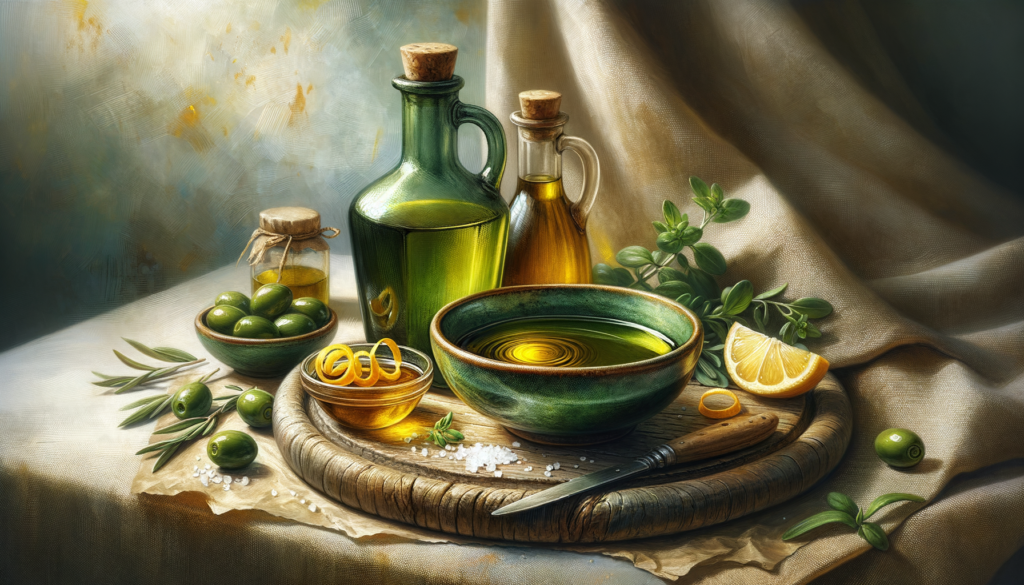
Olive oil stands as one of humanity’s most treasured ingredients, transforming everything from simple salads to elaborate Mediterranean feasts. But with shelves lined with countless bottles boasting different labels and price points, choosing the right olive oil can feel overwhelming. Whether you’re drizzling it over fresh mozzarella or using it for high-heat cooking, understanding the nuances of olive oil will elevate your culinary game and ensure you’re getting the best value for your money.
8 min read
In This Article
🫒 Quick Fact
The global olive oil market is valued at over $8 billion annually, with Spain, Italy, and Greece producing nearly 75% of the world’s supply. Each region brings distinct flavor profiles that can transform your cooking.
Understanding the Different Types of Olive Oil
Not all olive oils are created equal, and understanding the key differences will help you make informed decisions for both your palate and your wallet.
Extra Virgin Olive Oil (EVOO)
Extra virgin olive oil represents the gold standard of olive oils. Made from the first cold pressing of olives, EVOO contains no more than 0.8% acidity and undergoes no chemical processing. This minimal processing preserves the oil’s natural antioxidants, including vitamin E and polyphenols, which contribute to its distinctive flavor and health benefits.
The flavor profile of extra virgin olive oil varies dramatically based on the olive variety and region. Spanish Picual olives produce robust, peppery oils perfect for hearty dishes, while Italian Taggiasca olives yield delicate, buttery oils ideal for finishing dishes. Greek Koroneiki olives create intensely fruity oils that pair beautifully with Mediterranean cuisine.
Virgin Olive Oil
Virgin olive oil undergoes the same cold-pressing process as extra virgin but has slightly higher acidity levels (up to 2%) and may have minor flavor defects. While still unrefined, virgin olive oil typically offers less complex flavors than its extra virgin counterpart. It’s an excellent middle-ground option for everyday cooking when you want olive oil’s benefits without the premium price.
Pure or Light Olive Oil
Despite the “light” label, these oils contain the same calories as other olive oils. The terms “pure,” “light,” or simply “olive oil” indicate refined oils that have been processed to remove impurities and strong flavors. These oils have neutral tastes and higher smoke points, making them suitable for high-heat cooking methods like frying or roasting.
🔥 Smoke Point Comparison
- Extra Virgin: 375-405°F – Perfect for sautéing and medium-heat cooking
- Virgin: 420°F – Great for roasting and baking
- Light/Pure: 465°F – Ideal for frying and high-heat applications
Best Uses for Each Type of Olive Oil
Matching the right olive oil to your cooking method ensures optimal flavor and prevents waste of premium products.
Extra Virgin Olive Oil Applications
Reserve your best extra virgin olive oil for applications where its complex flavors can shine. Drizzle it over finished dishes like grilled vegetables, fresh salads, or artisanal bread. EVOO excels in cold preparations such as vinaigrettes, marinades, and dips. For cooking, use extra virgin olive oil for gentle sautéing, making pasta sauces, or preparing dishes where olive oil is a key flavor component.
Many home cooks make the mistake of using expensive extra virgin olive oil for high-heat cooking, which destroys its delicate compounds and wastes money. Instead, think of premium EVOO as a finishing oil that adds the final flavor flourish to your dishes.
Everyday Cooking with Virgin and Light Oils
Virgin olive oil works wonderfully for everyday cooking tasks like roasting vegetables, making homemade bread, or preparing simple pasta dishes. Its moderate flavor won’t overpower ingredients while still providing olive oil’s characteristic taste.
Light or pure olive oil shines in high-heat cooking situations. Use it for stir-frying, deep-frying, or any recipe where you need a neutral oil that won’t break down under intense heat. It’s also excellent for baking when you want moisture without added flavor.
💡 Pro Tip
Keep multiple olive oils in your pantry: a premium extra virgin for finishing dishes, a mid-grade virgin for everyday cooking, and a light olive oil for high-heat applications. This strategy maximizes both flavor and value.
Handpicked items you might love
How to Choose Quality Olive Oil
Selecting quality olive oil requires knowing what to look for beyond marketing claims and attractive packaging.
Reading Labels Like a Pro
Start by examining the harvest or bottling date. Unlike wine, olive oil doesn’t improve with age, and the freshest oils deliver the best flavors and nutritional benefits. Look for oils bottled within the past year, and avoid any without clear date information.
Country of origin matters significantly. While “Product of Italy” might appear on the label, check for “Made in Italy” or specific regional designations like “Tuscany” or “Sicily.” Some bottles contain blends of oils from multiple countries, which isn’t necessarily bad but indicates less control over flavor consistency.
Certifications provide additional quality assurance. Look for PDO (Protected Designation of Origin) or PGI (Protected Geographical Indication) seals, which guarantee the oil meets specific regional standards. Organic certifications ensure the olives were grown without synthetic pesticides or fertilizers.
Packaging and Storage Considerations
Quality producers package their oils in dark glass bottles or tins to protect against light damage. Avoid clear glass bottles exposed to bright store lighting, as UV rays break down the oil’s beneficial compounds and create off-flavors.
Size matters when selecting olive oil. Unless you use olive oil frequently, choose smaller bottles to ensure freshness. A 500ml bottle typically provides better value than multiple small bottles while ensuring you’ll use the oil before it loses quality.
Tasting and Evaluating Olive Oil Quality
Learning to taste olive oil like a professional helps you identify quality and discover your personal preferences.
The Professional Tasting Method
Pour about a tablespoon of oil into a small glass and cup it in your hands to warm it slightly. This warming releases the oil’s aromatic compounds. Take a deep sniff to identify the oil’s primary aromas – fresh grass, green apple, tomato leaf, or herbs indicate quality extra virgin oil.
Next, take a small sip and let the oil coat your tongue. Quality extra virgin olive oil should taste fresh and fruity, possibly with notes of pepper, artichoke, or almonds. A slight burning sensation in your throat indicates the presence of healthy polyphenols – this “pepperiness” is actually a sign of quality, not a defect.
Identifying Off-Flavors
Rancid olive oil tastes greasy, stale, or reminiscent of crayons or old nuts. Musty or moldy flavors suggest the olives were stored improperly before pressing. Metallic tastes indicate contamination during processing. Any of these off-flavors signal oil that’s past its prime or poorly made.
🚨 Red Flags to Avoid
- Extremely low prices (quality olive oil costs more to produce)
- “Light” or “Extra Light” labels on supposed extra virgin oils
- Clear glass bottles in bright store displays
- No harvest or bottling date information
- Vague origin descriptions like “Mediterranean Blend”
Proper Storage and Maximizing Shelf Life
Proper storage significantly extends olive oil’s lifespan and maintains its quality, protecting your investment in premium oils.
Optimal Storage Conditions
Store olive oil in a cool, dark place away from heat sources like stoves or sunny windows. Ideal storage temperature ranges between 57-70°F. While refrigeration won’t harm olive oil, it may cause cloudiness and solidification, which reverses at room temperature without affecting quality.
Keep bottles tightly sealed when not in use, as exposure to air accelerates oxidation. If you’ve purchased a large container, consider transferring portions to smaller bottles to minimize air exposure to the remaining oil.
Signs Your Olive Oil Has Gone Bad
Fresh extra virgin olive oil should smell fruity and pleasant. Rancid oil develops unpleasant odors ranging from stale nuts to crayons. Taste-wise, bad olive oil loses its fruity notes and develops greasy, flat, or bitter flavors. When in doubt, trust your senses – good olive oil should smell and taste appealing.
Most olive oils maintain quality for 18-24 months from bottling when stored properly. However, once opened, use within 3-6 months for optimal flavor, especially for extra virgin varieties.
🌿 Health Benefits Bonus
High-quality extra virgin olive oil contains powerful antioxidants and anti-inflammatory compounds. Studies suggest regular consumption may support heart health, brain function, and even longevity. The Mediterranean diet’s health benefits are partly attributed to liberal use of quality olive oil.
Budget-Friendly Tips for Olive Oil Shopping
You don’t need to break the bank to enjoy quality olive oil. Smart shopping strategies help you find excellent oils at reasonable prices.
Consider purchasing directly from producers during harvest season (fall) when prices are typically lowest and quality highest. Many online retailers offer harvest-fresh oils at better prices than grocery stores.
Join wholesale clubs for bulk purchasing if you use olive oil frequently. Split large containers with friends or family to share costs while ensuring freshness. Look for store brands from reputable retailers – many private-label olive oils offer excellent quality at lower prices than name brands.
Don’t overlook oils from lesser-known producing regions. While Italian and Spanish oils command premium prices, excellent oils from Greece, Portugal, California, and Australia often provide better value without sacrificing quality.
You Might Also Like
Finally, remember that a little premium olive oil goes a long way. A small drizzle of high-quality extra virgin olive oil provides more flavor impact than larger amounts of mediocre oil, making the per-serving cost surprisingly reasonable.
Written by Editorial Team
Our editorial team is dedicated to bringing you the latest insights, tips, and product recommendations.
Advertisement