
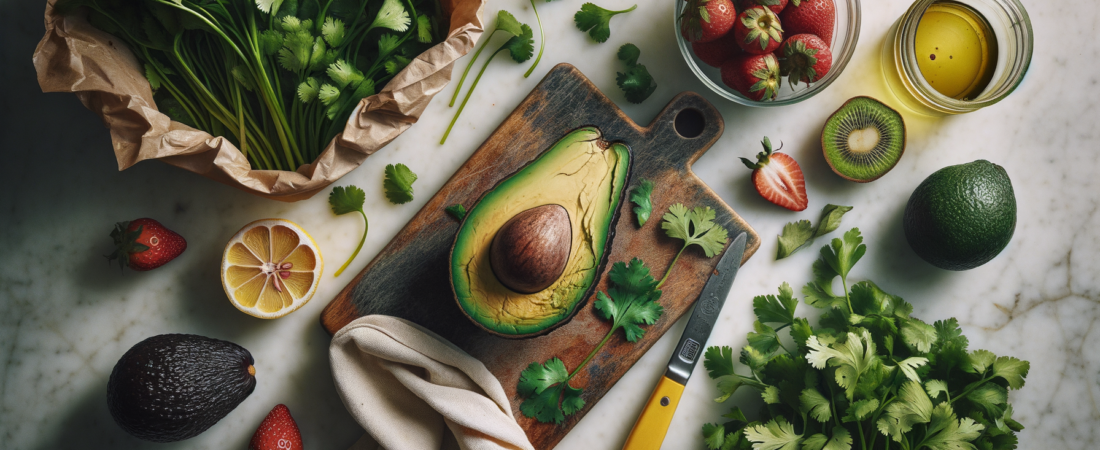
Every day, millions of pounds of perfectly good food end up in the trash because of confusion about food safety. Are those brown spots on your banana a sign of danger, or is it still perfectly fine to eat? That slight smell from your milk – is it spoilage or just normal? Understanding the difference between food that’s truly gone bad and food that’s simply past its prime can save you money, reduce waste, and keep your family safe.
7 min read
In This Article
💡 Quick Tip
The USDA estimates that Americans throw away about 20 pounds of food per month per person. Much of this waste comes from misunderstanding expiration dates and natural food changes that don’t indicate spoilage.
Understanding Expiration Dates: What They Really Mean
One of the biggest sources of food waste confusion comes from misinterpreting date labels on packaging. These dates are often misunderstood as hard safety deadlines, when in reality, they serve different purposes entirely.
“Best By” dates indicate when a product will be at peak quality – not when it becomes unsafe. Most foods remain safe to consume well beyond their “best by” date, though they may experience changes in taste, texture, or nutritional value. For example, that box of crackers dated last month is likely still safe to eat, even if they’ve lost some crispness.
“Use By” dates are the manufacturer’s recommendation for when to use the product for the best quality. Like “best by” dates, these don’t necessarily indicate safety concerns. Canned goods, for instance, can remain safe for years past their “use by” date when stored properly.
“Sell By” dates are primarily for retailers to know when to rotate stock. These dates help ensure customers receive products at peak quality, but they’re not safety indicators. Many products are still perfectly safe to consume after the sell-by date.
🗓️ Date Label Decoder
| Label Type | Meaning | Safety Concern? |
|---|---|---|
| Best By | Peak quality date | No |
| Use By | Recommended consumption date | Rarely |
| Sell By | Inventory rotation for retailers | No |
Visual Signs: When Appearance Matters (And When It Doesn’t)
Visual changes in food can be alarming, but not all discoloration or texture changes indicate spoilage. Learning to distinguish between harmless natural processes and genuine signs of decay is crucial for food safety and waste reduction.
Natural browning is often mistaken for spoilage. Bananas develop brown spots as their starches convert to sugars – this actually makes them sweeter and perfect for baking. Similarly, avocados may have brown streaks that are simply natural fiber bundles, not signs of rot. The key is looking for soft, mushy areas accompanied by off-odors.
Surface bloom on chocolate appears as white or grayish patches but is completely harmless. This “fat bloom” occurs when chocolate is exposed to temperature changes, causing cocoa butter to rise to the surface. The chocolate is still safe to eat, though the texture may be slightly different.
Natural separation in dairy products like yogurt or sour cream is normal and safe. The liquid that appears on top is simply whey separating from the solids. Just stir it back in, and it’s ready to use.
However, some visual signs genuinely indicate spoilage: fuzzy mold growth (except on aged cheeses where it’s intentional), slimy textures on vegetables, or unusual colors that seem completely unnatural to the food type.
Handpicked items you might love
The Sniff Test: Decoding Food Odors
Your nose is one of your most reliable tools for detecting food spoilage, but interpreting odors correctly requires understanding what’s normal versus concerning for different food types.
Fermented foods naturally have strong, sometimes off-putting odors that don’t indicate spoilage. Sauerkraut, kimchi, and aged cheeses have potent smells that are completely normal and safe. The key is consistency – if a fermented food smells significantly different from how it usually smells, that might indicate a problem.
Dairy products present particular challenges for odor assessment. Fresh milk should smell clean and slightly sweet. A sour smell doesn’t always mean the milk is unsafe – it might just be developing natural acidity. However, if milk smells putrid, rancid, or has a chemical odor, it should be discarded.
⚠️ Trust Your Instincts
If something smells “off” in a way that makes you hesitate, it’s better to err on the side of caution. Your evolutionary instincts are designed to protect you from potentially harmful foods.
Meat and poultry should have minimal odor when fresh. A slight metallic smell is normal for red meat, while poultry should smell virtually neutral. Strong, putrid, or ammonia-like odors are definitive signs of spoilage and potential danger.
Fish presents a unique challenge because “fishy” doesn’t necessarily mean bad. Fresh fish should smell like the ocean – clean and briny. As fish ages, it develops a stronger “fishy” smell, but this isn’t necessarily dangerous until it becomes putrid or ammonia-like.
Texture Changes: Safe vs Dangerous
Texture changes in food can be particularly concerning because they’re often associated with spoilage, but many texture changes are completely normal and don’t affect food safety.
Crystallization in honey is a natural process that doesn’t indicate spoilage. Honey can remain safe indefinitely, and crystallized honey can be restored to liquid form by gentle heating. Similarly, ice crystals in frozen foods usually indicate temperature fluctuations during storage but don’t necessarily make the food unsafe.
Softening in fruits is part of the natural ripening process. Slightly soft apples, pears, or stone fruits are often at their peak flavor. The concern arises when softness is accompanied by dark spots, off-odors, or a mushy texture that feels unnatural.
Changes in bread texture can be confusing. Slight staleness doesn’t indicate safety issues – just quality degradation. However, any visible mold growth means the entire loaf should be discarded, as mold roots can penetrate throughout the bread even where they’re not visible.
🥬 Texture Quick Check Guide
- ✅ Safe: Slightly soft fruits, crystallized honey, separated yogurt
- ✅ Safe: Stale bread (no mold), wilted lettuce (not slimy)
- ❌ Discard: Slimy vegetables, mushy meat, moldy bread
- ❌ Discard: Fizzy non-carbonated foods, sticky surfaces on meat
Category-Specific Guidelines
Produce requires individual assessment based on the specific fruit or vegetable. Root vegetables like potatoes and onions can develop eyes or sprouts that can be removed, with the remainder being perfectly safe. Leafy greens may wilt but remain safe as long as they haven’t become slimy or developed dark, mushy spots.
Canned goods are among the safest foods in terms of longevity. As long as cans aren’t dented, bulging, or rusted through, their contents are typically safe well beyond printed dates. However, any can that’s bulging should be discarded immediately, as this indicates bacterial activity and potential botulism risk.
Dairy products vary significantly in their safety windows. Hard cheeses can develop surface mold that can be cut away (with a good margin), while soft cheeses should be discarded at the first sign of unintended mold. Eggs remain safe well beyond their carton date and can be tested for freshness using the float test – fresh eggs sink in water, while old eggs float.
Grains and pantry staples like rice, pasta, and flour have excellent shelf lives when stored properly. The main concerns are pest infestation (visible insects or larvae) or moisture damage leading to mold. Slight clumping in flour or sugar due to humidity isn’t a safety concern.
Making Smart Decisions to Reduce Food Waste
Reducing food waste while maintaining safety requires a balanced approach that considers multiple factors beyond simple date labels. Proper storage can extend food life significantly – keeping potatoes in dark, cool places, storing onions separately from potatoes, and maintaining proper refrigerator temperatures all contribute to food longevity.
Understanding your own risk tolerance is important. Pregnant women, elderly individuals, and those with compromised immune systems may want to be more conservative with food safety decisions. For healthy adults, many foods that show minor signs of aging are still perfectly safe to consume.
Creative repurposing can salvage food that’s past its prime for direct consumption. Overripe fruits are perfect for smoothies or baking, while vegetables that are losing their crispness can be used in soups or stews where texture changes are expected.
🌱 The Bottom Line
Trust your senses over arbitrary dates. When in doubt, remember: look, smell, feel, and trust your instincts. Most food waste comes from unnecessary caution rather than actual safety concerns. With practice, you’ll become more confident in making these assessments and significantly reduce your household food waste.
You Might Also Like
Building confidence in food safety assessment takes time and experience. Start by paying closer attention to how your food changes over time, noting the difference between natural aging and genuine spoilage. Keep a food waste journal for a week to identify patterns in what you’re throwing away – you might be surprised by how much perfectly good food you’re discarding due to misconceptions about safety.
Written by Editorial Team
Our editorial team is dedicated to bringing you the latest insights, tips, and product recommendations.