
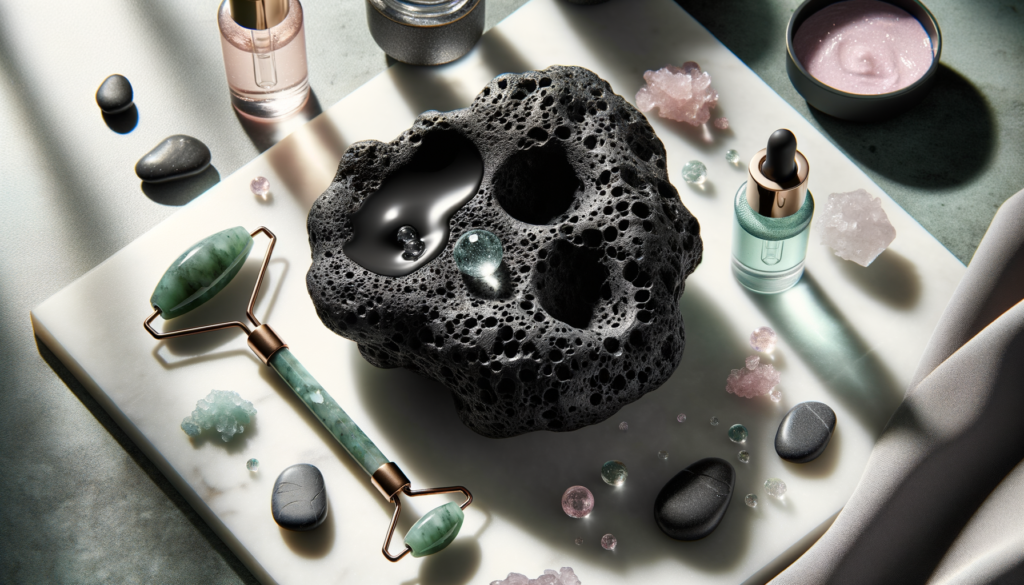
Nearly 70% of people say large pores are their biggest skin concern—even ranking higher than wrinkles or dark spots. Yet most people are using the wrong approach to address them. The truth? You can’t actually shrink pore size permanently (they’re genetically determined), but you can dramatically minimize their appearance with the right techniques.
8 min read
In This Article
- What Actually Causes Large-Looking Pores?
- The Science Behind Pore Minimization
- Top 8 Methods That Actually Minimize Pore Appearance
- What Doesn’t Work: Common Pore Myths Debunked
- Building Your Pore-Minimizing Routine
- Professional vs At-Home Treatments: Which Is Right for You?
- Timeline: When to Expect Results
- Lifestyle Factors That Affect Pore Appearance
How to minimize large pores comes down to understanding what makes them look larger in the first place: oil buildup, dead skin cells, and loss of skin elasticity around the pore opening. The good news is that dermatologists have identified specific methods that can make pores appear up to 50% smaller within weeks.
In this comprehensive guide, we’ll break down exactly which pore-minimizing methods actually work, which ones are marketing myths, and how to create a routine that delivers visible results without irritating your skin.
What Actually Causes Large-Looking Pores?
Before diving into solutions, it’s crucial to understand why pores appear enlarged. Dr. Joshua Zeichner, a board-certified dermatologist at Mount Sinai Hospital, explains that pore size is largely genetic—you’re born with a predetermined number and size of pores. However, several factors make them appear larger than they actually are.
The primary culprits include excess sebum production, which stretches the pore opening as oil accumulates. Dead skin cells and debris also clog pores, creating a “cork” effect that makes the opening appear wider. Additionally, as we age, collagen production decreases, causing the skin around pores to lose structure and support.
Sun damage accelerates this process by breaking down collagen and elastin fibers. A 2023 study published in the Journal of Cosmetic Dermatology found that UV exposure can increase visible pore size by up to 25% over time. Environmental pollution also contributes by depositing particles that mix with natural oils, creating stubborn blockages.
The Science Behind Pore Minimization
Understanding how pore-minimizing treatments work helps you choose the most effective options. The goal isn’t to physically shrink pores (which is impossible without invasive procedures) but to address the factors that make them appear enlarged.
Effective treatments work through three main mechanisms: exfoliation to remove pore-clogging debris, sebum regulation to reduce oil production, and collagen stimulation to improve skin structure around pores. Chemical exfoliants like salicylic acid penetrate deep into pores to dissolve buildup, while retinoids increase cell turnover and stimulate collagen production.
Why Physical Scrubs Make Pores Look Worse
Many people instinctively reach for physical scrubs to “clean out” pores, but this approach often backfires. Harsh scrubbing can irritate the skin, triggering increased oil production as a protective response. The irritation also causes temporary swelling, which actually makes pores appear larger immediately after use.
Dermatologist Dr. Hadley King notes that physical exfoliation only addresses surface buildup, not the deeper sebaceous material that’s really causing pore enlargement. This is why chemical exfoliants are far more effective for pore concerns.
Handpicked items you might love
Top 8 Methods That Actually Minimize Pore Appearance
1. Beta Hydroxy Acid (BHA) Treatments
Salicylic acid is the gold standard for pore minimization because it’s oil-soluble, allowing it to penetrate deep into pores to dissolve sebum and dead skin cells. Clinical studies show that 2% salicylic acid can reduce visible pore size by 23% after 8 weeks of consistent use.
Start with a 0.5-1% concentration and gradually work up to 2%. Apply to clean skin 2-3 times per week, always followed by moisturizer and SPF during the day.
2. Retinoids for Long-term Results
Retinoids (retinol, tretinoin, adapalene) are the most scientifically proven ingredients for improving pore appearance long-term. They work by increasing cell turnover, preventing dead skin buildup, and stimulating collagen production to improve skin structure.
A 2024 study found that consistent retinoid use for 12 weeks reduced apparent pore size by 35% and improved overall skin texture. Begin with retinol 2-3 times per week and gradually increase frequency as your skin adapts.
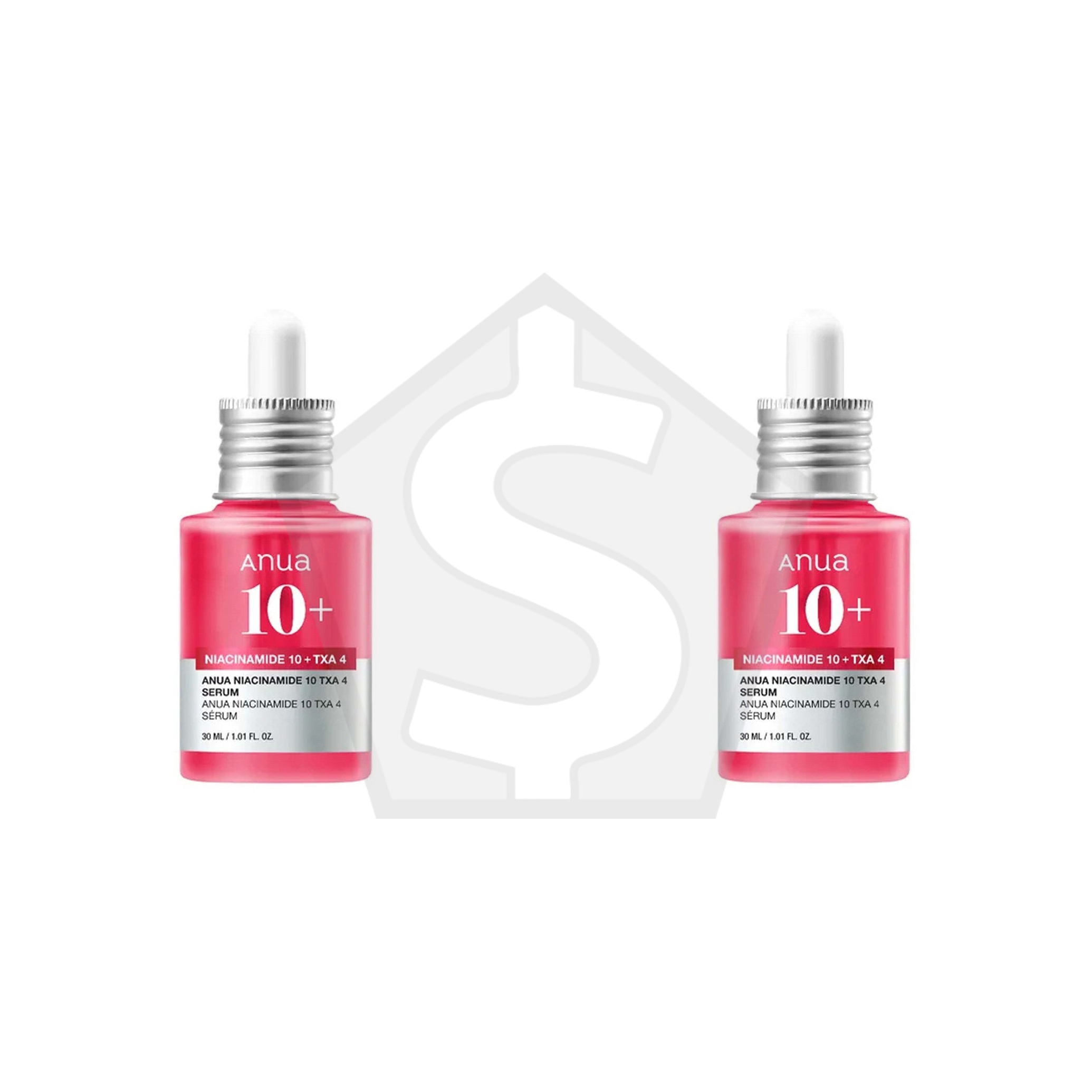
3. Niacinamide for Oil Control
Niacinamide (vitamin B3) is particularly effective for oily skin types because it regulates sebum production at the source. Research shows that 4-5% niacinamide can reduce sebum production by up to 35% within 4 weeks, leading to less pore-stretching and a smoother appearance.
Unlike stronger actives, niacinamide is gentle enough for daily use and plays well with other ingredients. Look for serums containing 4-10% niacinamide.
4. Professional Chemical Peels
In-office chemical peels using glycolic acid, lactic acid, or TCA can provide more dramatic pore-minimizing results than at-home treatments. Professional-strength peels remove deeper layers of dead skin and stimulate significant collagen renewal.
Expect to see results after 3-4 treatments spaced 4-6 weeks apart. Mild peeling and redness are normal for 3-7 days post-treatment.
Did You Know? Your pores are actually funnel-shaped, not cylindrical. This is why they appear larger at the surface and why surface-only treatments are less effective than ingredients that can penetrate deeper.
5. Microneedling for Collagen Stimulation
Professional microneedling creates controlled micro-injuries that trigger collagen production, improving skin structure around pores. Studies show that a series of 3-4 microneedling sessions can reduce pore appearance by 25-40%.
At-home derma rollers (0.25-0.5mm) can provide milder benefits when used 1-2 times per week, but professional treatments (1.0-1.5mm) deliver more dramatic results.
6. Laser Treatments for Stubborn Cases
For severe pore concerns, laser treatments like fractional CO2 or RF microneedling can provide the most dramatic results. These treatments resurface the skin and stimulate deep collagen remodeling.
While more expensive ($500-2000 per session), laser treatments can reduce apparent pore size by 50-70% with proper aftercare and sun protection.
7. Clay Masks for Deep Cleansing
Clay masks containing bentonite or kaolin clay can temporarily minimize pore appearance by drawing out oil and debris. While the effect is temporary (lasting 1-2 days), regular use prevents buildup that makes pores look larger.
Use clay masks 1-2 times per week, followed immediately by a hydrating serum to prevent over-drying.
8. Proper Cleansing Technique
Double cleansing is essential for pore health, especially if you wear makeup or sunscreen. Start with an oil-based cleanser to dissolve sebum and makeup, followed by a gentle water-based cleanser to remove remaining residue.
Avoid over-cleansing (more than twice daily) as this can trigger increased oil production and make pores appear larger.
What Doesn’t Work: Common Pore Myths Debunked
Despite what social media might suggest, several popular “pore solutions” are ineffective or even counterproductive. Pore strips, while satisfying, only remove surface debris and can actually damage the skin around pores with repeated use.
Ice cubes or cold water don’t actually shrink pores—they temporarily constrict blood vessels, creating an illusion that fades within minutes. Similarly, steaming doesn’t “open” pores (they don’t have muscles), though it can soften buildup temporarily.
Harsh scrubs and over-exfoliation often make pore concerns worse by triggering increased oil production and inflammation. The key is gentle, consistent treatment rather than aggressive intervention.
Building Your Pore-Minimizing Routine
Creating an effective routine requires layering compatible ingredients in the right order. Start with the gentlest approach and gradually introduce stronger treatments as your skin adapts.
Morning Routine
- Gentle cleanser
- Niacinamide serum
- Lightweight moisturizer
- Broad-spectrum SPF 30+
Evening Routine
- Double cleanse (oil + water-based)
- BHA treatment (2-3x per week)
- Retinol (on non-BHA nights)
- Hydrating moisturizer
Introduce new actives one at a time, waiting 2-3 weeks between additions to monitor your skin’s response. Always use SPF when using exfoliating ingredients, as they increase sun sensitivity.
Professional vs At-Home Treatments: Which Is Right for You?
The choice between professional and at-home treatments depends on your budget, time availability, and severity of concerns. At-home treatments are more affordable and convenient but require consistent use over 8-12 weeks to see significant results.
Professional treatments provide faster, more dramatic results but require downtime and higher upfront costs. They’re ideal for special events or severe pore concerns that haven’t responded to at-home care.
✓ Pros of At-Home Treatments
- More affordable long-term
- No downtime required
- Can be done on your schedule
- Build habits for long-term skin health
- Less risk of complications
✗ Cons of At-Home Treatments
- Results take 8-12 weeks
- Less dramatic improvement
- Requires consistent daily use
- Risk of over-treatment without guidance
- May plateau without professional intervention
Bottom Line
For mild to moderate pore concerns, start with at-home treatments using BHA, niacinamide, and retinoids. If you don’t see improvement after 12 weeks or have severe concerns, consider professional treatments like chemical peels or microneedling for faster results.
Timeline: When to Expect Results
Managing expectations is crucial for pore-minimizing treatments. Unlike instant filters, real results take time as your skin undergoes cellular renewal and collagen remodeling.
Weeks 1-2: You may notice improved skin texture and reduced oiliness, especially with niacinamide and BHA treatments.
Weeks 4-6: Pores may appear slightly less noticeable as regular exfoliation prevents buildup.
Weeks 8-12: This is when you’ll see the most significant improvement in pore appearance as retinoids stimulate collagen production.
3-6 months: Maximum results are typically achieved with continued consistent use.
Professional treatments follow a different timeline, with initial results visible within days but optimal results appearing 4-6 weeks post-treatment as collagen remodeling occurs.
Lifestyle Factors That Affect Pore Appearance
Your daily habits significantly impact how prominent your pores appear. Diet plays a role—studies show that high-glycemic foods can increase sebum production by up to 30%, making pores appear larger. Focus on anti-inflammatory foods rich in omega-3s and antioxidants.
Sleep quality affects skin repair processes, including collagen synthesis around pores. Aim for 7-9 hours of quality sleep and consider silk pillowcases to reduce friction that can clog pores.
Stress management is crucial because cortisol increases oil production. Regular exercise, meditation, or other stress-reduction techniques can help maintain balanced sebum levels.
Save This! The 80/20 rule for pore care: 80% of results come from consistent daily skincare (cleansing, BHA, moisturizer, SPF), while 20% comes from advanced treatments. Master the basics before investing in expensive procedures.
You Might Also Like
Ready to start your pore-minimizing journey? Remember that consistency beats intensity—gentle, daily care will deliver better long-term results than harsh, sporadic treatments. Start with one or two proven ingredients like salicylic acid and niacinamide, then gradually build your routine as your skin adapts. Have you tried any of these methods? Share your experience in the comments below!
Written by Editorial Team
Our editorial team is dedicated to bringing you the latest insights, tips, and product recommendations.
Advertisement