
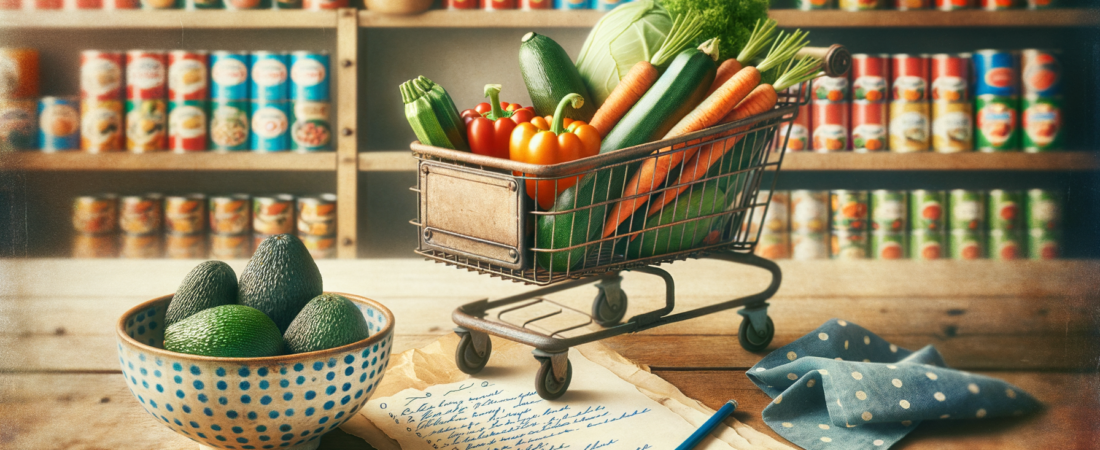
Did you know? The average American family spends around $800 a month on groceries, but with a few clever hacks, you can significantly cut this cost without sacrificing quality meals.
4 min read
In This Article
Grocery shopping on a budget doesn’t mean compromising on quality or nutrition for your family. The key is to implement smart shopping strategies that focus on planning, prioritizing, and making informed choices to stretch your dollars further.
How Can You Budget for Grocery Shopping?
Creating a realistic grocery budget is essential to avoid unnecessary expenses and prevent impulse buying. Start by assessing your current grocery spending and identifying areas where you can cut costs.
- Set a weekly or monthly budget: Use past receipts to set a baseline.
- Track spending: Keep a record of every grocery purchase to identify trends and extravagant buys.
- Prioritize essentials: Decide must-have items versus treats, focusing spending on nutrition.
You should also consider planning your meals around sales and seasonal produce, which are typically less expensive and offer peak freshness.
What are Some Strategies to Save at the Grocery Store?
Being strategic about where and how you shop can lead to significant savings:
Is Buying in Bulk Worth It?
Bulk buying can be a budget-friendly option, especially for non-perishable or frequently used items. Consider membership-based stores or online bulk stores to score deals.
Expert Tip:
Expert Tip
Buying in bulk can save you approximately 20-30% on staple items like rice, beans, and pasta—ideal for feeding a family.
Should You Use Coupons and Loyalty Programs?
Clip digital coupons and join store loyalty programs to benefit from exclusive discounts and promotions.
Many apps are available that aggregate coupons for your favorite stores, helping you maximize savings without extra effort.
Handpicked items you might love

How to Plan Meals to Maximize Grocery Savings?
Meal planning is one of the most effective ways to control grocery expenses:
- Plan meals around deals: Check store flyers and online ads to plan your menu based on discounted items.
- Create a list and stick to it: A list can help you avoid impulse buys, saving money in the long run.
- Utilize leftovers creatively: Turn last night’s dinner into today’s lunch to reduce waste and expenses.
Expert Tip:
Expert Tip
Batch cooking one day a week saves both time and money and ensures you always have a healthy meal ready.
What Foods Should You Always Buy for Budget Meals?
A few staples should always be on your list for cheap and nutritious meals. Think of these as the building blocks for diverse and cost-effective menus:
- Beans & Lentils: Affordable proteins that are versatile in soups, stews, and salads.
- Frozen Vegetables: Less waste and cost than fresh, with no nutrient loss.
- Whole Grains: Long-lasting and filling as a base for dishes.
How to Avoid Common Budgeting Pitfalls?
Even careful planning can be undone by common pitfalls of grocery shopping:
Avoid shopping when hungry; it leads to impulse buys.
Don’t be brand loyal; generic options often offer the same quality for less.
Use a calculator while shopping to keep track of spending and adjust your purchases as necessary.
Save This!
Keeping a calculator handy to tally your subtotal can keep your budget on track in real time.
How Can You Make Grocery Shopping More Efficient?
Efficiency in shopping saves time, reduces stress, and helps keep budgets in check:
How to Organize Your Shopping?
Organize your grocery list by store aisles to minimize time and retracing your steps. Utilize online e-commerce platforms for detailed product comparisons and discounted orders.
Expert Tip:
Expert Tip
Did you know scheduling grocery shopping during non-peak hours can save time and help avoid impulse buys?
Key Takeaways:
1 Set a strict realistic grocery budget.
2 Buy in bulk to save more in the long run.
3 Use coupons and participate in loyalty arrangements.
4 Plan meals to minimize waste and cost.
5 Avoid common traps like shopping hungry or brand loyalty.
You Might Also Like
Implementing these strategies can transform the way you shop, helping to maintain a healthy diet while keeping within your budget. Got your strategies in place? Don’t forget to explore our range of eco-friendly grocery storage solutions to keep your purchases fresher for longer.
Written by Editorial Team
Our editorial team is dedicated to bringing you the latest insights, tips, and product recommendations.