
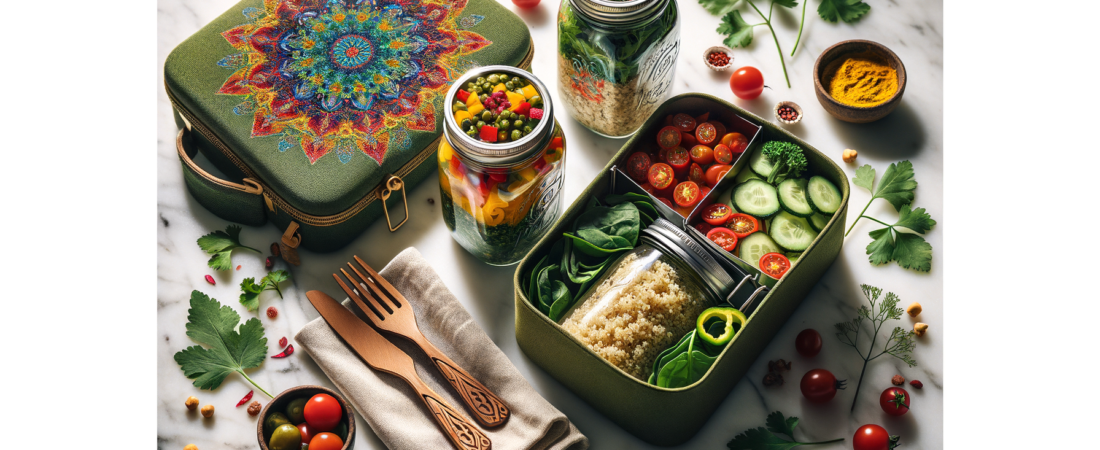
Best Vegetarian Meal Prep: A Week of Plant-Based Lunches
Did you know that meal prepping can save you up to 40% on your grocery bill each year? Whether you’re a busy professional or a student on the go, vegetarian meal prep isn’t just convenient—it’s a game-changer for both your health and wallet. Let’s dive into how you can prepare a whole week’s worth of plant-based lunches that are both delicious and nutritious.
4 min read
In This Article
Why Choose Vegetarian Meal Prep?
Vegetarian meal prep offers an array of benefits, from reducing environmental impact to improving your overall well-being. Starting your meal prep journey with plant-based lunches can be fun and fulfilling.
First, it’s healthier. According to a 2023 study by the Journal of Nutritional Science, plant-based diets are linked to reduced risks of chronic illnesses like heart disease and diabetes.
Additionally, eating vegetarian can support weight management. A comprehensive review from the American Journal of Clinical Nutrition in 2024 highlighted that plant-based eaters generally have a lower body mass index (BMI).
Is Vegetarian Meal Prep Expensive?
You might wonder, is vegetarian meal prep expensive? On the contrary, it can actually save you money. By focusing on staple items like beans, grains, and fresh produce, your grocery bills could drop significantly.
- Buy in bulk: Grains, legumes, and nuts are cheaper when purchased in larger quantities.
- Seasonal shopping: Purchase vegetables and fruits that are in season for lower costs and peak flavors.
How to Plan Your Vegetarian Meals for the Week
Planning is essential for successful meal prep. It ensures you have all ingredients on hand and can avoid the mid-week slump.
1. Set a Clear Plan
Define your meals: Think about what you enjoy eating and research new recipes. Allocate specific foods to each day to ensure you have a balanced variety.
2. Prep and Cook Strategically
Block a few hours during the weekend to chop, cook, and package your meals. Consider shared components, like grains or sauces, across different meals to save time.
3. Prioritize Nutritional Balance
Your meals should be diverse, containing a mix of protein, carbs, and fats. Incorporate plenty of vegetables and leafy greens.
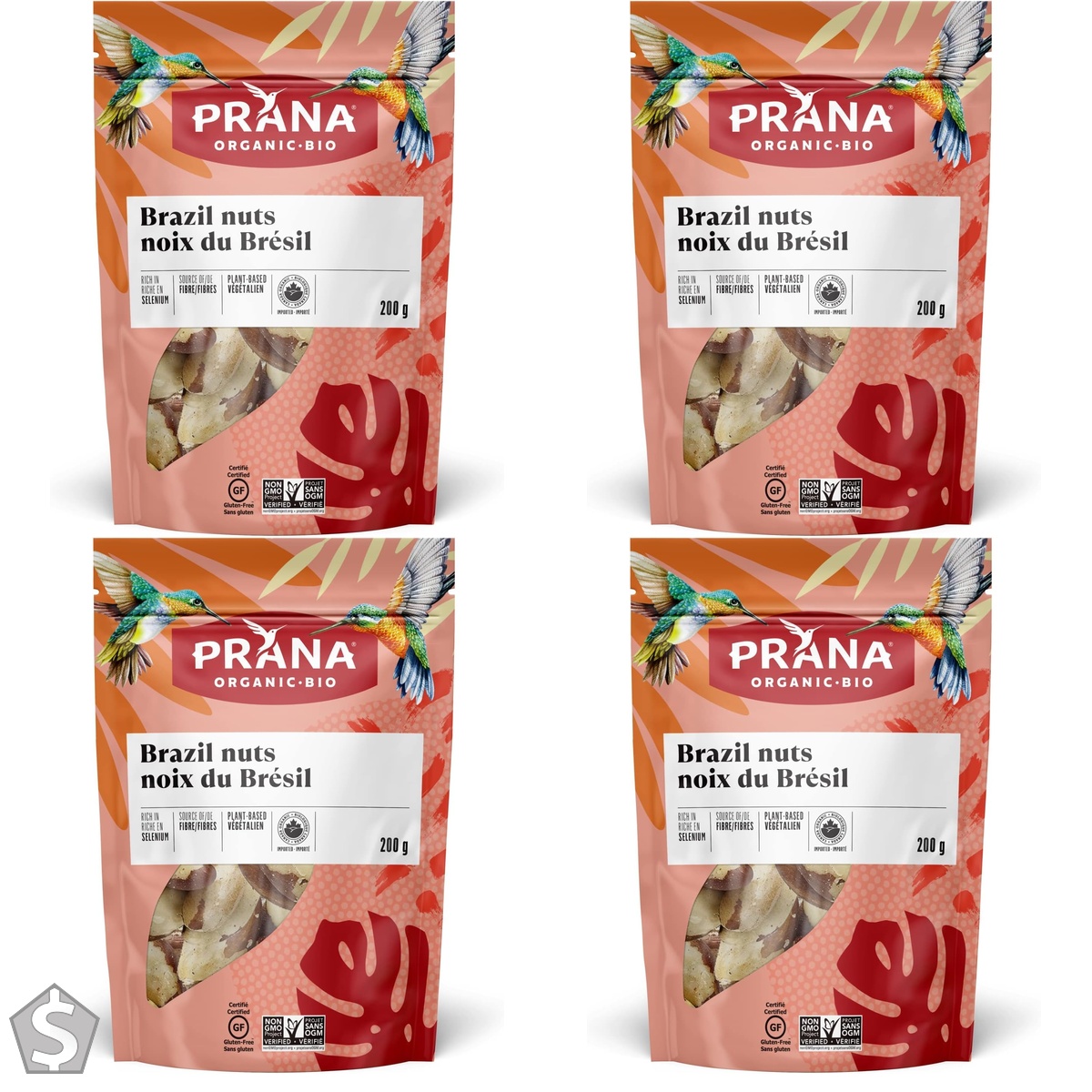
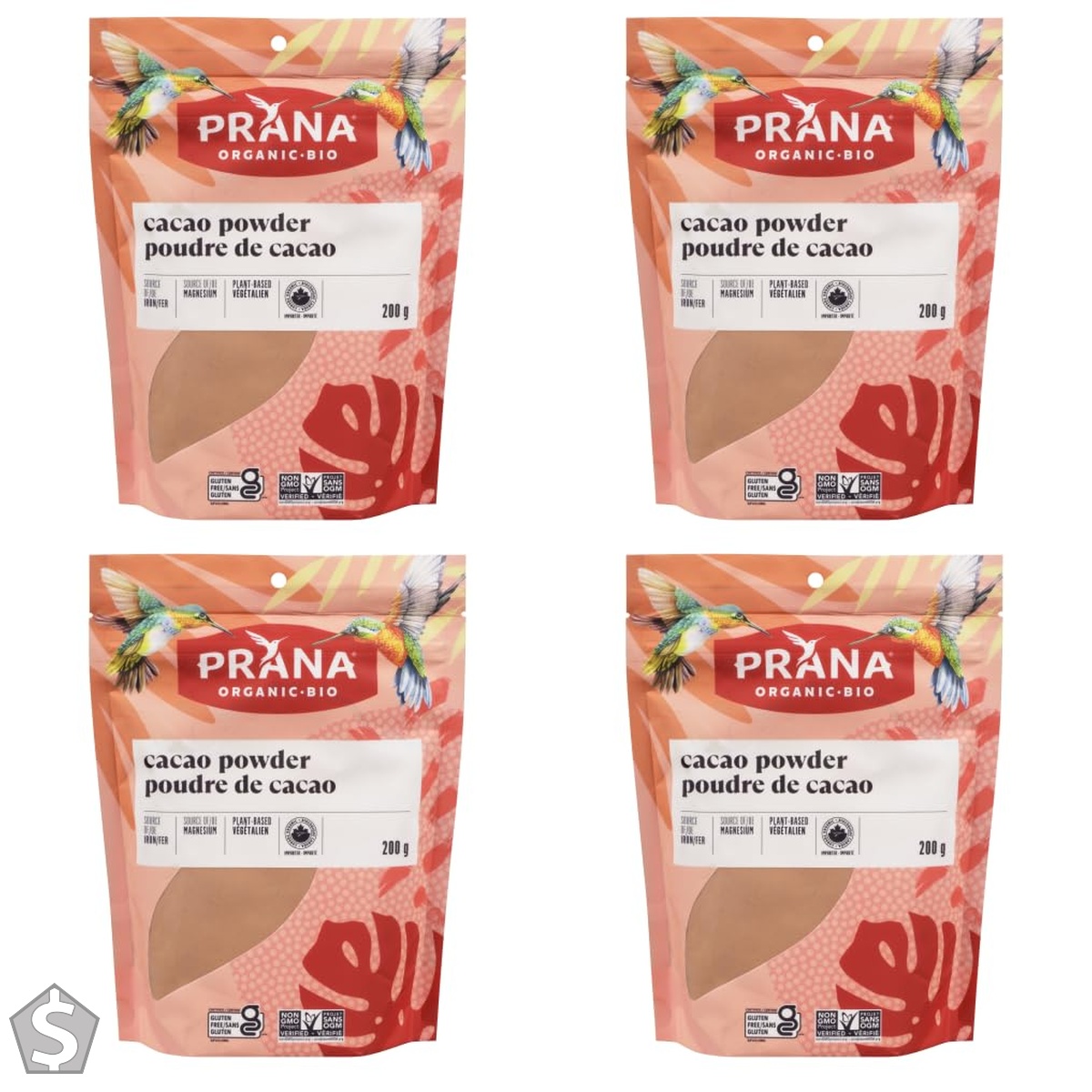
Handpicked items you might love
Delicious Vegetarian Lunch Ideas
To keep things interesting, variety is key. Here are some delicious vegetarian lunch ideas to inspire your next meal prep session:
- Chickpea Salad Jars: Layer with chickpeas, cherry tomatoes, cucumber, and a lemon-tahini dressing.
- Lentil Soup: A hearty and comforting option, easily cooked in a batch and perfect for cold workdays.
- Quinoa Stir Fry: Packed with colorful veggies like bell peppers and snap peas, seasoned with soy sauce and ginger.
The Pros & Cons of Vegetarian Meal Prep
✔️ Pros
- Cost-effective meal solution
- Healthier dietary choices
- Time-saving during busy weeks
- Reduces food waste significantly
❌ Cons
- Initial time investment required
- Less spontaneous meal choices
- Requires advance planning and groceries
- Potentially repetitive if not planned well
Bottom Line: Vegetarian meal prep is a fantastic way to ensure you eat nutritious meals without hassle. It requires some upfront planning, but the time and cost savings, alongside health benefits, make it an excellent choice for anyone looking to maintain a healthy lifestyle.
Common Vegetarian Meal Prep Mistakes
Avoid these pitfalls to ensure your meal prep is perfect every time:
Skipping Ingredient Rotation
Using the same ingredients every day can lead to boredom. Try rotating your protein sources and grains to keep your taste buds excited.
Neglecting Flavor Enhancements
Never underestimate the power of herbs and spices—they can transform simple ingredients into extraordinary meals without additional calories.
Storing Your Prepared Meals Safely
Proper storage is crucial for keeping your meals fresh and safe. Here’s how you can store your vegetarian lunches:
- Use airtight containers to prolong freshness and avoid spoilage.
- Store in the fridge for up to five days. If you wish to extend their life, freeze meals for up to two months.
- Label your containers with dates so you always know what needs to be eaten first.
Did You Know? The U.S. throws away about 30-40% of its food supply each year. Meal prepping can drastically reduce this waste.
You Might Also Like
Vegetarian meal prep not only elevates your lunch routine but also aligns with sustainable food practices. If you’re ready to give it a try, our grocery section has a rich variety of ingredients to kickstart your journey. Share your meal prep experiences in the comments below and let’s talk about our favorite vegetarian recipes!
Written by Editorial Team
Our editorial team is dedicated to bringing you the latest insights, tips, and product recommendations.